
Read and download infosheets about community forestry models in the Asia–Pacific region.
Community forestry models in Asia-Pacific

Community forestry is a broad term for approaches that empower people to manage, protect and benefit from a local forest, which their community may have relied upon for generations. These approaches have different names, such as social forestry, village forestry, participatory forestry, community-based forest management and people-centred forestry. The approaches vary in the extent to which they give communities, through formal and customary law, the right to use and benefit from the forest resources.
Here we provide an overview of the formal community forestry models in each of RECOFTC’s seven countries of engagement: Cambodia, Indonesia, Lao People’s Democratic Republic (Lao PDR), Myanmar, Nepal, Thailand and Viet Nam. We cover the extent to which communities can access and benefit from community forestry under the legal framework in their country. Outside of these frameworks, many communities continue to practise community forestry according to local customs and knowledge.
Under each community forestry model, we highlight who can benefit and under what conditions, what rights and responsibilities communities have, any provisions for addressing gender inequality and how the model relates to national climate change commitments and targets.
Follow the links below to learn more about community forestry models in the Asia–Pacific region. Read and download individual infosheets on this page. Click here to download a compilation of all models.

Cambodia
Cambodia: Community forests
Cambodia’s community forests model enables communities to manage and benefit from forest resources in forestland, including by selling timber.
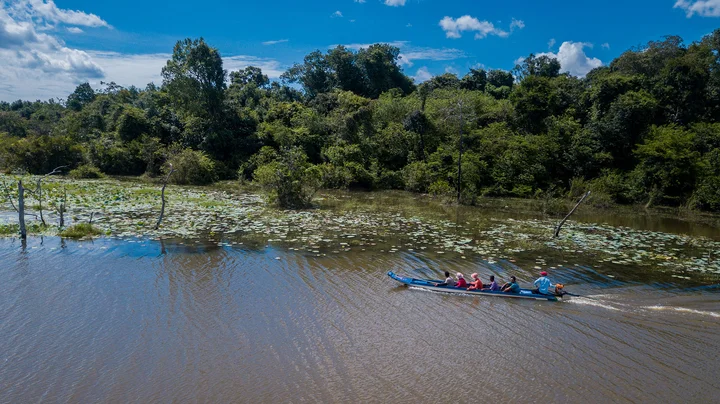
Cambodia: Community fisheries
Cambodia’s community fisheries model enables communities to take part in the sustainable management, conservation, development, and use of fisheries resources.

Cambodia: Community-protected areas
This model enables communities and indigenous ethnic minorities to manage parts of the sustainable-use or community zones of local protected areas.
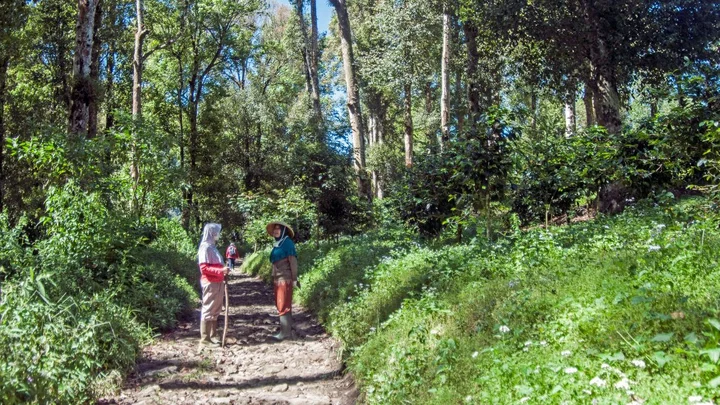
Indonesia: Village forests (hutan desa)
The village forests model of community forestry enables village-based institutions to manage and protect state forestlands that have not been assigned to other entities.

Indonesia: Community forests (hutan kemasyarakatan)
Indonesia’s community forests model enables farmer groups to manage and harvest products from selected production or protection forests.

Indonesia: Community plantation forests (hutan tanaman rakyat)
Indonesia’s community plantation forests model enables community groups to plant trees and harvest timber in an area of production forest.

Indonesia: Forestry partnerships (kemitraan kehutanan)
A forestry partnership is an agreement among parties, such as the government, the private sector, communities and other institutions, regarding the use of an area of production or protection forest.
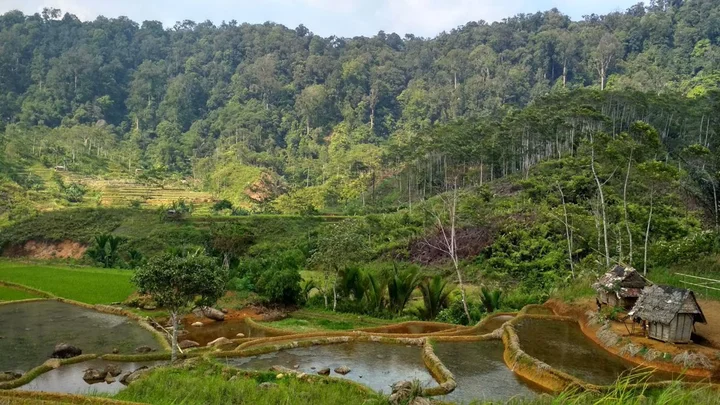
Indonesia: Customary forests (hutan adat)
Indonesia’s customary forests model formalizes the rights of traditional communities to continue to practise their customary use of forests in their territory.

Lao People’s Democratic Republic (Lao PDR)
Lao PDR: Village forestry
The village forestry model enables villages to manage and use forest and forestland that the district authority has allocated to a village authority for long-term sustainable use.

Myanmar
Myanmar: Community forestry
Community forestry in Myanmar enables communities to manage existing forests or establish new plantations.

Nepal
Nepal: Buffer zone community forests
The model aims at the conservation and sustainable use of natural resources, along with community development, in the buffer zone areas of national parks and wildlife reserves.

Nepal: Community-based conservation areas
This model aims to promote the conservation and sustainable use of natural resources along with community development.

Nepal: Community forests
Nepal’s community forest model allows communities to develop, use, conserve and manage forest areas and sell forest products.

Nepal: Partnership forests
In partnership forest management, communities, the local government and the provincial government, as represented by the Division Forest Office, jointly manage a forest area.
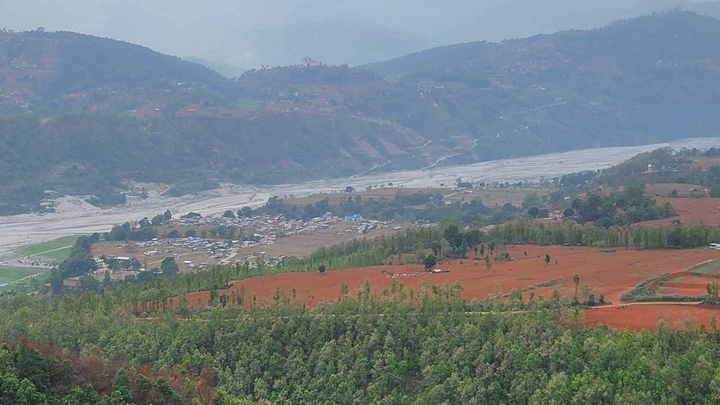
Nepal: Pro-poor leasehold forests
In this model, the government allocates an area of national forest to a group of households living below the poverty line so they can sell forest products, practise agroforestry, operate eco-tourism businesses and so on.

Thailand
Thailand: Community forestry
Thailand’s community forestry model allows communities to manage forests outside of the protected areas in cooperation with the government.
Viet Nam
Viet Nam: Community forest management
Community forest management enables communities, households or individuals to use, manage and protect areas of production forest, protection forest or special-use forest that have been allocated to them.
Viet Nam: Community-based forest management
This model enables a community, households or individuals to manage and protect a forest through a contract signed with the forest owner, such as a state forest company, or with the management board of a protection forest or a special-use forest.
Details
Geographic focus
Regional