Coffee is an important crop for smallholder farmers in Lebakmuncang, a village in Ciwidey district, Indonesia. Coffee production formally started here in 2005, with the establishment of the local Forest Village Community Institution (LMDH) in partnership with Perum Perhutani, Indonesia’s state forestry company.
In 2018, through a Recognition and Protection of Forestry Partnerships (Kulin-KK) arrangement, coffee-producing households received legal social forestry permits, further formalizing this partnership. Currently, these permits cover 1,161 hectares of state forest land managed by smallholder farmers.
The growing need for traceability
According to Lebakmuncang Village Office records, around 1,500 tonnes of coffee were produced here in 2025. This production is taking place in a context where demand for traceability data from export markets and certification schemes is growing.
Communities are increasingly being asked to provide evidence for where and how their coffee is produced. For the local cooperative, Koperasi Caringin Bumi Asih, this need became apparent in February 2026, when a potential buyer from the Middle East asked whether traceability data of their coffee products was available.
“We didn't have traceability data ready when a buyer asked for it,” says Kang Yana, the cooperative’s leader. “But it showed us exactly what buyers want, and we are now building that evidence. So that the next time someone asks, we can say that we have the data.”
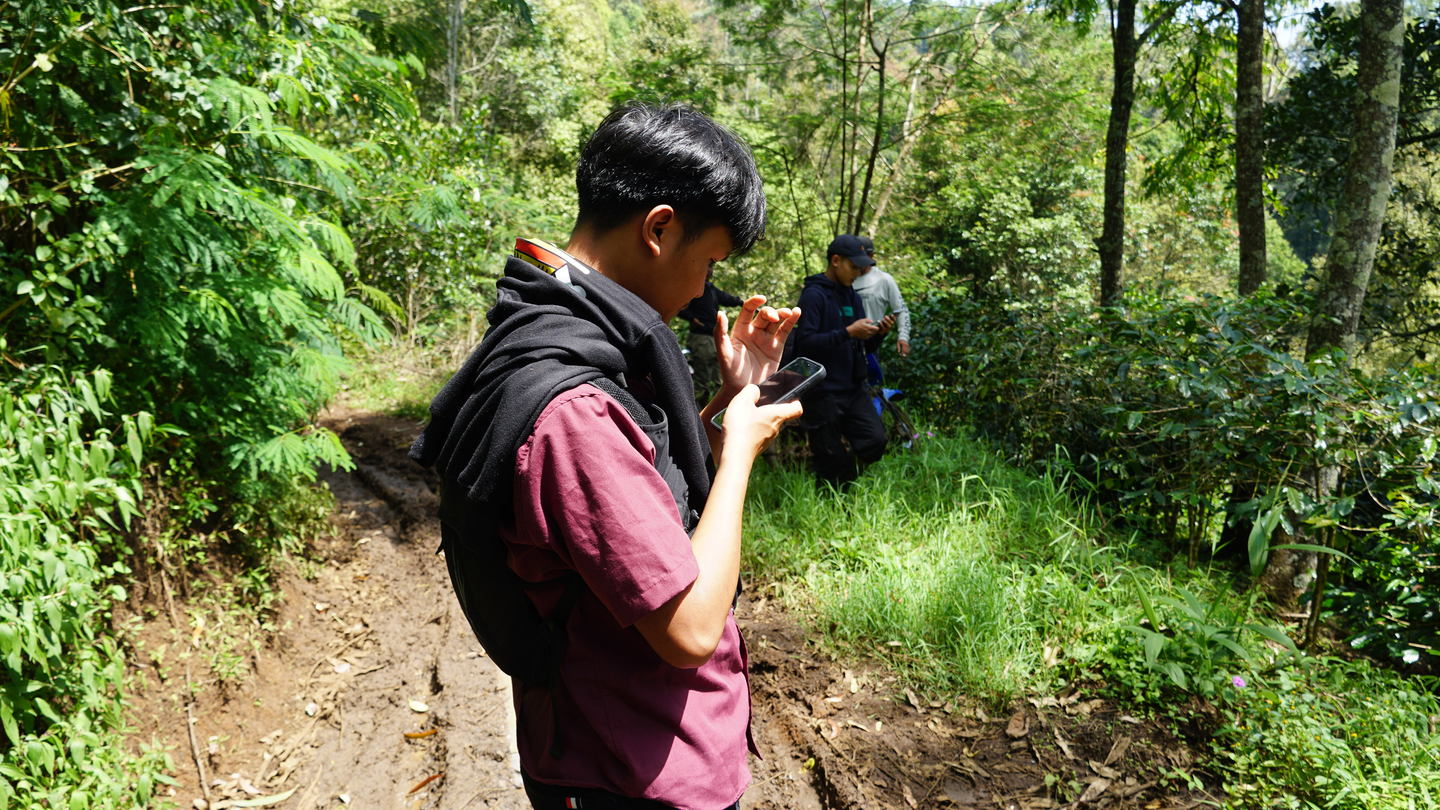
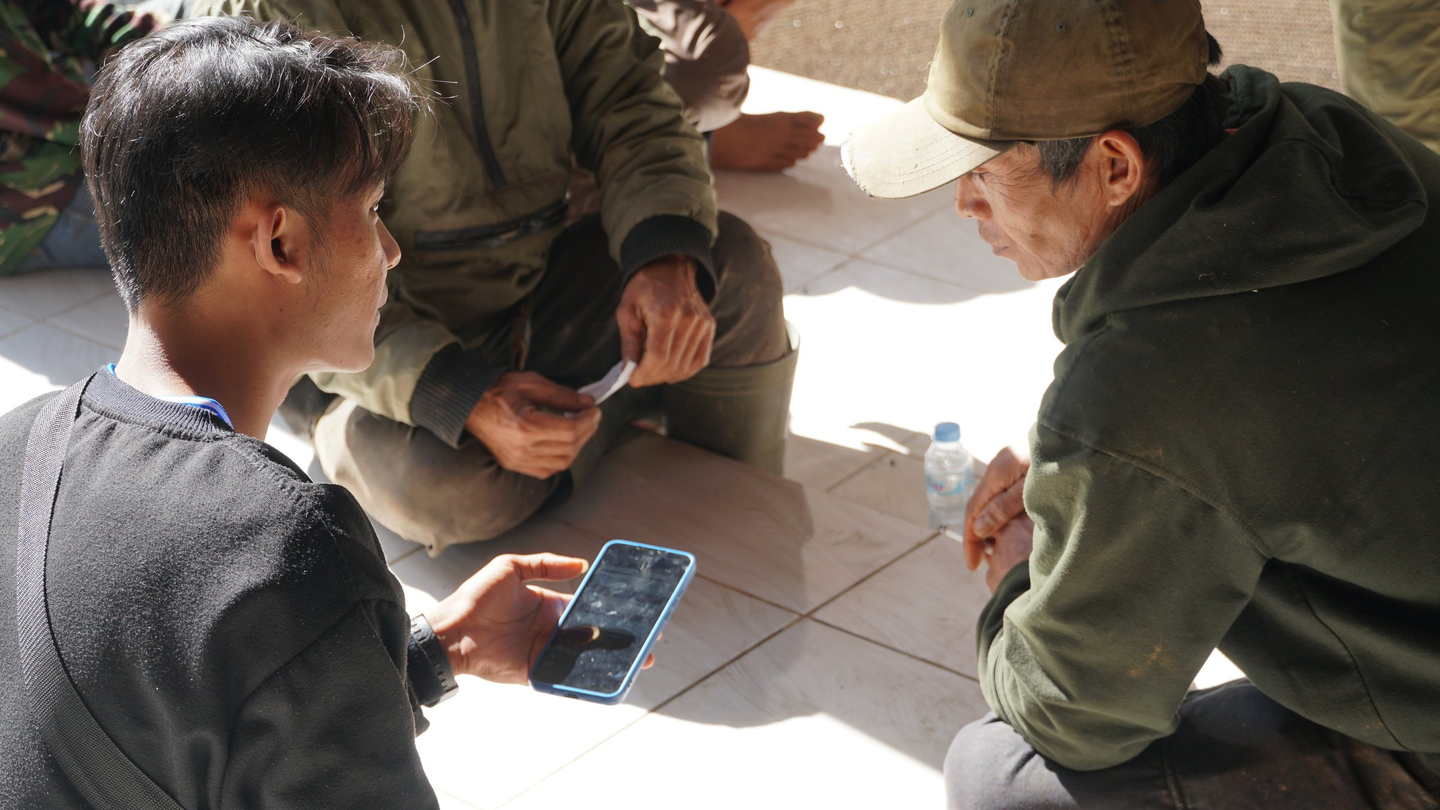
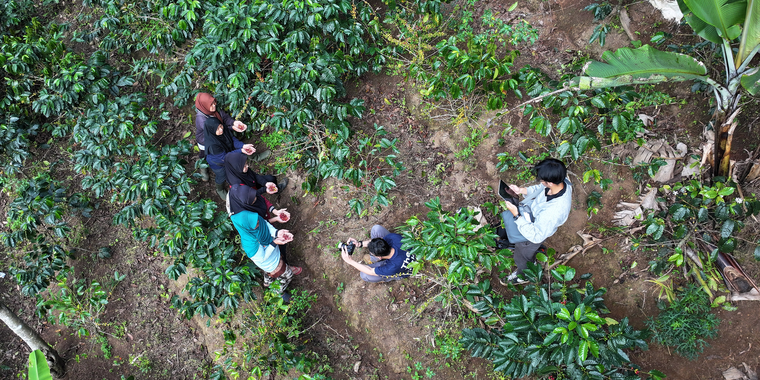
To support these efforts, RECOFTC Indonesia has introduced a community-led forest data collection approach in Ciwidey, first developed through RECOFTC’s engagement with farmers and community members in Myanmar and Viet Nam through the ‘Chain of changes’ project.