Menu
Stories
Perspectives

From plans to prosperity: Rethinking the economic role of village forests in Lao PDR

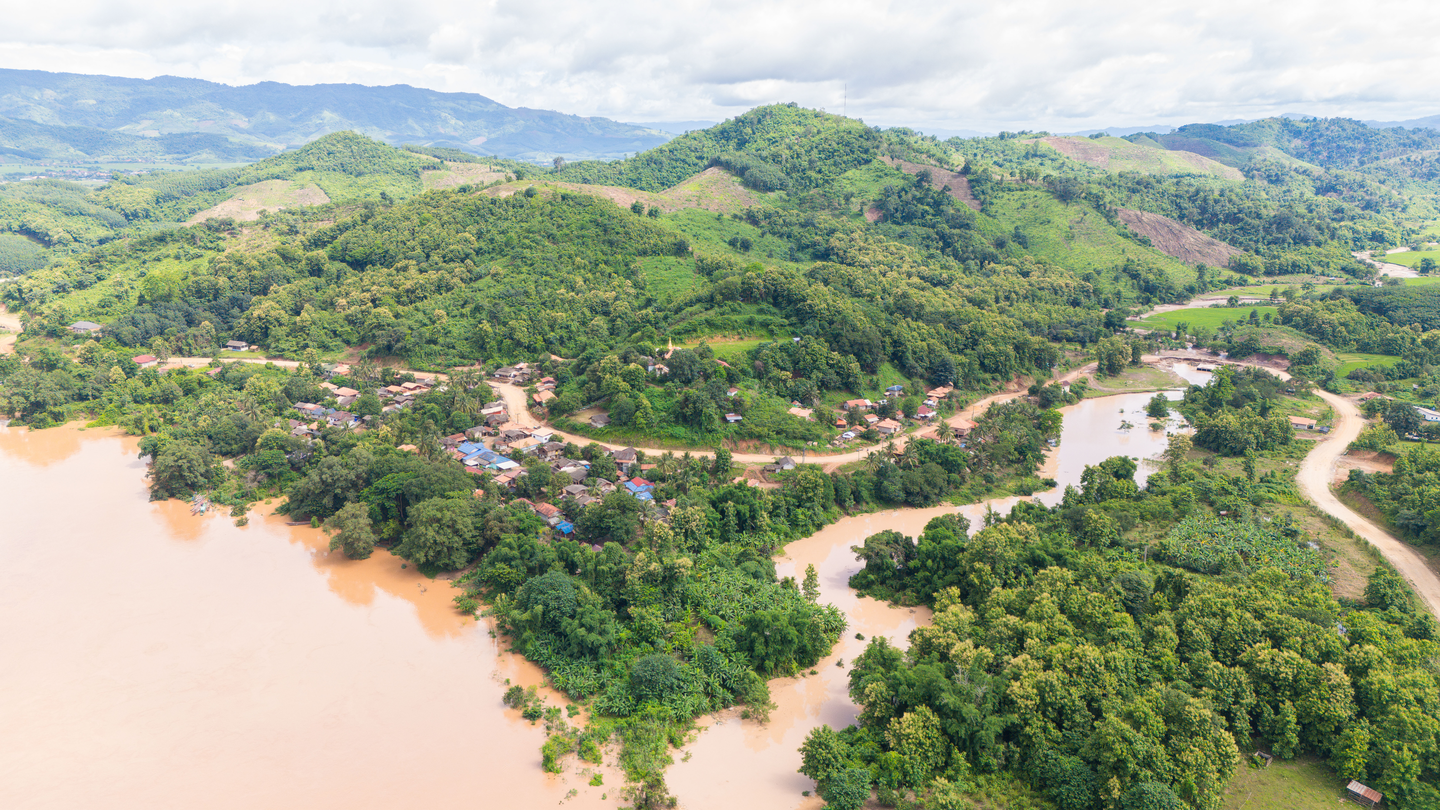
A village in Bokeo province, Lao PDR

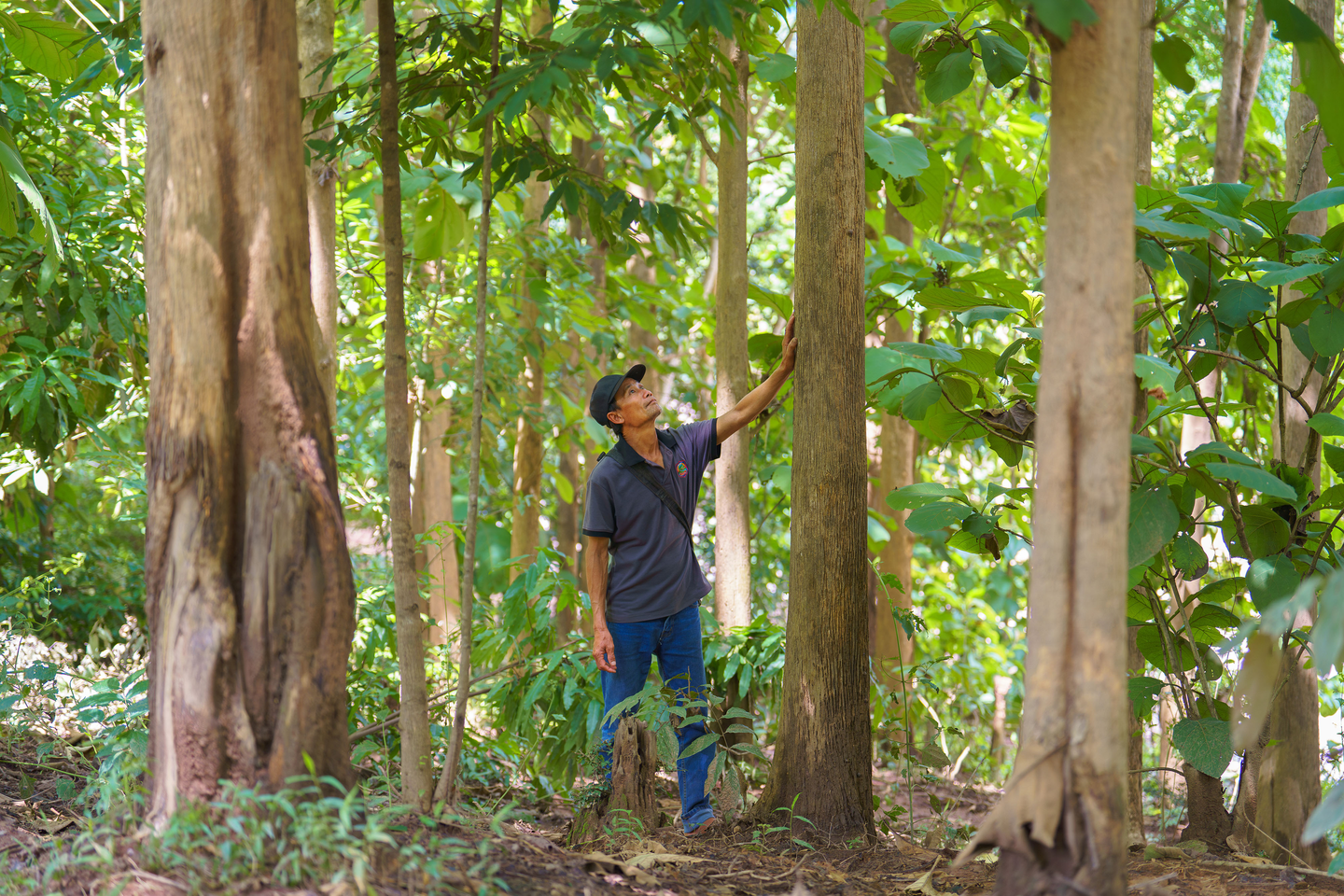
Kokluang village in Lao PDR’s Bokeo province shows what village forestry can achieve when the right conditions are in place. Its forest is not only protected but productive, generating income for local households while supporting restoration and forest protection.

It demonstrates what is possible when communities have secure tenure, market access, practical skills and a clear plan for managing, protecting and benefiting from their forest. If replicated more widely, village forestry could strengthen rural livelihoods while helping conserve forests that are vital for water security, climate resilience and biodiversity.

Yet Kokluang remains the exception rather than the rule.

As of September 2023, Lao PDR had 1,701 villages with a registered village forest management plan (VFMP). Government estimates indicate that 3,167 villages are located in forest land, meaning that nearly half still lack a VFMP. Among villages that do have these plans, many focus on forest protection and restoration, with limited attention to livelihoods or income generation. Implementation, monitoring and law enforcement are also often weak.
This matters because VFMPs are the foundation of village forestry. They outline rights and responsibilities and shape how communities value their forests. The model depends on voluntary effort. Villagers patrol forests, prevent fires, attend meetings and report encroachment, often without any compensation. If VFMPs are absent or focus soley on restrictions, village forestry can be seen as creating obligations without clear benefits.

Changing perceptions and replicating success

A village in Bokeo province, Lao PDR

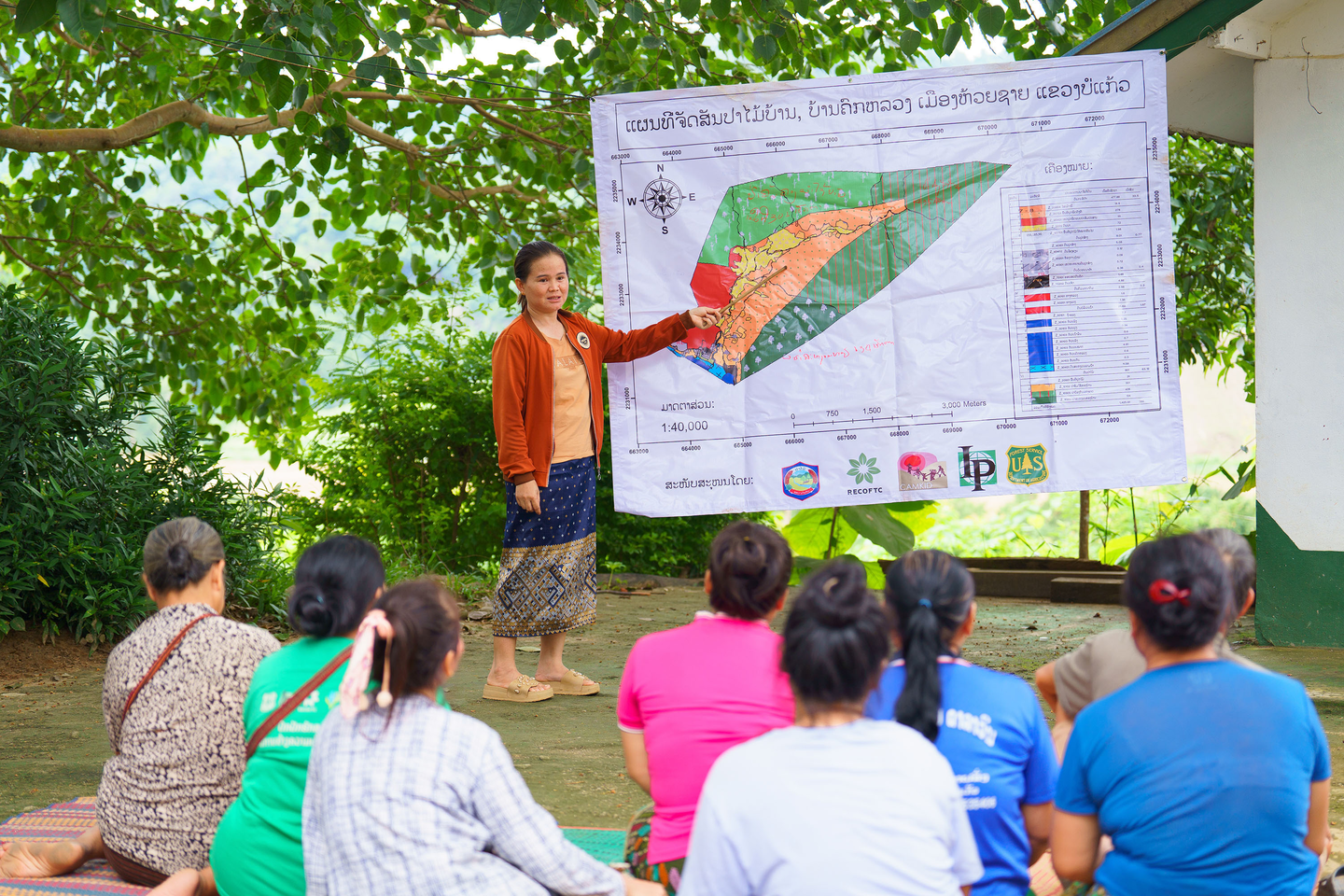
In many villages, VFMPs plans are poorly understood. Some villagers have never seen their plan. Others are aware of the restrictions it imposes but are unclear about what it enables. In most cases, VFMPs have not led to new income streams either. Timber revenues are rare and non-timber forest products provide only modest income. Promising ideas such as agroforestry or ecotourism may be mentioned in plans but not developed further.

Changing this dynamic requires more than information campaigns. Villagers need to see credible examples of village forestry delivering economic gains. Kokluang and other villages where RECOFTC works show what is possible. We need more examples of successful models of economic development through village forestry that can be shared and replicated across Lao PDR.

Envisioning and planning for economic benefits requires several elements working together. Villagers need clarity about what is possible within the legal framework. They need access to skills, markets and partners. Government agencies need the capacity to support, not just approve, economic activities. And the VFMPs themselves need to clearly describe pathways for improving livelihoods and generating income.

Village forestry in Lao PDR

At present, successful economic models in village forestry tend to remain isolated. They depend heavily on support from external projects, committed individuals and favourable local conditions. We lack mechanisms for documenting, sharing and adapting these experiences across provinces.

At the landscape scale, there is insufficient alignment among individual village forest management plans and between these plans and other projects and initiatives. Without a stronger emphasis on learning, coordination and replication, village forestry risks remaining a patchwork of success stories rather than a scalable development pathway.

Governance, participation and ownership

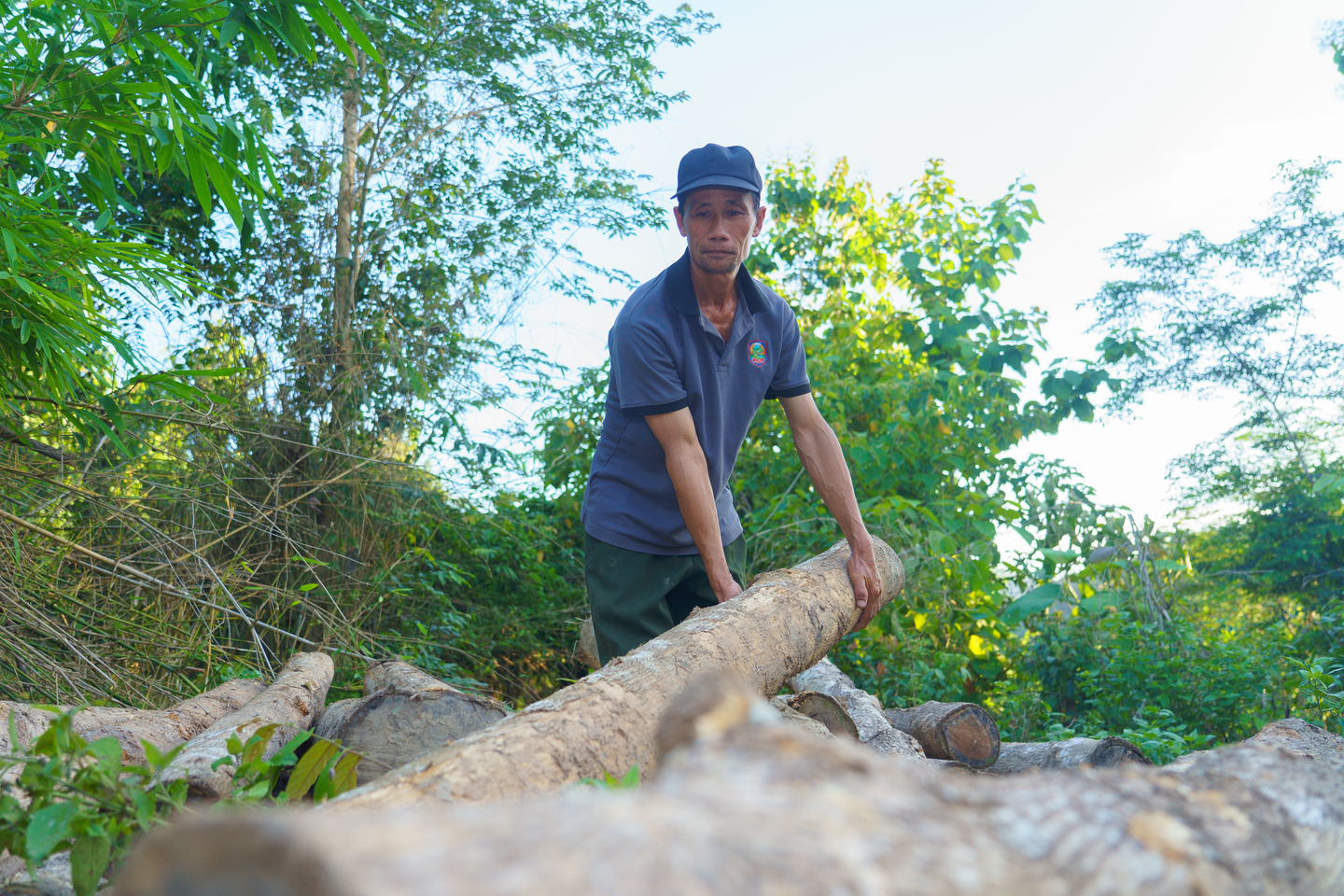
Economic outcomes are tied to governance. When VFMPs are developed and implemented through inclusive processes, communities are more likely to feel ownership over both the forest and the plan. In Kokluang, women and men participate actively in decision-making, and this is reflected in diversified livelihoods strategies, including bamboo handicrafts, agroforestry and teak processing.

Community memebers in Bokeo province, Lao PDR

Elsewhere, village forest management committees are often dominated by a small group, frequently older men. Women and youth are underrepresented. This affects priorities, benefit-sharing arrangements and community engagement in village forestry more broadly. Youth engagement is a special concern as it is essential for sustainability. This should be a key consideration of any effort to improve the economic outcomes of village forestry.

At the same time, local government plays a critical role. As the experience of Kokluang shows, constructive relationships, including joint patrols and regular communication, build trust and reduce conflict. But many district and provincial offices lack the staff, budget and continuity needed to provide consistent support. Forestry officials are responsible for dozens of villages, making sustained engagement difficult.

Tenure security is another essential element. Village forests are granted tenure for 50 years, and this can be renewed. As formal land titling remains rare in rural areas, VFMPs function as the most widely recognized proof of community forest rights. While a VFMP alone is no guarantee of economic success, villagers who do not have one may hesitate to invest time and resources in activities such as tree planting or agroforestry, whose benefits depend on long-term access.

What is at stake

If village forestry fails to deliver economic benefits, the risk is not only stagnation. Over time, disengagement could lead to declining forest protection and increased pressure on forest land. But if VFMPs evolve into documents that are understood by villagers, grounded in realistic economic opportunities and supported by capable institutions and sustainable investment, the potential is enormous.

Village forestry in Lao PDR

Village forestry could then support rural livelihoods while safeguarding forests that are critical for climate resilience, water regulation and biodiversity. It could also strengthen Lao PDR’s contribution to global commitments, including the Paris Agreement, the Global Biodiversity Framework and the Sustainable Development Goals.

Achieving this will require addressing a set of interconnected challenges. Weak awareness undermines ownership. Limited tenure security discourages long-term investment. Capacity gaps constrain implementation. And poor monitoring makes it harder to learn from and replicate success. These constraints reinforce one another and cannot be addressed in isolation.

Kokluang stands out because several of these elements have come together. Its experience suggests that village forestry works best when the right conditions align, not through a single intervention, but through a combination of factors working to support one another.

###

Chaipheth Phommachanh is country director of RECOFTC Lao PDR.

Story details

Geographic focus
Lao PDR