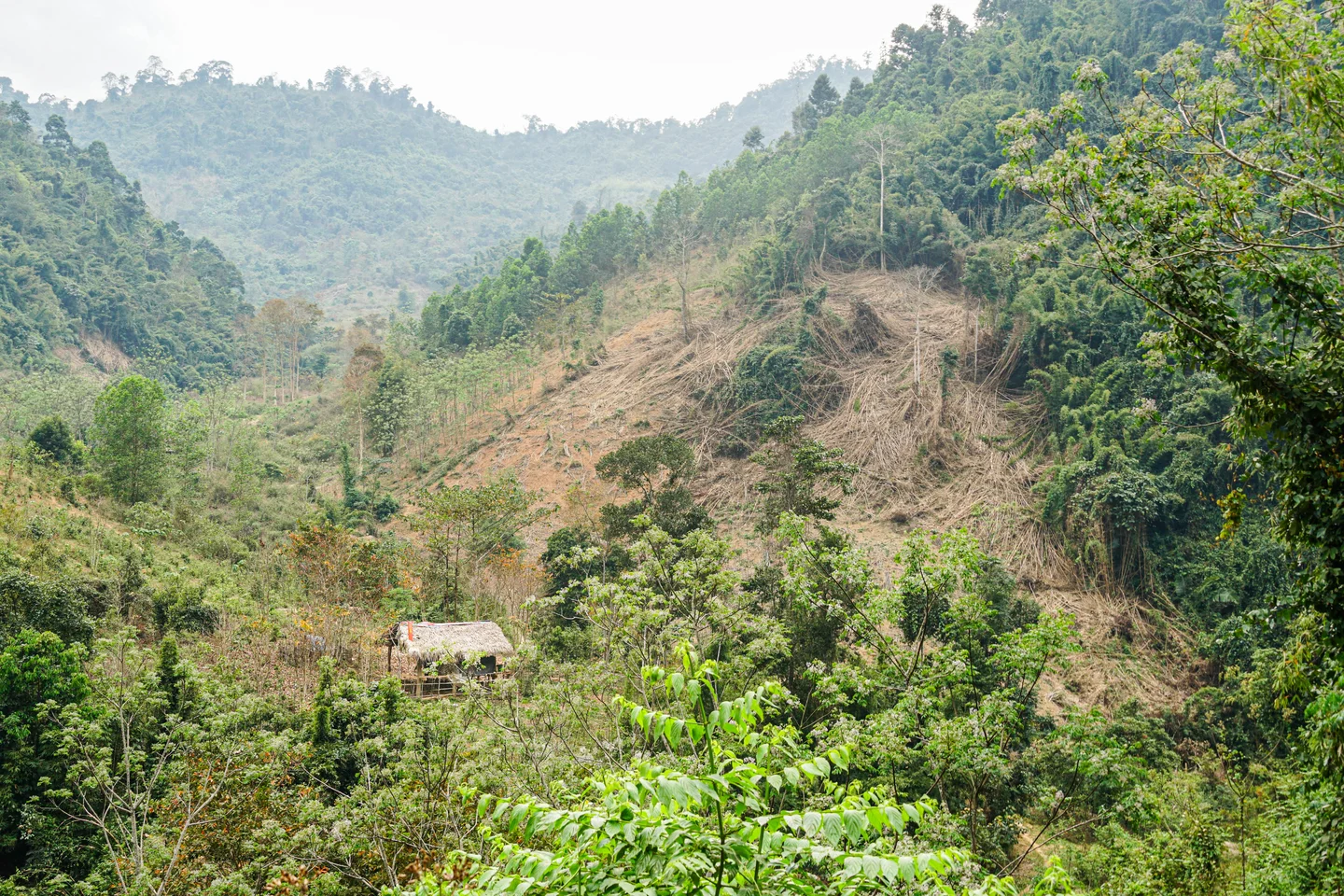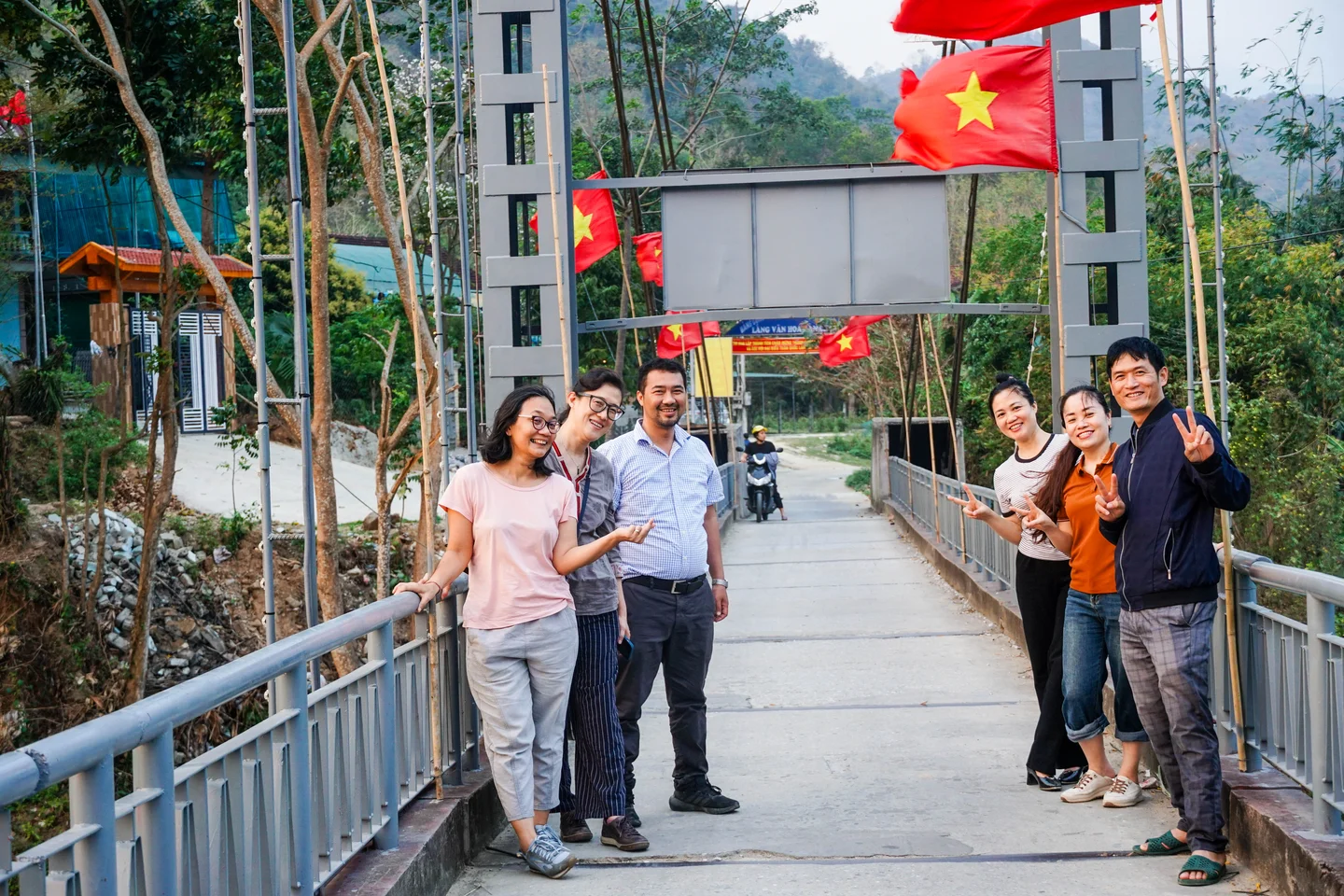

Phong village, a mountainous forest-fringed settlement, is nestled at the buffer zone area of Pu Mat National Park in Nghe An province, Viet Nam. It is home to roughly 700 residents, most of whom are from the Tay Poong ethnic group. Close to 90 per cent of the village, which spans around 7,000 hectares, is covered in natural forest.
Along with the larger Tam Hop commune in which it is located, Phong village is considered one of Viet Nam's more socio-economically disadvantaged areas. Over half of its households are officially classified as poor. The increasingly fragile economic backbone of the community is built on agriculture and forest-based livelihoods.
Degraded soils, steep terrain and erratic weather patterns make farming uncertain and labour intensive here. The challenge is compounded by outmigration as most men of working age have migrated. Those who remain are seasonal migrants seeking factory or construction work in nearby towns and cities. It is mainly women, elders and children who sustain the land, homes and communal life.
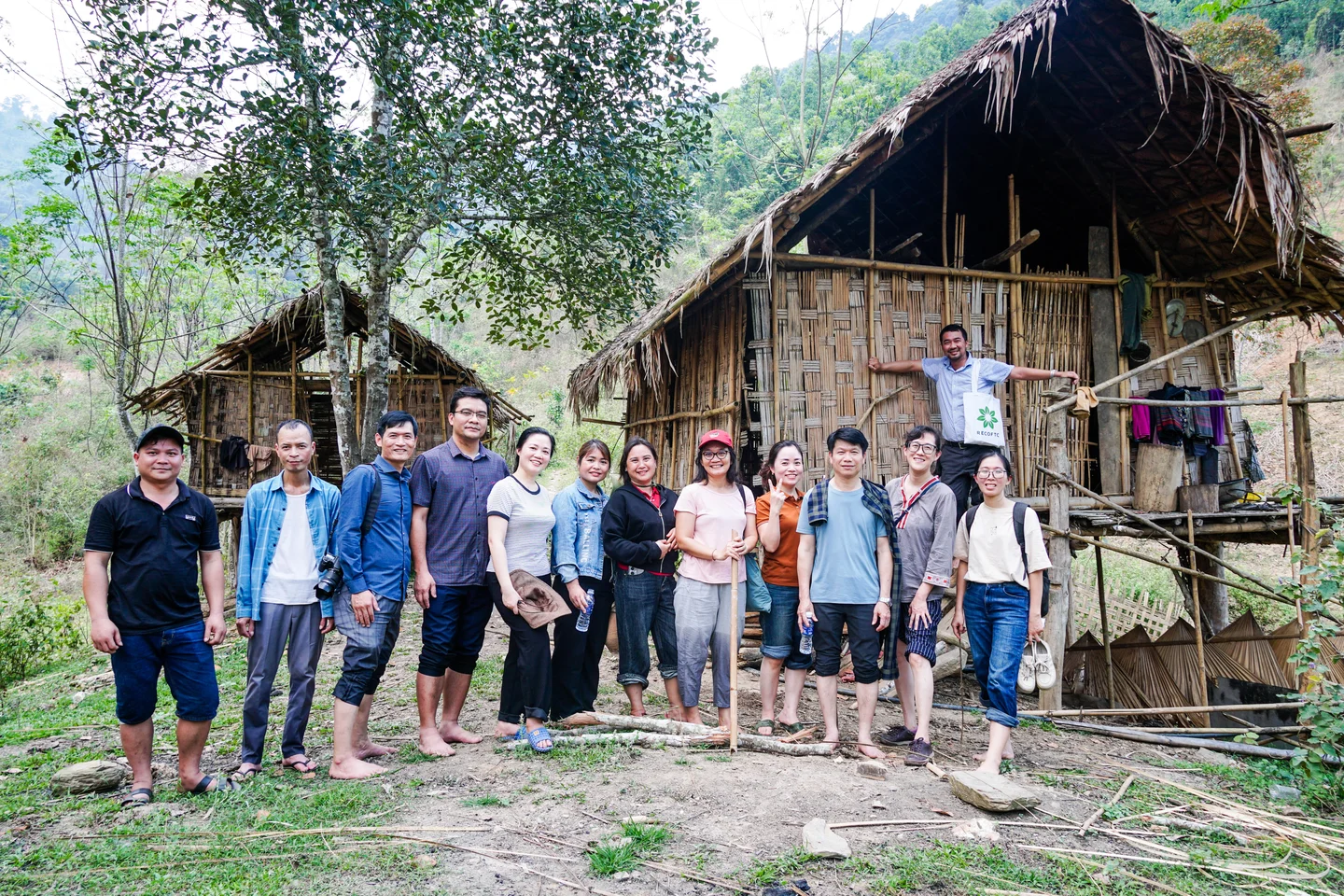
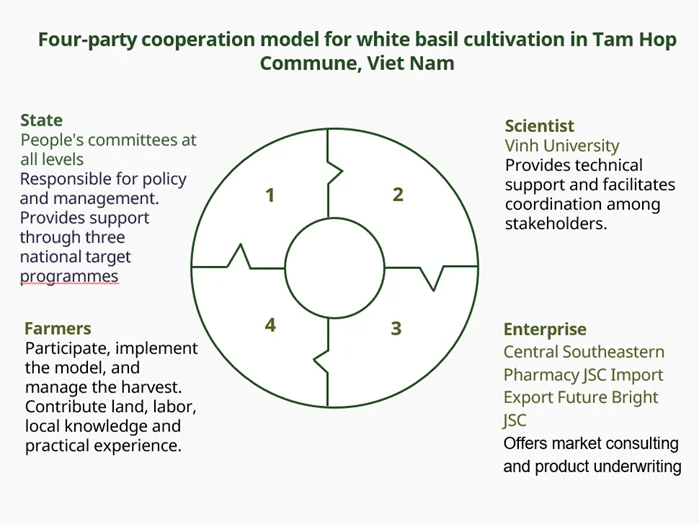
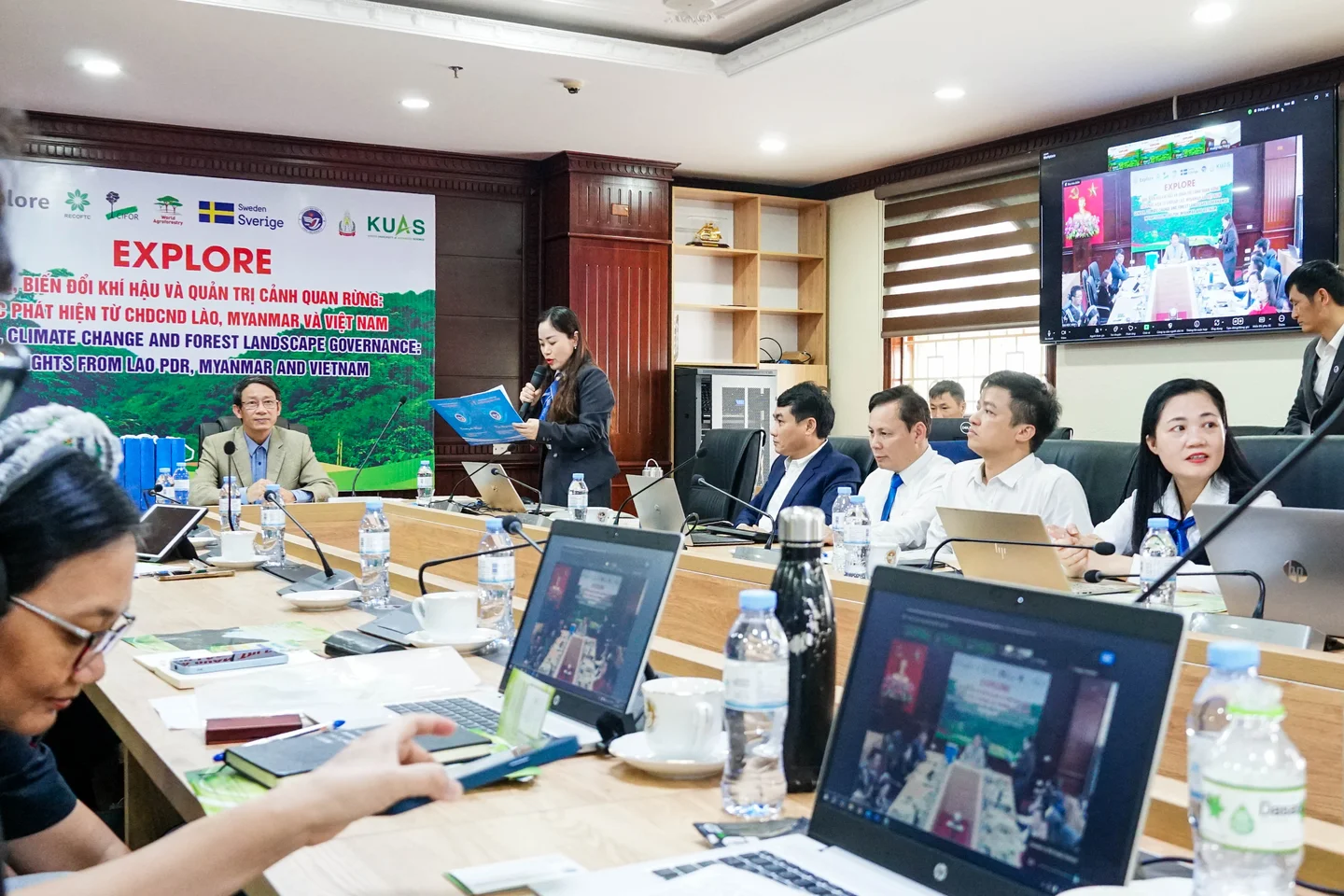
In March 2025, an Explore grant monitoring team visited the village. A team from Vinh University, which lies 190-kilometres northeast of the village, is conducting research here. The grant monitoring team included research team members, RECOFTC and CIFOR-ICRAF staff, officials from the Department of Agriculture and Rural Development and representatives of local women's unions.