Menu
Stories
Talk of the forest

A regional strategy for Asia’s Model Forest landscapes

As Secretariat of the Regional Model Forest Network–Asia, RECOFTC led the development of the network’s 2025–2030 strategic plan. This plan was formally approved at the annual advisory meeting in Bohol, Philippines, in March 2025.
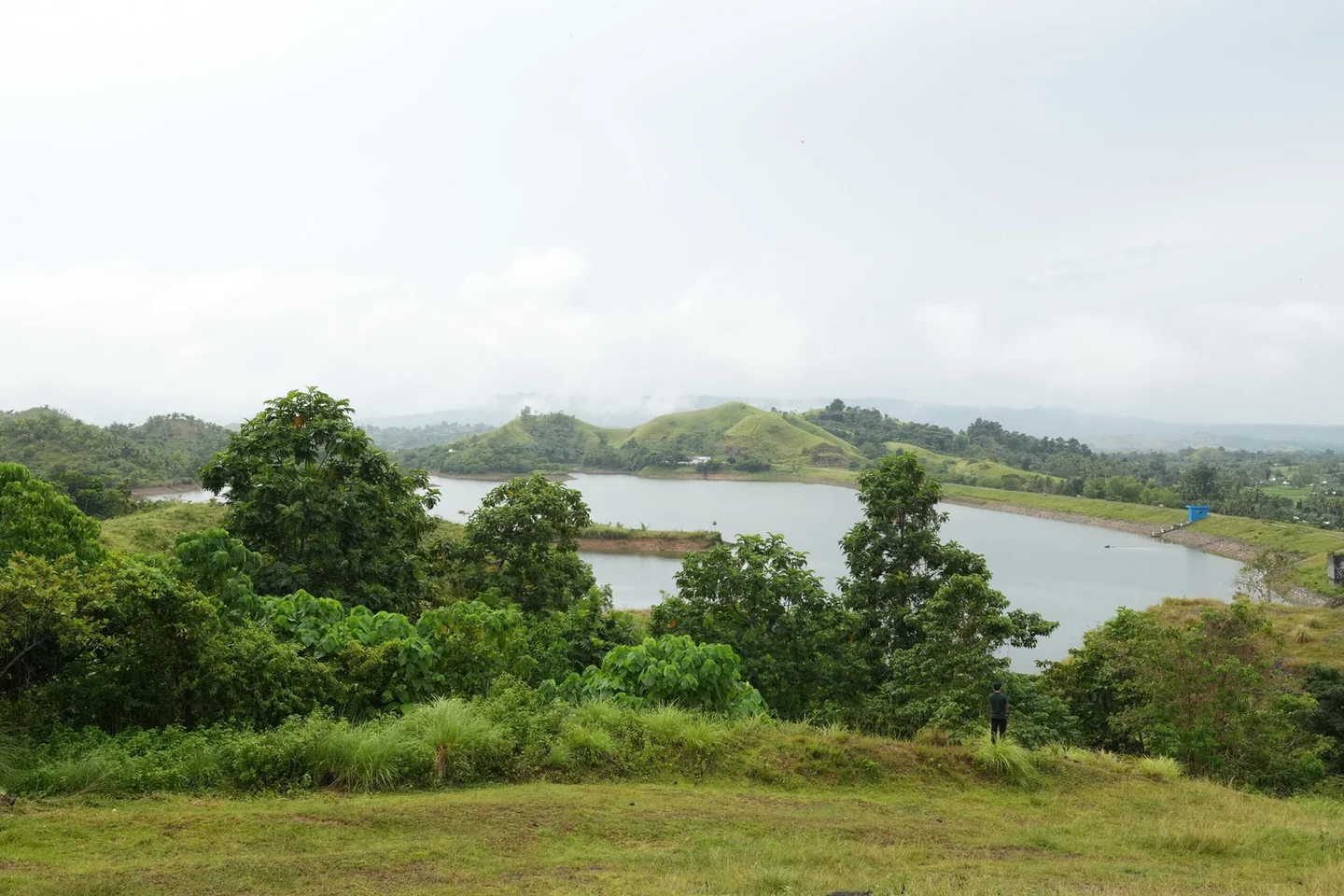
The Carood watershed in Bohol, Philippines, spans 101,887 hectares of diverse land uses, ranging from coastal mangroves to agricultural land.

Model Forests bring together diverse stakeholders to address challenges in forest conservation, economic development and community well-being. Under the new strategy, RMFN–Asia will focus on climate resilience, forest restoration, livelihoods, social inclusion and sustainable finance. “The plan will strengthen our Model Forests,” says Julian Atkinson, Regional Project Manager for RMFN–Asia. “It will help us identify new approaches to forest landscape management that can be scaled up and applied elsewhere.”

The 2025–2030 strategy was developed through a consultative process and was endorsed by network members during the RMFN–Asia advisory meeting, held at the Carood Watershed Model Forest from 24 February to 1 March 2025.
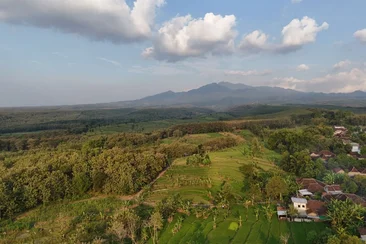
Margowitan_Model_Forest
Promoted
RMFN-Asia strategic plan 2025–2030

Discover how RMFN–Asia helps shape resilient forest landscapes that support both people and the planet.

A milestone meeting and a plan of action

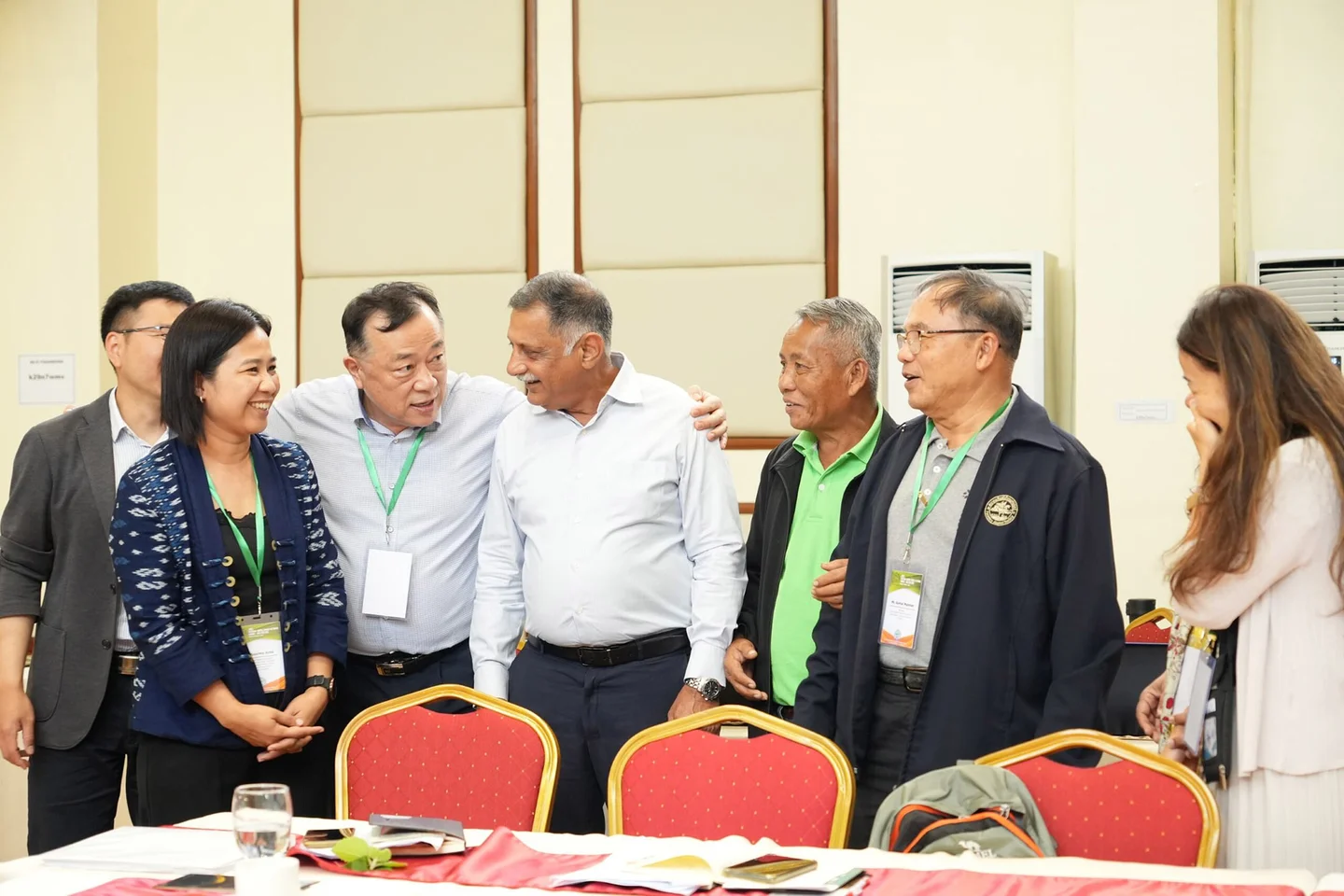
Asian Model Forest members and partners during an interactive session at the 2025 advisory meeting in Bohol, the Philippines.

The 2025 advisory meeting in Bohol brought together 64 participants from eight Model Forests across China, India, Indonesia, Japan, Philippines and Thailand. Members recognized the strategic plan as a valuable guide for prioritizing sustainable forest landscape management over the next five years.

Participants shared best practices, lessons learned and areas for improvement. They emphasized the importance of in-person meetings for fostering collaboration and collective problem-solving. “There is great significance in coming together in person – sharing knowledge and lessons learned about landscape complexities and collaborative action,” said Richard Verbisky, Head of the International Model Forest Network Secretariat.

Preecha Ongprasert, Director of Forestry Foreign Affairs at Thailand's Royal Forest Department and Chair of RMFN–Asia, highlighted the network’s achievements in ecosystem health, local economic resilience and stakeholder well-being. He looks forward to sharing these innovations at the International Model Forest Network Global Forum in Canada in May 2025.

The Carood Watershed Model Forest

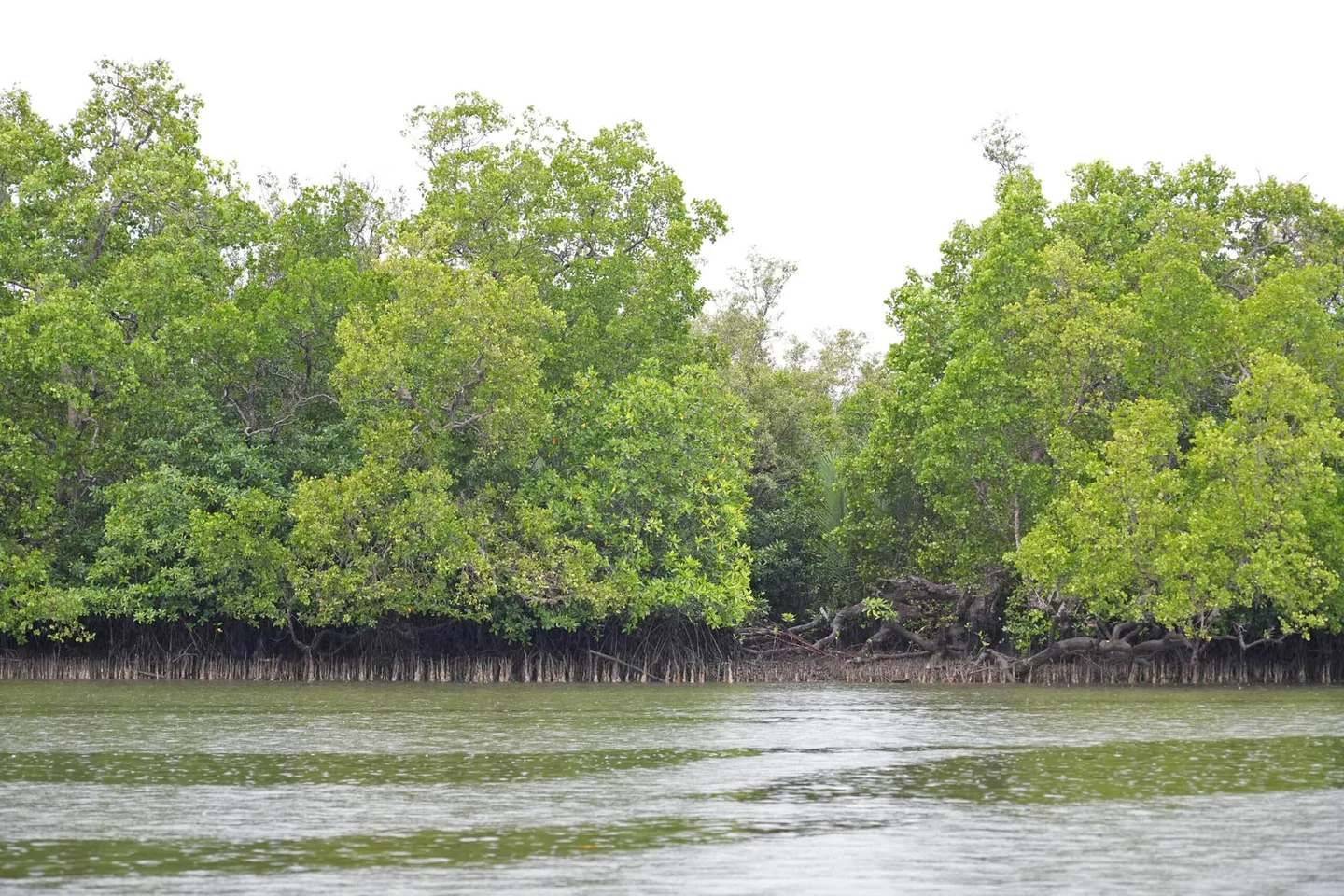
A mangrove forest in Cogtong Bay, near the mouth of the Carood River.

During the meeting, participants visited the Carood Watershed Model Forest, which uses a ridge-to-reef approach to watershed management. This approach balances environmental conservation with the needs of local communities.

The Carood Model Forest includes 837 hectares of mangrove forests, home to 33 of the world’s 80 mangrove species. These forests prevent coastal erosion, serve as fish spawning grounds and support local livelihoods through eco-tourism.

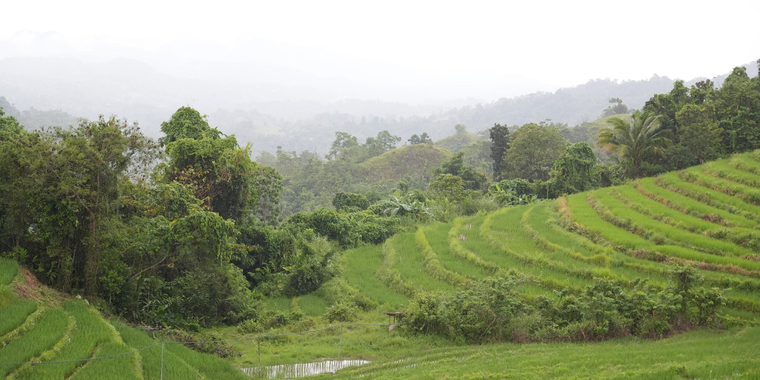
In the upland areas, stakeholders, including farmers’ associations, government agencies, research institutions and local municipalities, are restoring forests, protecting against wildfires and promoting sustainable agriculture.

Archana Chatterjee, from India’s Balkhila Model Forest and IUCN India, noted that the visit showed the positive impact of community-government partnerships.

The ridge area of the Carood Watershed Model Forest, restored by local communities and partners.

A shared commitment to forests

As the meeting concluded, participants looked forward to sharing their progress at international events such as the IMFN Global Forum and Asia-Pacific Forestry Week. “I was struck by the passion and resourcefulness of our Model Forests,” said Hiroko Tanaka, Project Manager at the Kyoto Model Forest Association. “Although our situations vary, we are united by ‘forest’ as our common language.”

The RMFN–Asia advisory meeting was co-organized by RECOFTC, the Forest Management Bureau of the Department of Environment and Natural Resources (DENR), DENR–Region 7, the Carood Watershed Model Forest Management Council and local stakeholders.

###

The Regional Model Forest Network–Asia is supported by the Global Leadership Program under the Department of Natural Resources, Government of Canada. RECOFTC is the Secretariat of RMFN–Asia.

Chertalay Suwanpanich is a communication and knowledge management officer at RECOFTC.

Story details

Thematic area
Climate change
Economic benefits for communities
Gender equality and social inclusion
Governance and rights
Geographic focus
Regional