Menu
In focus

Weaving threads of transformation: Our experience implementing the Waves programme

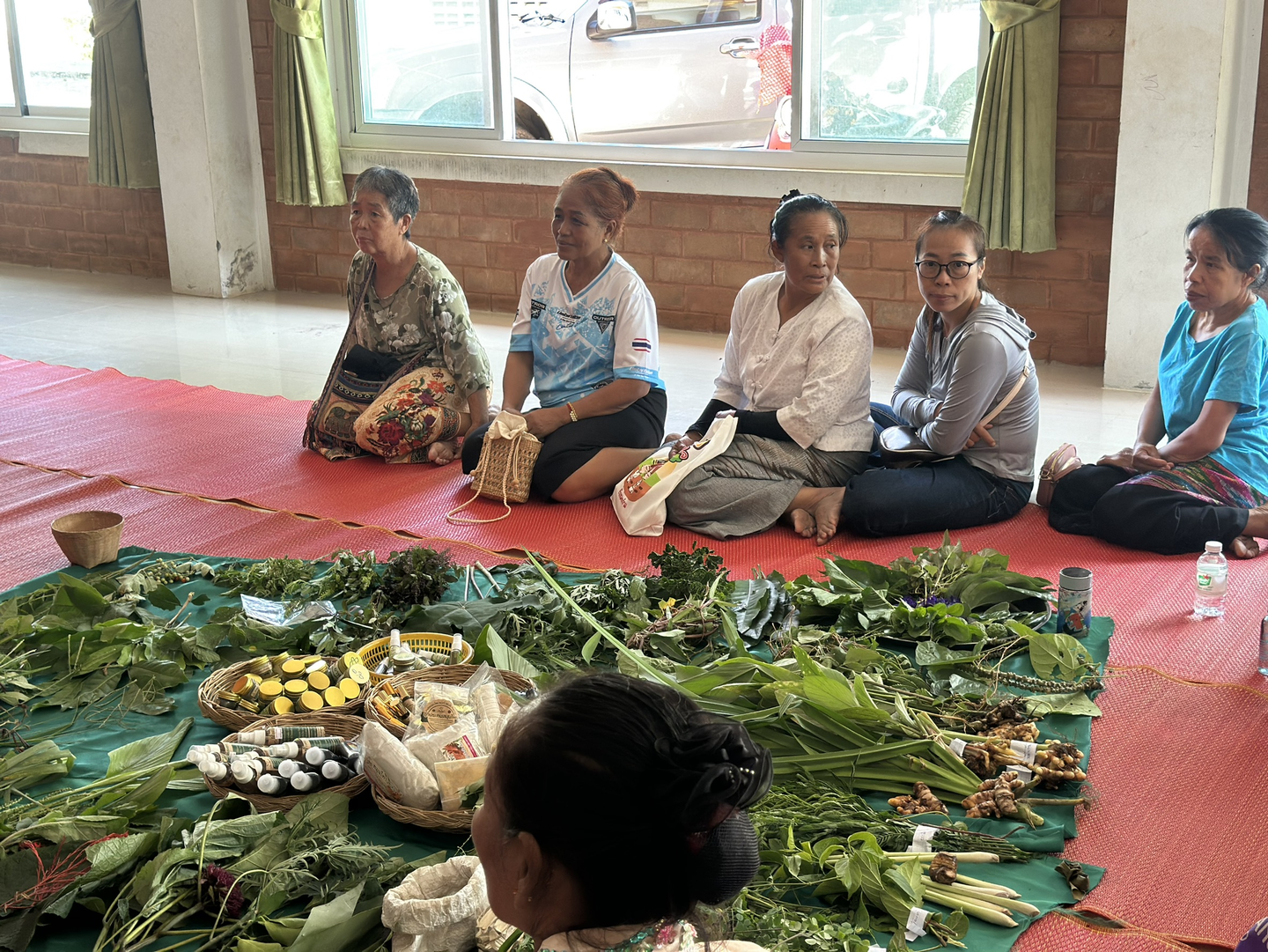
A forest bathing activity organized by Wild Women Circle in Thailand.

From September 2024 to November 2025, we witnessed the journeys of 21 Waves participants as they took crucial steps towards becoming gender leaders. Over this period, they demonstrated what it means to lead with purpose, to challenge existing gender norms and weave leadership into the heart of natural resource governance.

As a long-term capacity building programme for gender equality in climate change and natural resource governance, Waves provides space to interact and engage with a wide spectrum of gender equality and social inclusion (GESI) projects. The participants who graduated in November 2025 worked in grassroots organizations, academia, the government and private sectors across nine countries in South and Southeast Asia – Cambodia, India, Indonesia, Lao PDR, Nepal, Malaysia, Myanmar, Thailand and Viet Nam.

Their Waves journey began with a startup workshop in September 2024. Held in Bangkok over three days, the event introduced GESI concepts and its integration into the climate change–natural resource governance nexus. This was followed by a five-day mid-term workshop in Nepal in February 2025, which provided space for deep reflection and learning about GESI tools and their implementation. Participants also finalized their change projects during the workshop, sharing their journey reflections and consolidating their growth and achievements.

Following the two in-person workshops, monthly online modules and coaching sessions ensured that participants continued to be mentored and connected with one another and with RECOFTC. In November 2025, our 21 participants officially graduated as they gathered together for a final in-person workshop at the RECOFTC headquarters in Bangkok, Thailand.

Implementation of change projects has been key to translating knowledge into practice for our gender leaders. Through their projects, they have examined power, identity and their own leadership practices while also enhancing their technical competencies.

As facilitators of Waves, we have seen that, in many instances, urban youth and women are detached from forests and forestry initiatives. However, many of the participants’ change projects showed that it is possible to bring positive change across the GESI spectrum in the forestry sector.
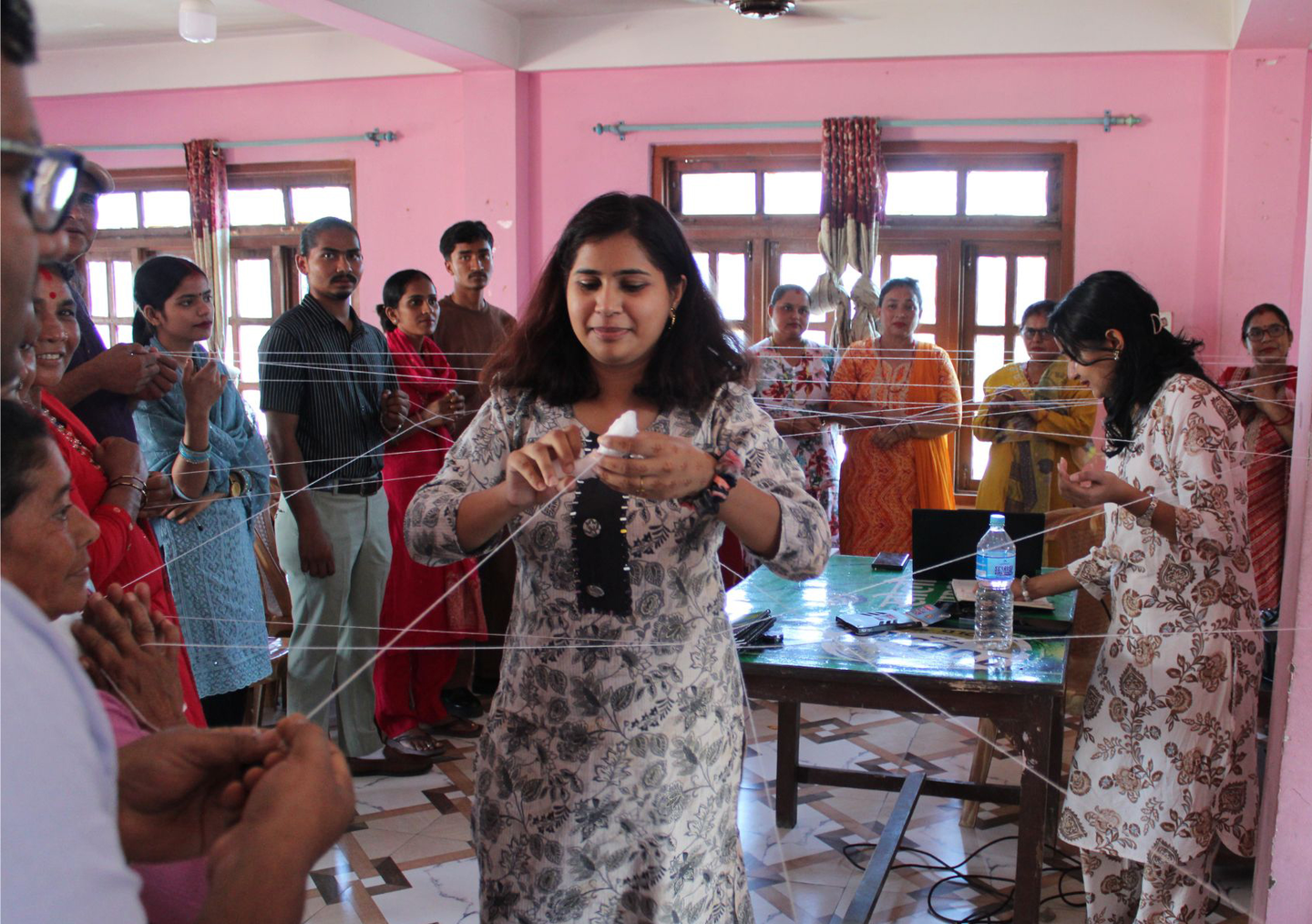
A hands-on exercise conducted with community members in Nepal to illustrate the concept of resource webs.

Centring women and young people

Waves graduate Sirikun Loetsakwiman initiated a ‘wild women circle’ in Thailand, bringing young women together in forest bathing groups, policy circles and community empowerment initiatives. In Nepal, Karuna Karki and Sirjana Adhikari jointly implemented a mini-Waves programme targeted at government officials. This change project focused on strengthening government officials’ understanding of the cultural implications of their decisions, inspiring reflection on how gender inequality is embedded into workplace norms, participation patterns and leadership opportunities.

In Viet Nam, Bùi Phương Anh organized a youth forum with around 100 high school students participating in an awareness campaign for enhancing climate resilience. In Myanmar, Khine Thazin Wai’s change project helped empower young women leaders not just as participants but as essential actors in sustainable and just climate solutions. Wai helped capacitate 30 women in youth leadership and community engagement. Binit Bhusal and Sirjana Adhikari from Nepal capacitated the local government officials and forestry officials in Nepal on gender responsive budgeting. Similarly, Siti Marfu'ah from Indonesia is capacitating and advocating for gender responsive budgeting.

Youth were engaged in forest conservation and gender responsive ecotourism aiming to reduce out-migration in India, with Manpreet Kaur leading this initiative. In Indonesia, Anastasia Ramalo’s change project focused on using writing and photography to amplify women and youth voices in forest governance. Amalia Rizkyarini, also from Indonesia, looked at climate change impacts and increasing incidences of gender-based violence and women’s health. Rizkyarini used social media to raise awareness of gender-based violence and climate change connections. Deepthi Dechamma from India linked women’s health to overall women’s development.

Focus on livelihoods

Other change projects focused on livelihood improvement and economic empowerment. In Lao PDR, Alina Oupravanh implemented a waste upcycling and eco-products development project. Two separate change projects in Nepal – implemented by Reetu Deuba and Tanoj Dulal – focused on empowering women through agroforestry initiatives to develop entrepreneurship, supporting women with skills, knowledge and gender-friendly technology. 

Another project focused on ensuring the recognition of Indigenous women’s knowledge and their participation. In Peninsular Malaysia, Nur Bahar looked at the Orang Asli Indigenous community’s knowledge and wisdom in reforestation. She explored the role they might play in facilitating supply chains to provide an alternative livelihood via nursery and tree planting and management.

Similarly, Manpreet Kaur from India capacitated youths and women in Balkhila Model Forest to diversify millet food products as means of economic empowerment. This change project linked women’s health and nutrition to climate change, looking at how agriculture and forests can play a role in ensuring women’s empowerment, healthy families and resilient communities.

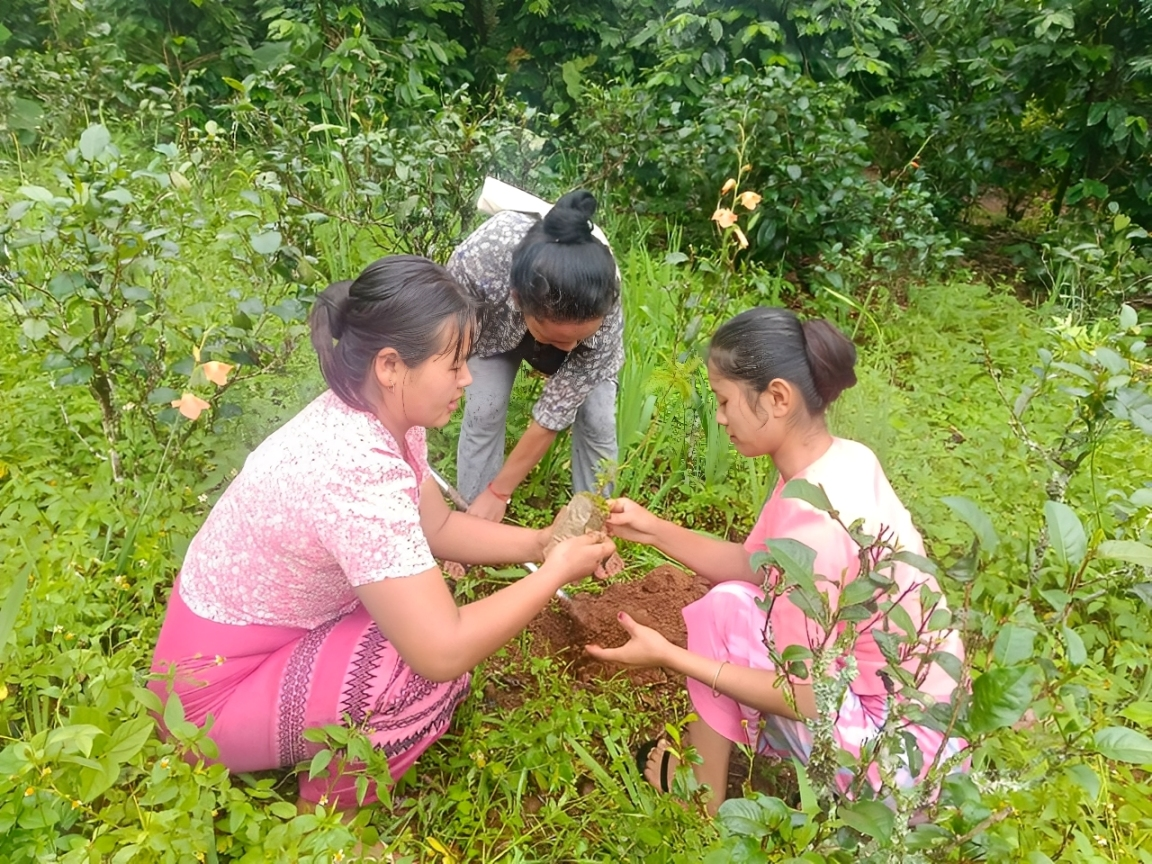
Women in Ywangan, southern Shan State, Myanmar participate in a plantation activity.

GESI research and action

There were also a number of research-focused change projects. Yulia Zahro from Indonesia conducted a GESI analysis that looked at how gender transformation impacts traditional subsistence farming ‘pampa’ plantations managed by the Kulawi tribe. Usha Thankuri from Nepal conducted a risk assessment to formulate a gender-responsive climate change adaptation plan.

In Cambodia, a change project by Phat Lida focused on community fishery management, recognizing the role women play in post-harvesting procedures and inclusive decision making. She is also leading the formulation of a GESI strategy at her institution. Also working on a GESI strategy is Siti Marfu'ah from Indonesia, whose change project focuses on enhancing solidarity between rural and urban youth through online capacity building on gender and the climate crisis.

Two projects in Nepal, undertaken by Prabina Bhandari and Gauri Jaiswal, took a broader approach to strengthening Indigenous and rural women’s leadership and participation in community ecosystem management for gender equality and climate-resilient development.

These projects highlight that inclusion is not automatic and that leadership pathways for women must be tailored, resourced and supported. During their implementation, we were impressed by how effectively our gender champions translated theory into action, showing how gender equality and climate resilience can be woven into diverse sectors and contexts.

Women coming together to discuss how to protect their river, families, and communities from water contamination.

Behavioural change for transformation

Apart from witnessing and supporting the implementation of their change projects, we also observed the behavioural transformation of our participants as they bloomed into gender leaders. They strengthened their individual leadership plans while navigating institutional barriers and influencing change within their teams and communities.

Alumni have shared that they observed changes within themselves and their approaches to leadership, specifically a change in focus from activities to addressing deeper power relations and seeing themselves as potential agents of change.

We truly value the energy and dedication our Waves gender leaders have put into their projects. We believe they will continue to be at the forefront of transforming their communities, institutions and policies to advocate for equity and inclusion.

Still, even as these change projects show that training can transform participants’ confidence and skills, long-term efforts are needed to shift formal regulation and decision-making structures. Community empowerment and institutional change move along different timelines, and continuous efforts are required for transformative changes.

###

Srijana Baral is programme lead for gender equality and social inclusion at RECOFTC.

Korranat (Wad) Buranakij is programme officer for gender equality and social inclusion at RECOFTC.

Waves is RECOFTC’s flagship capacity-building programme on gender equality and social inclusion in the Asia-Pacific region.

Story details

Thematic area
Gender equality and social inclusion
Geographic focus
Regional