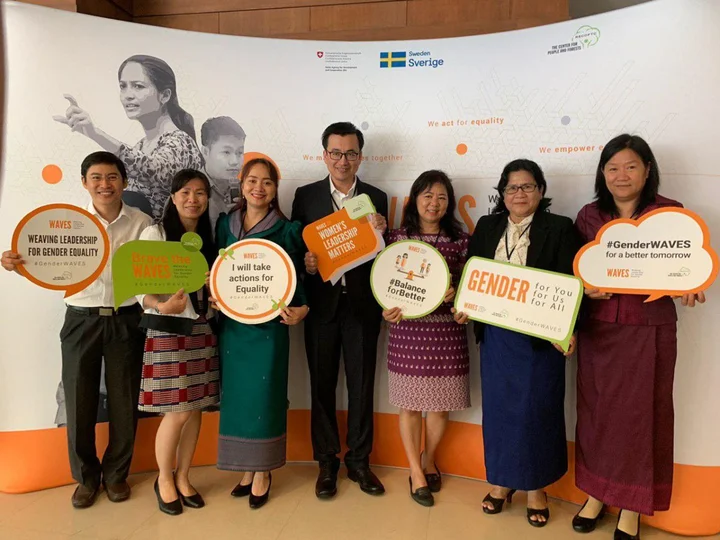
Gender leaders in Cambodia are working to mainstream gender equality in the forestry sector.
Forestry is associated with labour-intensive work. Timber harvesting, forest patrolling and fire protection take time and effort. In Cambodia, this is one of the main reasons women are not encouraged to participate in this sector. Even male family’s members won’t invite their female family members to be part of the discussion. This causes many women to believe their opinions are not valued.
RECOFTC alumni forge the path to community forestry
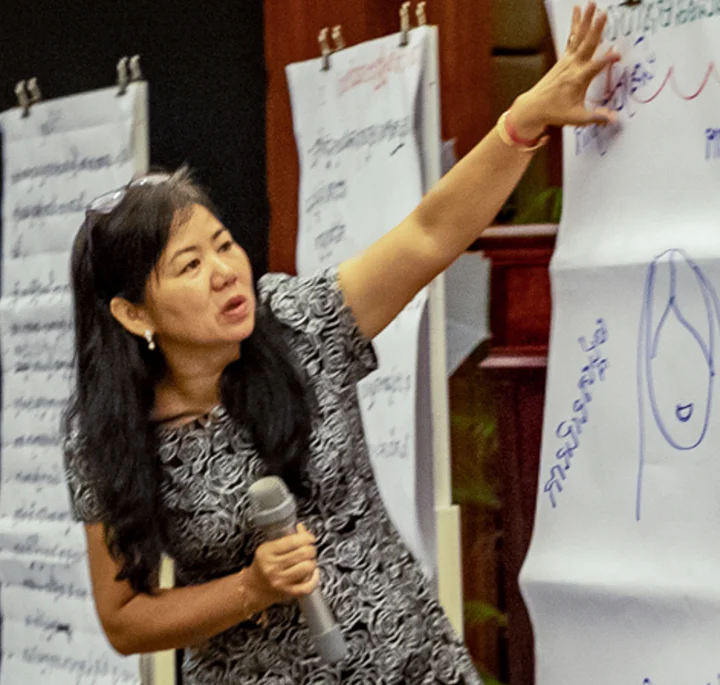
Watch Vong Sopanha's 30-year journey to become the most senior woman in Cambodia’s Forestry Administration.
Vong Sopanha, a forester who graduated in the early 1990s, is an example of a person who was sidelined because she is a woman. She was stuck in the government forestry office in Phnom Penh city because her colleagues thought it was too dangerous for her to go into the forest.
“I liked nature, and I wanted to work outdoors where I could meet different people and learn ideas from them,” Vong says about her desire to work in forestry. “But at the time, there was fighting still going on, and my male colleagues thought it was too dangerous. There were land mines in there too.”
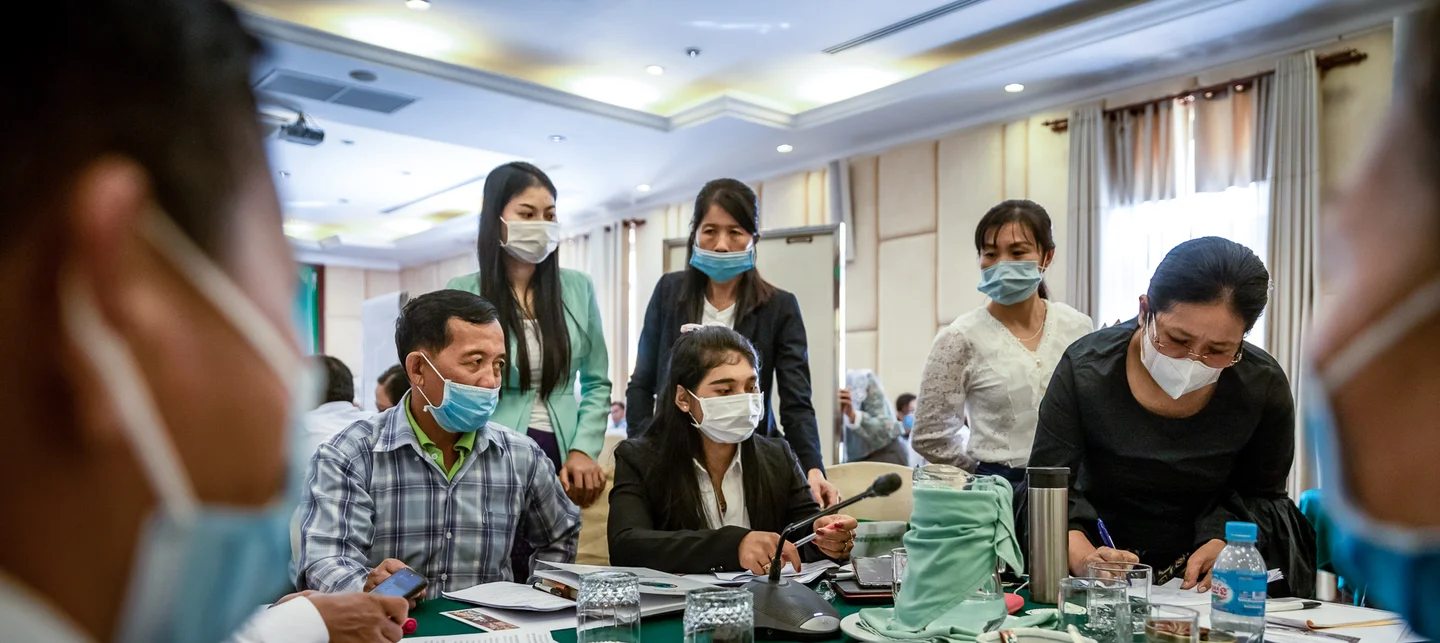
Women are often ignored. The problem is compounded because women have fewer educational opportunities, making them self-conscious and shy when participating in discussions about community forestry.
“I do not dare talk too much,” says Nhas Tom, a community member from Koh Nhek, Mondulkiri Province, about her feelings when she tries to join discussions with male villagers. “I am afraid that I will say the wrong thing and people will laugh at me because I have little education.”
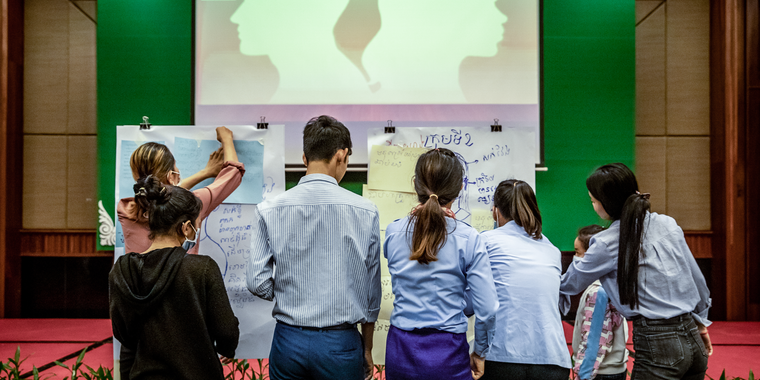
Creating space for women
Creating space for women in forestry starts with an understanding of the importance of balancing the power between men and women.