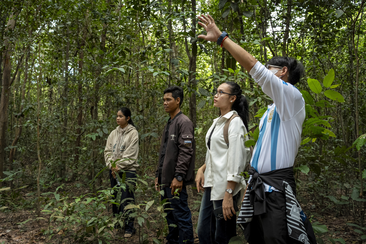
Social forestry is central to climate action, biodiversity conservation and rural development. Its success depends not only on policies, but also on who makes decisions and who benefits from them. New analyses from Cambodia, Indonesia and Lao PDR show that gender equality and social inclusion (GESI) is not peripheral to social forestry impacts. GESI is critical to ensuring effectiveness, equity and investment readiness.
Where governance is inclusive, forests tend to be better protected, rules are more widely followed and benefits are shared more equitably. Inclusive governance also strengthens legitimacy. When diverse stakeholders are involved in decision-making, processes are more transparent, conflicts are reduced and accountability improves.
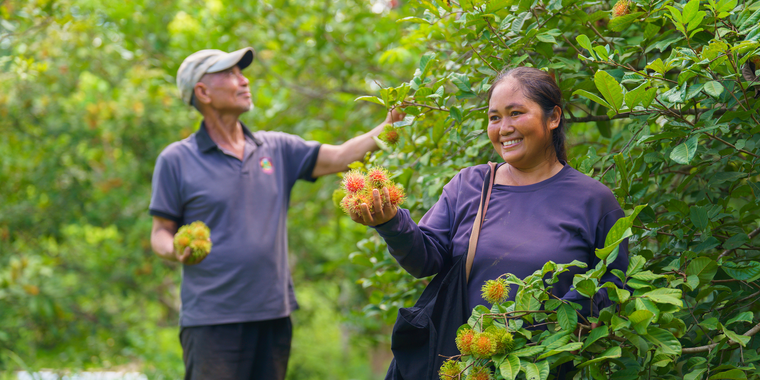
The economic case is equally strong. Women and youth play central roles in non-timber forest product value chains, small-scale processing and forest-based enterprises. Where they take on leadership roles, incomes diversify and businesses are more resilient.
GESI is also becoming essential for accessing finance. Mechanisms such as REDD+, payments for ecosystem services and carbon markets increasingly require safeguards, equitable benefit-sharing and inclusive governance. Systems that fail to demonstrate inclusion risk missing out on these opportunities.