Global climate finance mechanisms are increasingly emphasizing not only results-based payments and carbon market integrity, but also the need to ensure the meaningful participation of Indigenous Peoples and local communities.
This is particularly relevant to Viet Nam, as it prepares to implement a large-scale Reducing Emissions from Deforestation and Forest Degradation (REDD+) programme under an agreement with the Lowering Emissions by Accelerating Forest Finance (LEAF) coalition.
The programme covers five provinces in the Central Highlands and South-Central regions. And the engagement of Indigenous Peoples and local communities is both a critical requirement and an ongoing challenge.
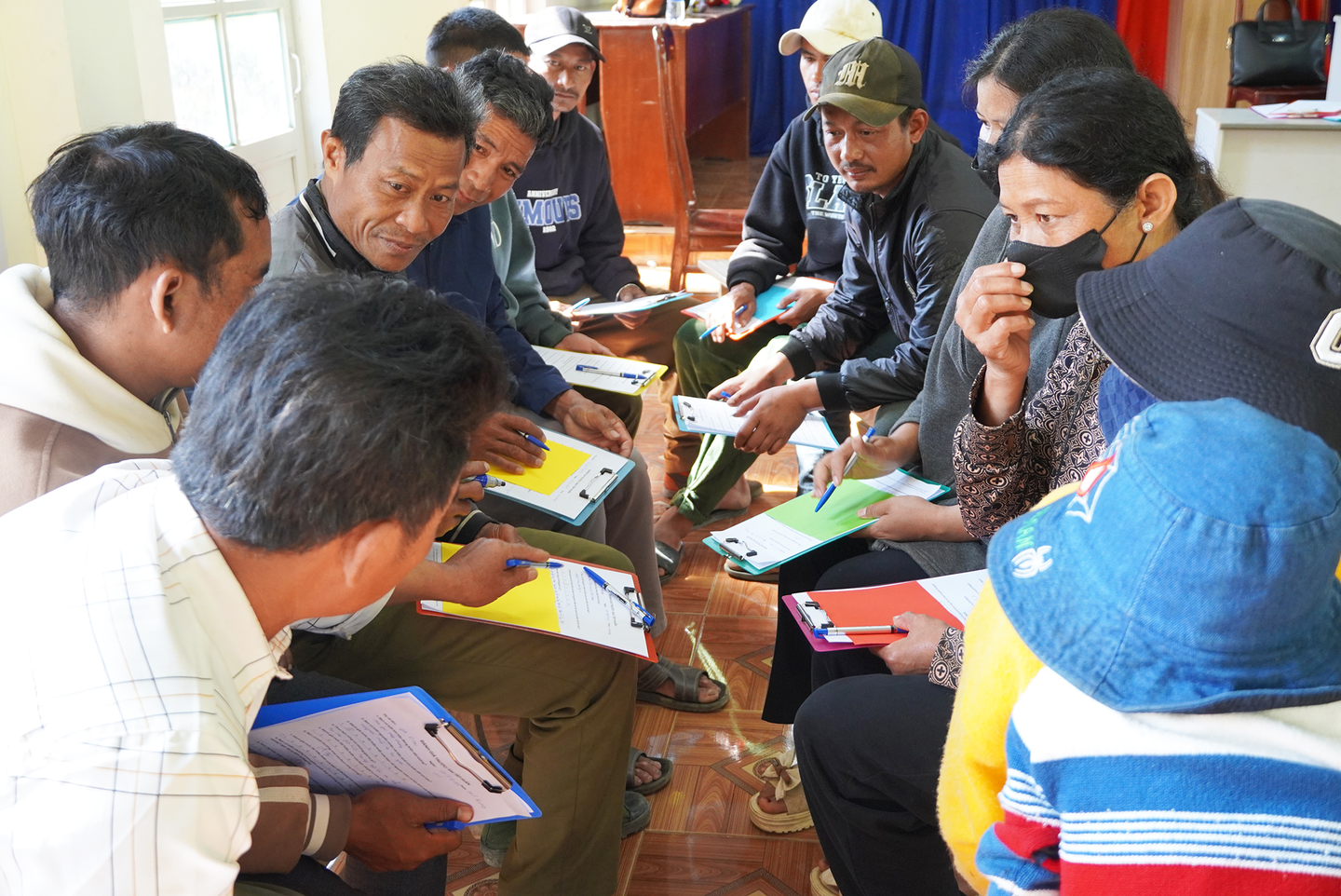
Before joining a RECOFTC training event, Y Pam Ayun, a farmer in Viet Nam’s Central Highlands, had never heard about the REDD+ programme. Today, he can explain the basics of forest carbon, understands his community’s rights and knows which authorities to approach with questions.
Such a shift, if replicated, will shape the outcomes of an ambitious experiment in climate finance. Markets for forest carbon can only succeed if the people who live in and depend on forests are meaningfully involved.
This is the challenge facing jurisdictional forest carbon initiatives such as REDD+. These initiatives operate at the provincial or multi-provincial scale, linking payments for carbon credits to verified reductions in greenhouse gas emissions, while embedding social safeguards, including the engagement of Indigenous Peoples and local communities.
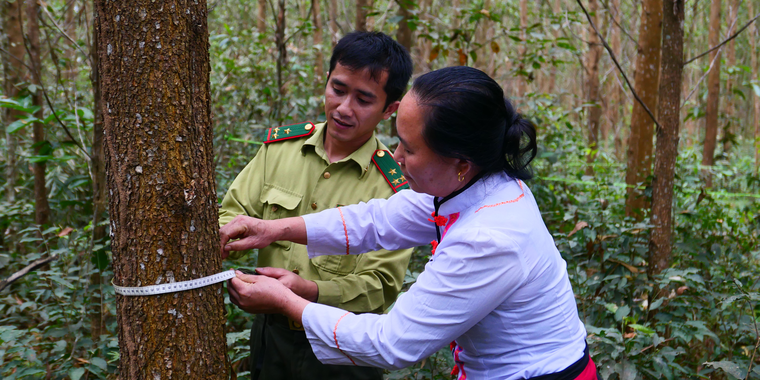
In principle, the model is straightforward. In practice, delivering on engagement is proving to be a challenge. RECOFTC Viet Nam’s experiences show that, to achieve large-scale engagement, it is effective to have materials in local languages, engage communities regularly and train farmer champions to share information through local networks, meetings and existing systems.
Why engagement is difficult
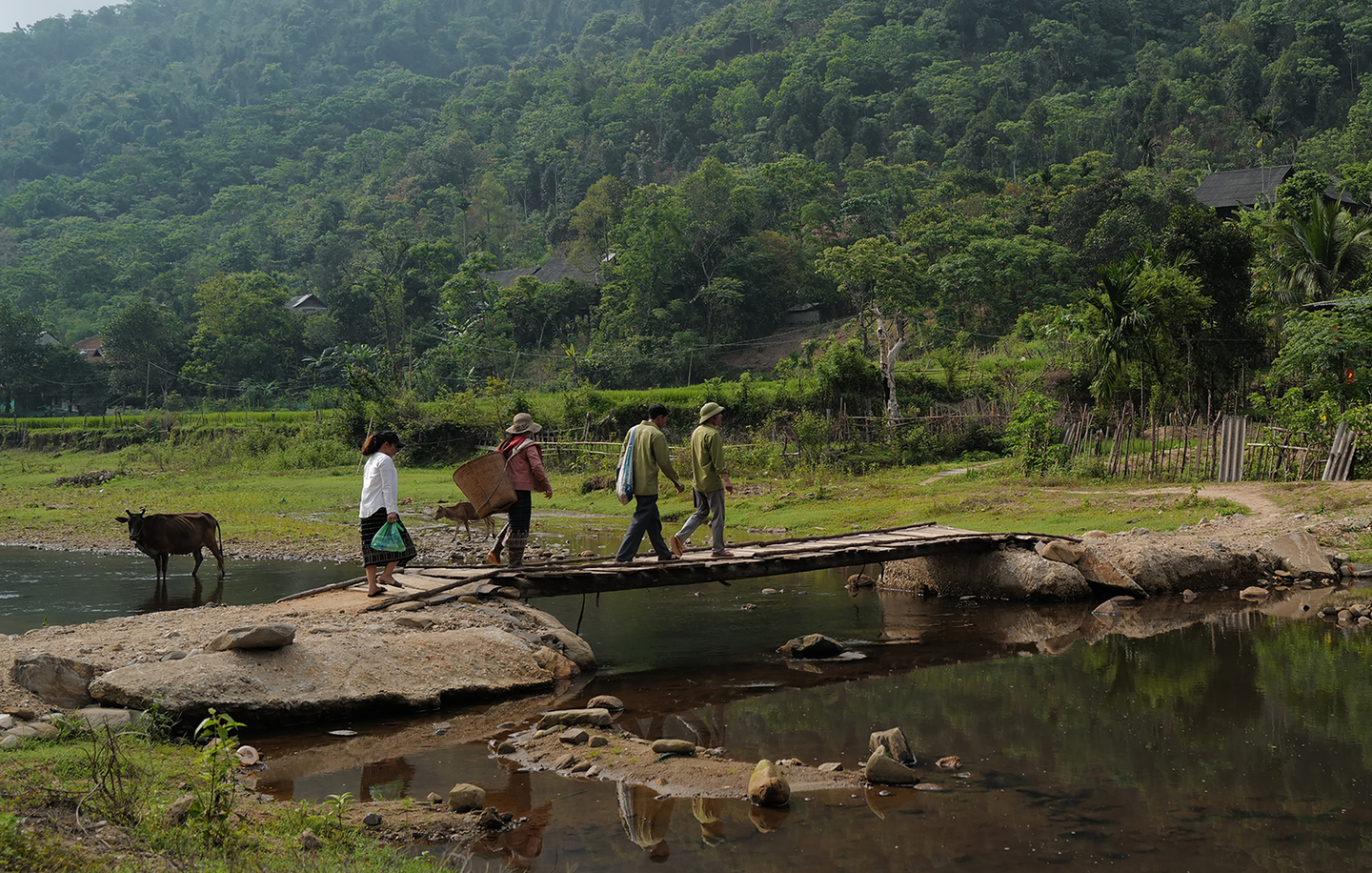
Across Viet Nam, hundreds of thousands of people live in or near forest areas, often in remote or mountainous regions. Many belong to Indigenous groups whose livelihoods and identities are closely tied to these ecosystems. Their participation in forest carbon initiatives is essential not only as a safeguard but because they are central to forest protection.