A changing way of life
Global trends and the high-level politics of the 1970s and 1980s were beginning to exert pressure on Thailand’s government to halt the production of opium in Northern Thailand.
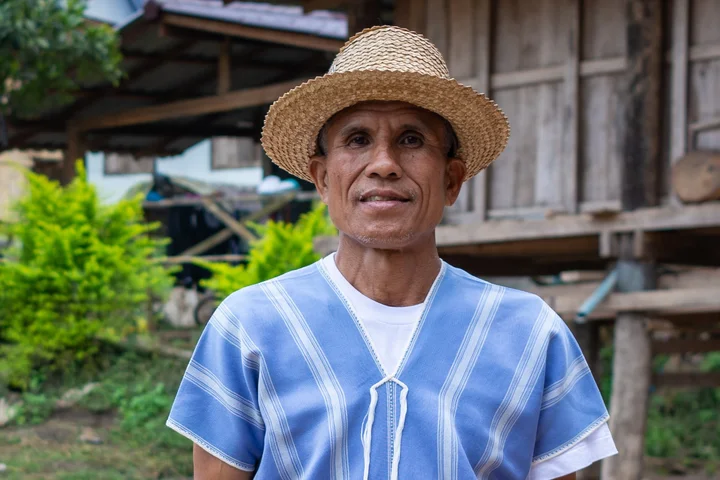
As an elected official, Baan Mae Klang Luang village chief Phongthu had to represent the interests of his community while enforcing the laws of his government.
“But I knew that this friction would cause conflict over land-use because opium has a long history of being an important source of income here,” he says.
Opium trafficking provided a pretext for further state intervention in the area.
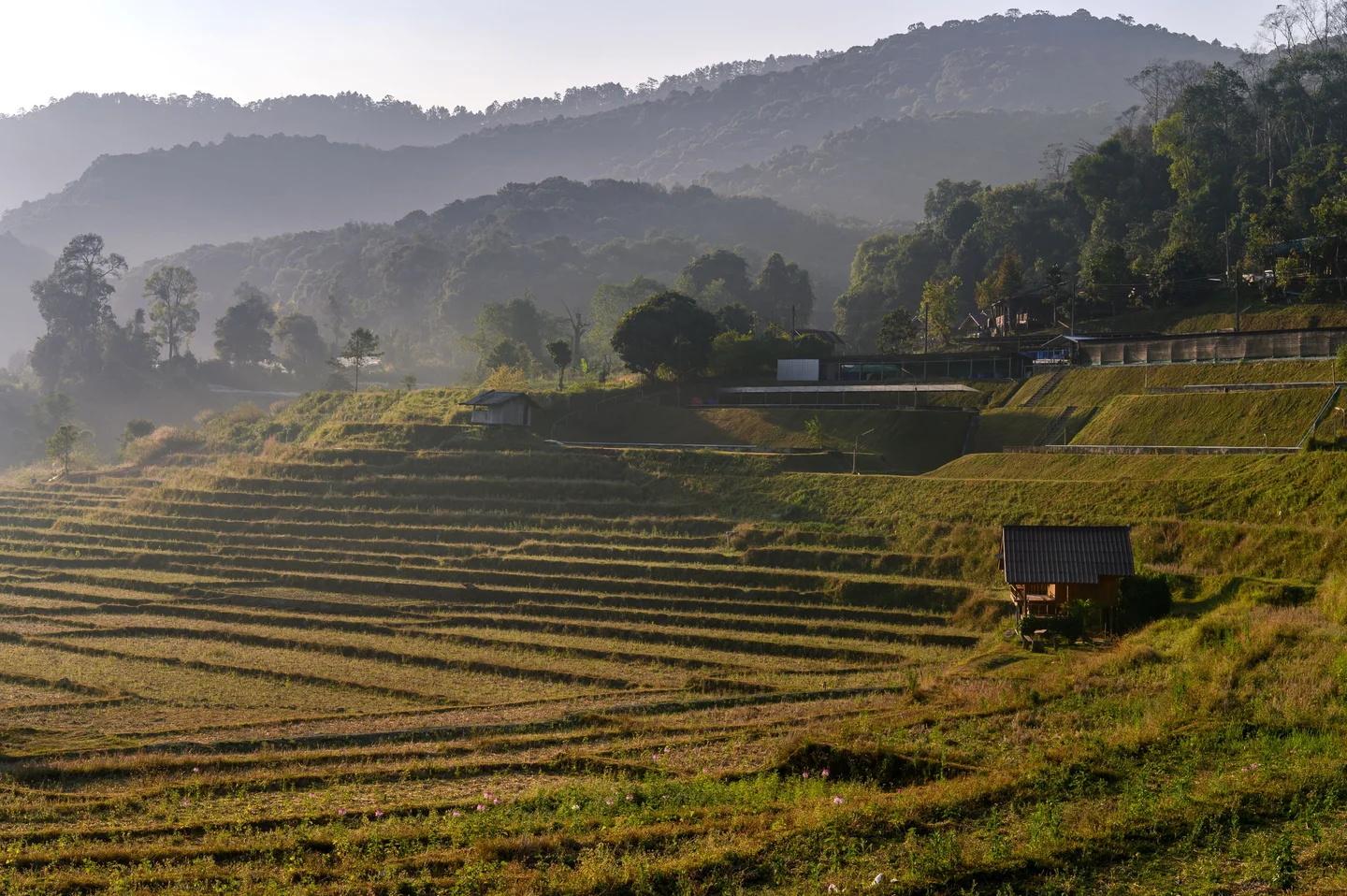
State-led infrastructure projects first began seeping into the surrounding hills of Chiang Mai in 1971. According to community leaders, the new roads provided an impetus for further development initiatives targeted at reducing the area’s financial dependence on opium.
Yet communities were often left out of discussions on how these development projects would affect them.
“There was no consultation with the upland communities,” said Soemikwa Thowa of the Sustainable Development Foundation, a Thai organization working with Baan Mae Klang Luang. The Sustainable Development Foundation was created in 1996 to facilitate community participation in natural resource management.
“The government did not provide them with any information at all. Even in 1971, many communities did not even know that producing opium had been illegal since 1958,” Thowa adds.
Thailand’s Royal Project initiated in 1969 by the late King Bhumibol Adulyadej of Thailand sought to rectify this issue by working with local communities to develop alternative livelihoods. Often hailed as a model for ending opium production by the United Nations, one of the biggest success stories of the Royal Project lies 230 kilometres northeast of Doi Inthanon on the border of Myanmar in Doi Tung.
This process, however, took time in Baan Mae Klang Luang. Villagers initially planted coffee between rows of opium to offset the short-term, transitionary loss.
But according to village chief Phongthu certain farmers were reluctant to move away from the valued cash crop, and market opportunities were limited. Conflicts continued to arise as Phongthu enforced the new laws and regulations the state had adopted.