Menu
Talk of the forest

Together for a fire-resilient future

How communities, businesses and urban residents can work together to manage forest fires and sustain forest livelihoods
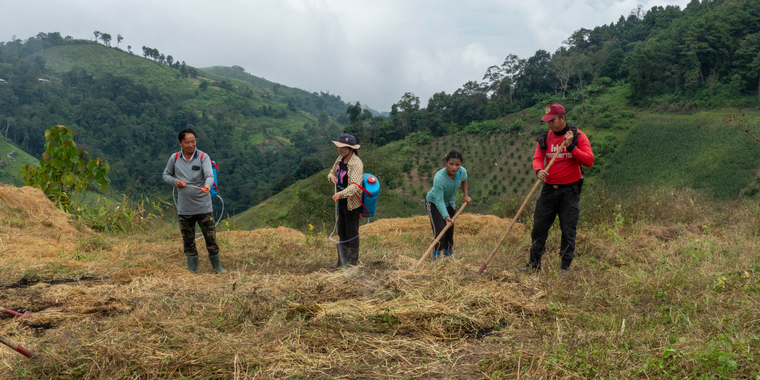
Manee Phruek community forest members and local forest fire control station officers in Nan prepare to manage fuel together before the fire season.

RECOFTC’s 2026 Bangkok Climate Action Week event ‘Community-based fire management for new climate and economy’ – co-organized with Citizens’ Forest Network, ChangeFusion Institute and the Forest Guardians project – looked at how forest communities can be supported to shape a climate-conscious economy where everyone can benefit from high-quality forest products.

The event explored how community-based fire management can make positive impact on the air we breathe and the food we consume. It brought together representatives from diverse sectors in Thailand. Among those speaking and attending were community leaders and members, entrepreneurs interested in collaborating with forest communities, and academics and development practitioners specializing in fire management and sustainability standards for forest-based products.

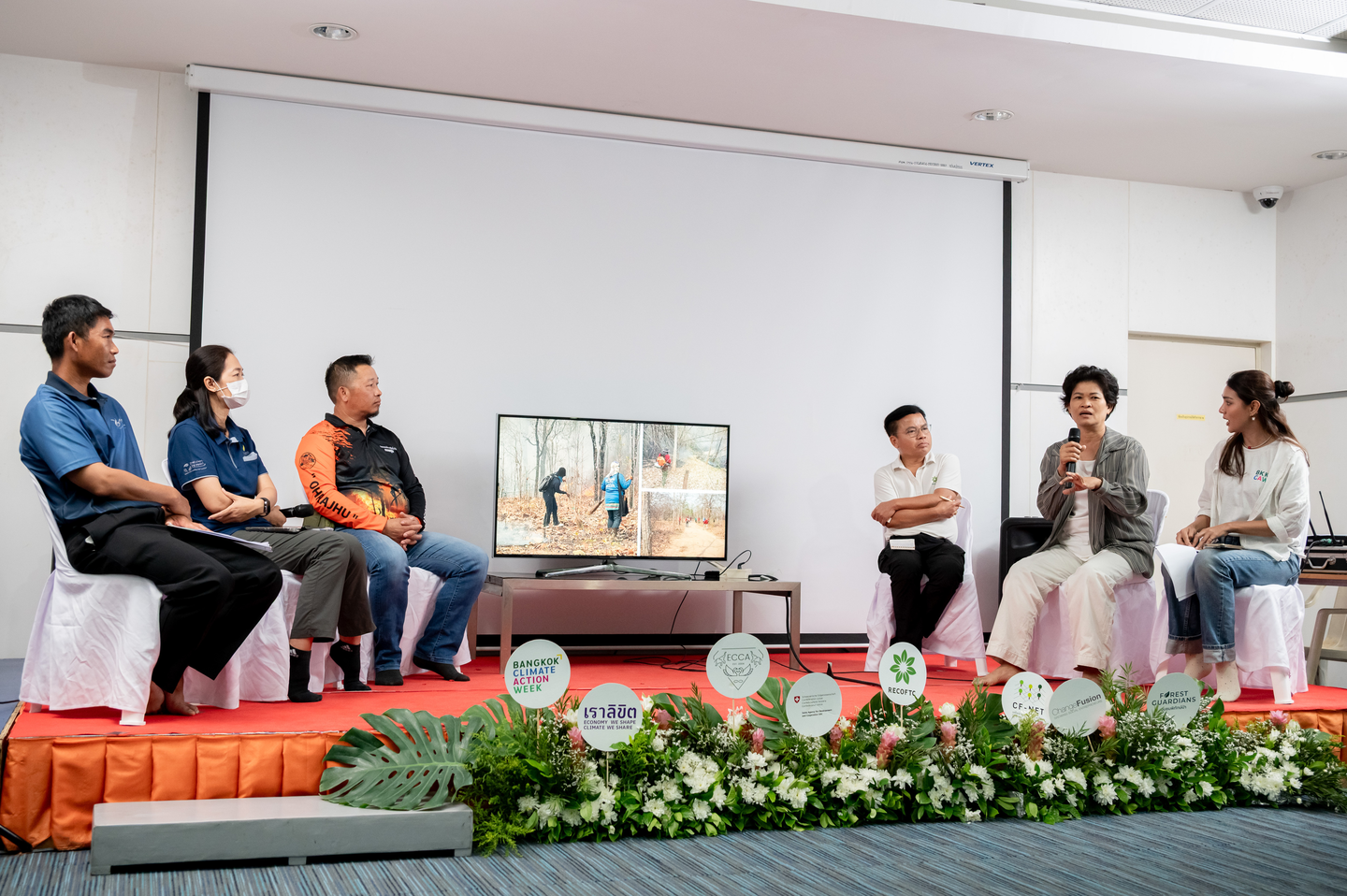
Representatives discuss community fire management in Thailand.
Representatives from forest communities, civil society and academia highlight the importance of working with communities in fire management.

Positioning communities as key actors towards sustainable fire management

Forest communities are often seen as populations affected by forest fires or even blamed for starting them, when in fact they have protected the forest they depend on for food and income for generations. Our talk session ‘Fire management experience from the forest guardians’ and panel discussion ‘Community-based fire management’ examined misconceptions around fire and the PM 2.5 issue in Thailand and how we can better address them.

These discussions highlighted how sustainable fire management must be rooted in community context, empower communities with a blend of local knowledge and accessible technology, and go beyond responding to wildfires as they happen. Integrated community-based fire management involves community members in planning and decision making throughout the annual cycle of preventing fires, preparing for them, fighting them and restoring the fire-affected landscape afterwards.

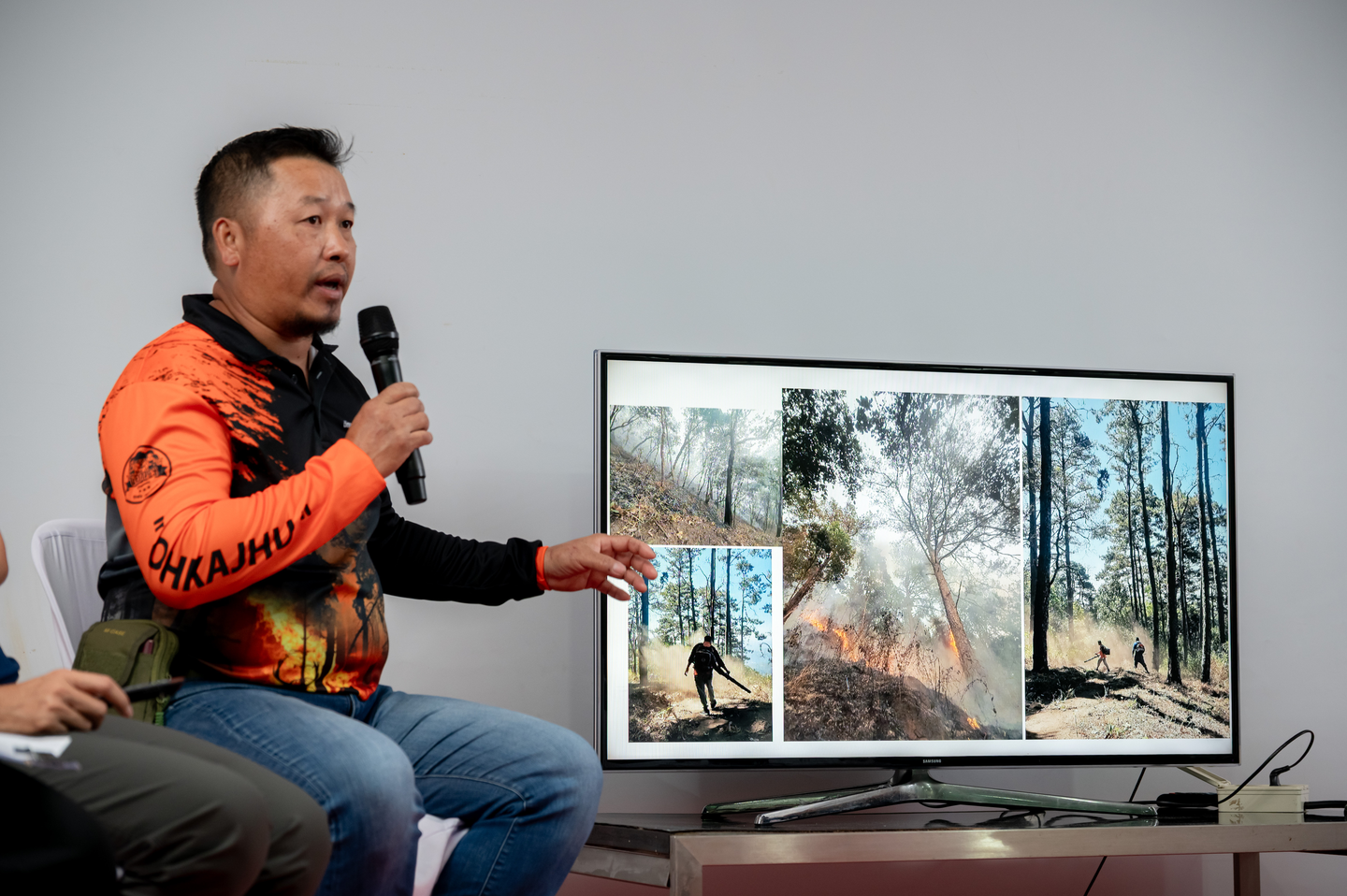
Mongkol shares fire management experience in Chiang Mai, Thailand.
Mongkol Yingyotmongkolsaen explains his experience integrating accessible technology into the fire management plan of his community.

Community representatives Samak Yod-on from Nan, Mongkol Yingyotmongkolsaen from Chiang Mai and Kritsana Feuangdee from Tak shared success stories and challenges from their respective community-based fire management missions. Their experiences all pointed towards the view that fire management is not just the responsibility of the government. All three speakers emphasized the importance of cooperation among communities, governmental agencies, civil society organizations, and the private sector and citizens. They highlighted the need for more context-appropriate policies that strengthen community capacity. There was also agreement that communities must be allowed to use beneficial fire in an evidence-based manner (i.e. prescribed burning) during appropriate times of the year to manage fuel and prevent uncontrollable forest fires.

Participants noted that those living far from the forests, particularly businesses and urban individuals, may become key supporters of fire management by financing or providing other resources for communities at the forefront of fire management. Such actions could work in parallel with mechanisms led by the government and civil society.

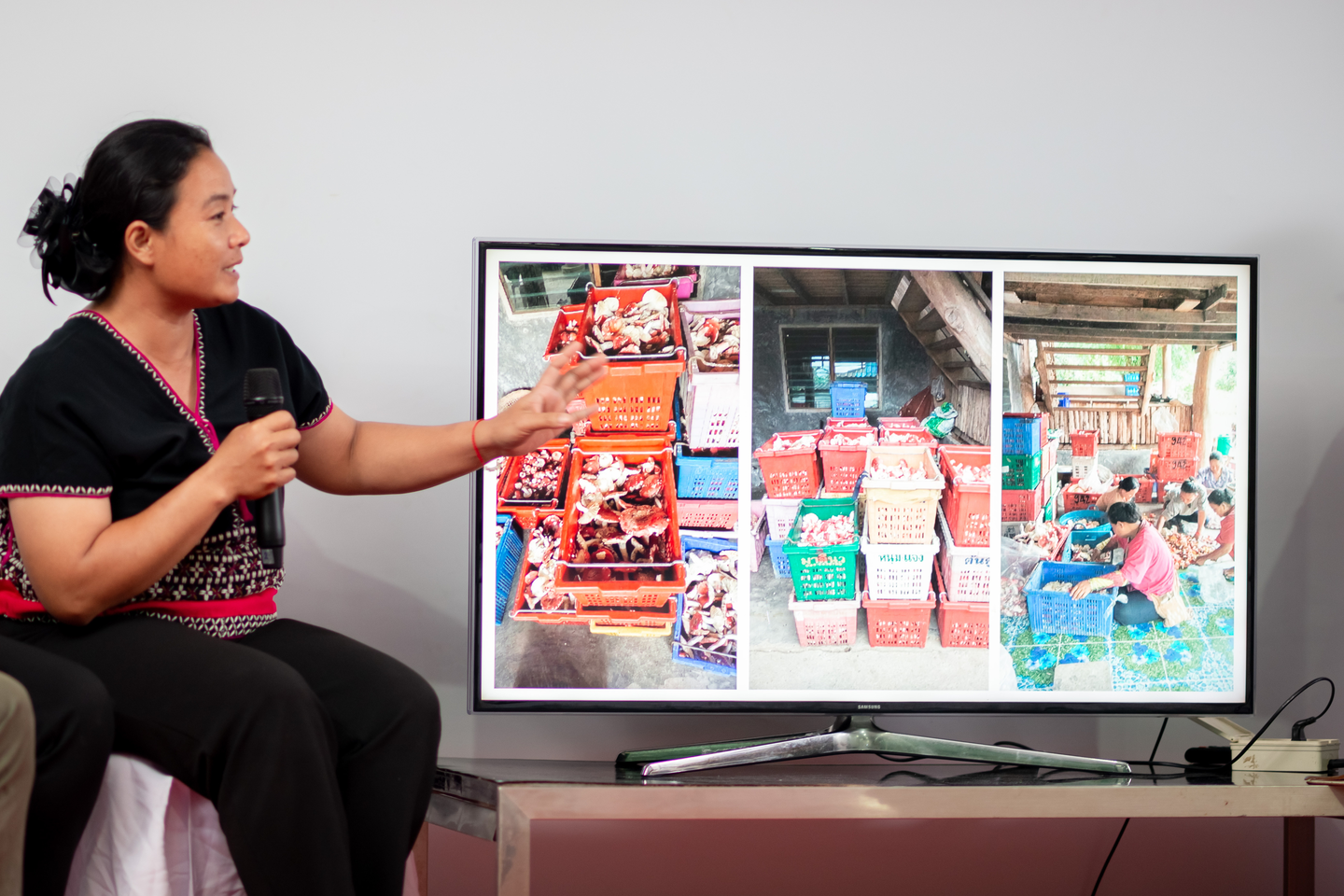
Anongphorn speaks about mushrooms in Chiang Mai, Thailand.
Anongphorn Duhae, a local forest product seller from Chiang Mai, speaks about the positive impacts of community-based forest and fire management, which includes a steady supply of mushrooms.

Shaping a new economy for the climate, forest communities and us all

Building on the conversation around community-based fire management, a fishbowl discussion ‘How to forage sustainably’ addressed the growing prejudice against forest product consumption in Thailand.

Many in the country believe that foraging involves burning and other illegal activities in forests. The discussion aimed to address this prejudice directly while also looking at the emerging economic possibilities that sustainable foraging may bring to communities, consumers and businesses such as restaurants, retailers and manufacturers.

Ban Huai Bong community forest committee member Prajaksilp Butu and local mushroom forager Chantra Satue from Chiang Mai shared their experience in developing biodiversity- and fire-integrated forest management plans. Their communities’ work has ensured that their forests can continue to supply resources for local consumption as well as external markets. In reality, forests can consistently produce resources such as herbs, ant eggs and honey only if they are well cared for.

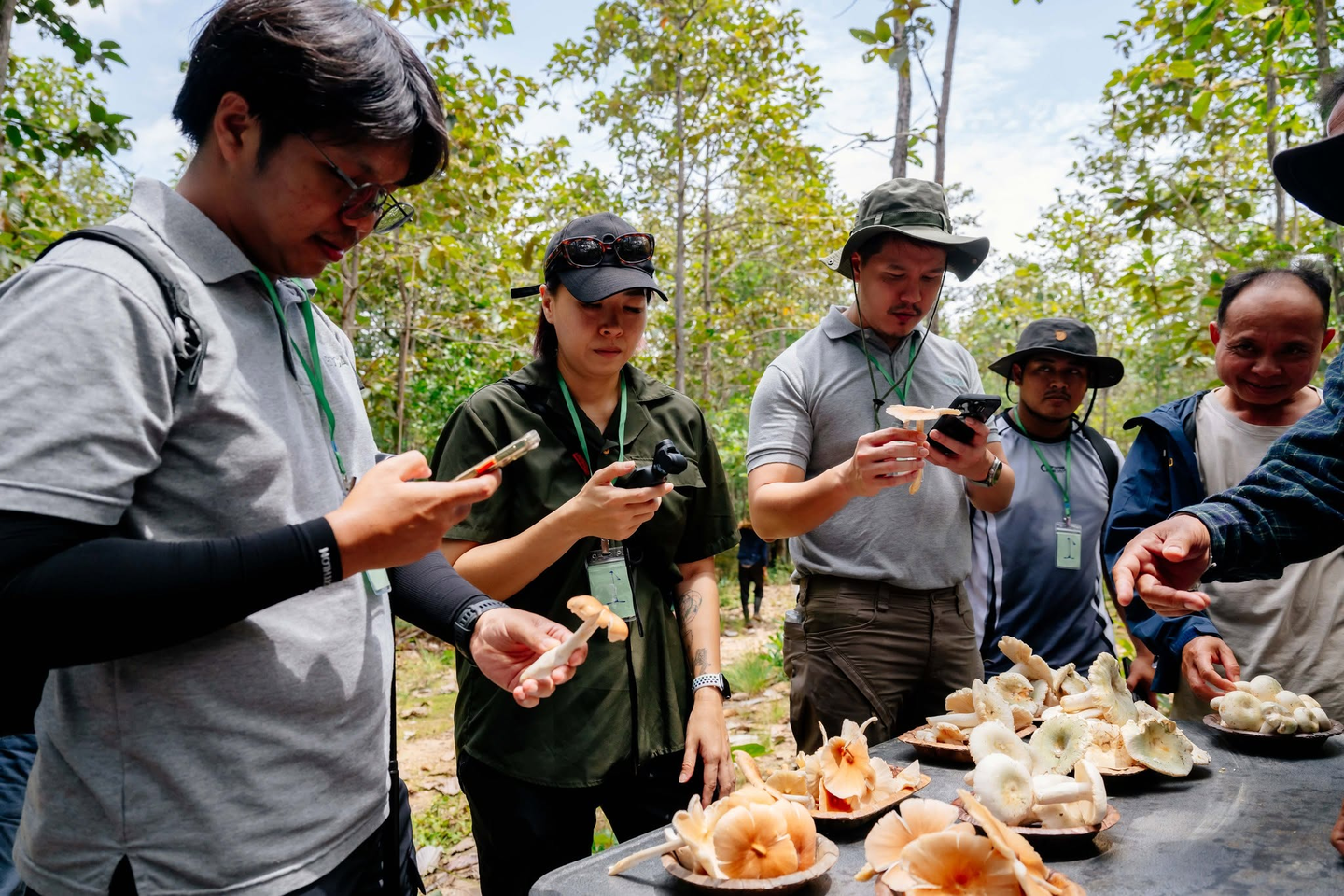
Participants experience mushroom foraging in Thailand.
At a RECOFTC Thailand-organized field visit in August 2026 for communities, donors and multi-sectoral partners, the participants experience mushroom foraging in a forest with community-based fire management.

Business, civil society and government have a big part to play as well. Piyathip Eawpanich, an independent scholar and expert in sustainability standards, highlighted the importance of developing sustainable forest product standards. She noted that this will allow entrepreneurs and consumers to trace the origins of forest products and trust that they come from well-managed forests.

Vikrom discusses forest product potential in Thailand.
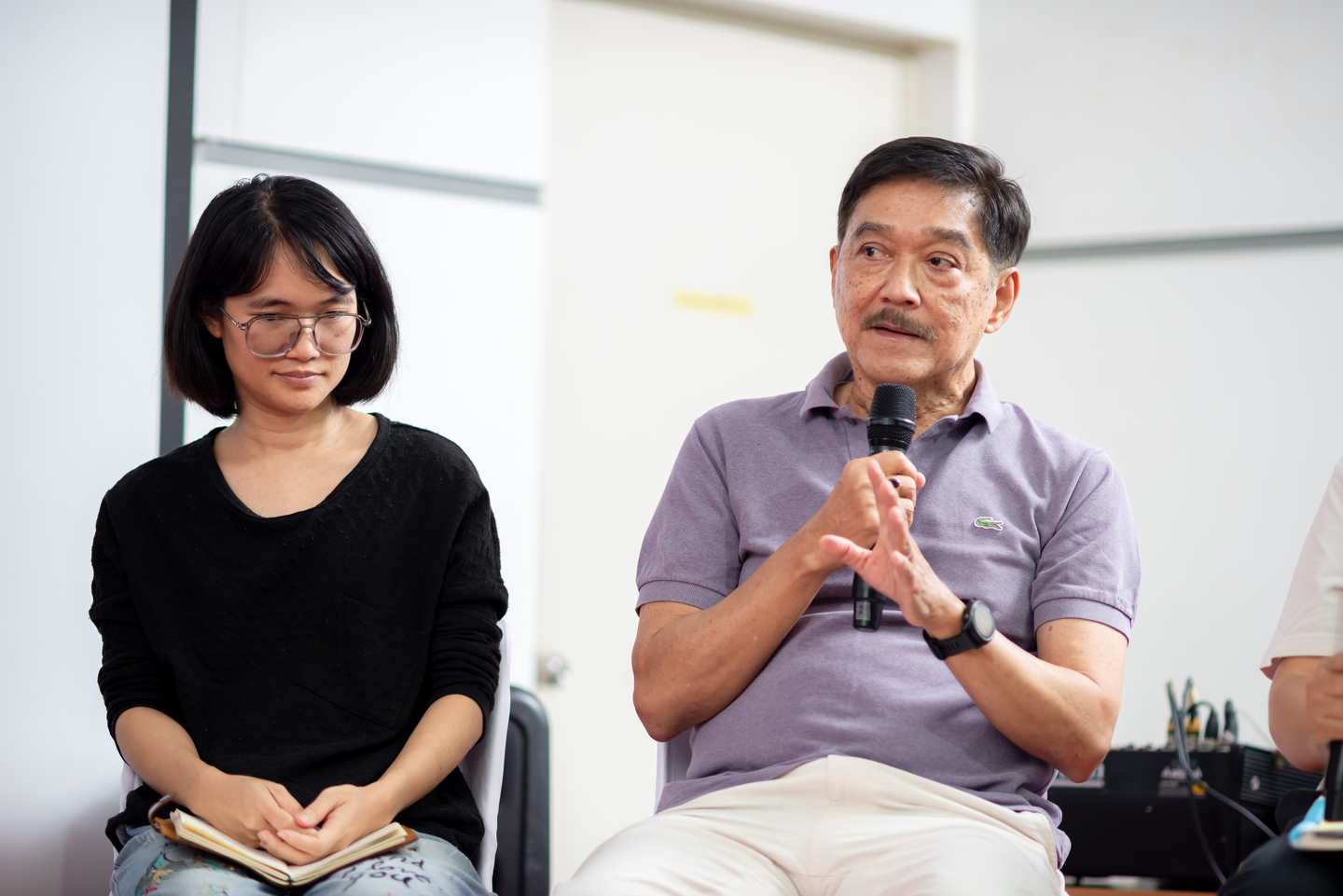
Vikrom Vacharakupt (right) discusses the business potential and economic value of forest products.

Vikrom Vacharakupt, a prominent business executive in Thailand, called for long-term partnerships between communities and entrepreneurs to facilitate market access, empower communities economically, and incentivize forest stewardship. “One-off corporate social responsibility activities will not suffice,” he said.

Long-term partnerships between communities, businesses and other stakeholders can help build viable markets for sustainably harvested forest products. Additionally, sustainability standards and better communication can help consumers understand where the products come from and how responsible forest management supports their production. The income that flows back to communities then also helps communities to continue taking care of their forest.

Appropriate policies, adequate resources and long-term cooperation among communities, government, businesses and the public are essential to managing fire and keeping forests healthy for future generations. Whether it be community-based fire management or sustainable foraging, communities cannot do this alone.

As the fire and haze season approaches Thailand, many communities still lack the funding they need to manage fire. The Forest Guardians crowdfunding project is accepting donations to support communities as key actors in sustainable forest management, including community-based fire management. RECOFTC is an implementing partner in community capacity development for fund management and reporting while the project itself is implemented by ChangeFusion, Taejai.com and partners. Those interested can donate through Taejai.com.

###

Nitchanun Tantapong is communication officer at RECOFTC Thailand. 

RECOFTC Thailand is implementing the Forest Guardians project and forest business development activities as part of our Community Forest Empowerment programme (Grow CF), funded by the ECCA Family Foundation.

Story details

Thematic area
Climate change
Economic benefits for communities
Geographic focus
Thailand