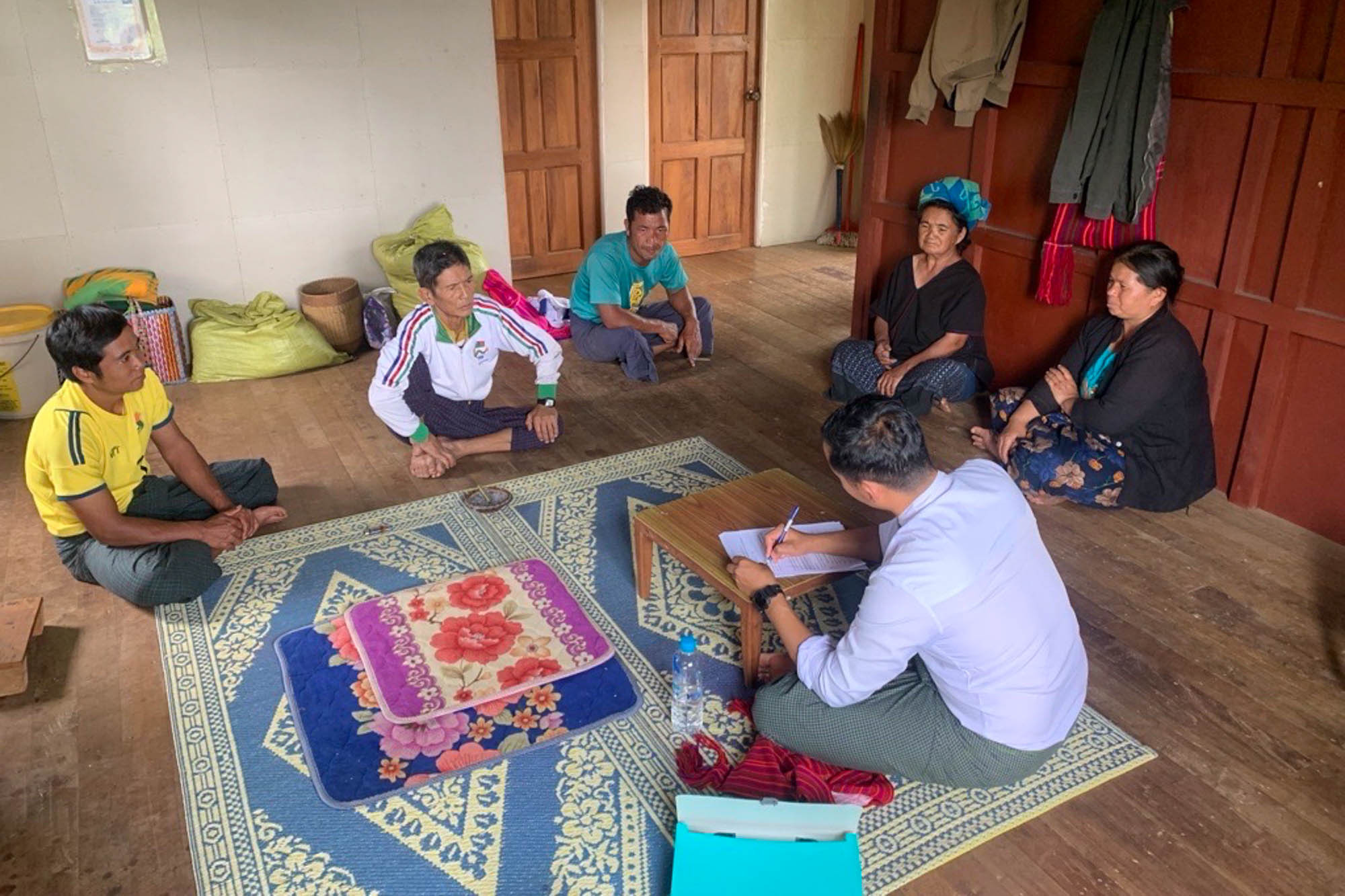

In Myanmar’s Southern Shan State, RECOFTC is supporting local communities to improve avocado farming while protecting forests.
Avocado farming is expanding in Myanmar, but producers face persistent challenges. These include pest and disease outbreaks, climate-related risks, low yields from grafted trees in the early stages, and limited access to sustainable farming techniques.
In Nyaung Shwe, a township in Southern Shan State, Myanmar, RECOFTC is working with Indigenous Peoples, local communities and the private sector to strengthen sustainable avocado farming.
Through the Chain of Changes project, we are supporting nature-positive approaches that improve soil health, water quality and biodiversity while enhancing livelihoods. We are also helping to develop a participatory monitoring, evaluation and learning framework so that farmers and traders can assess sustainability over time.
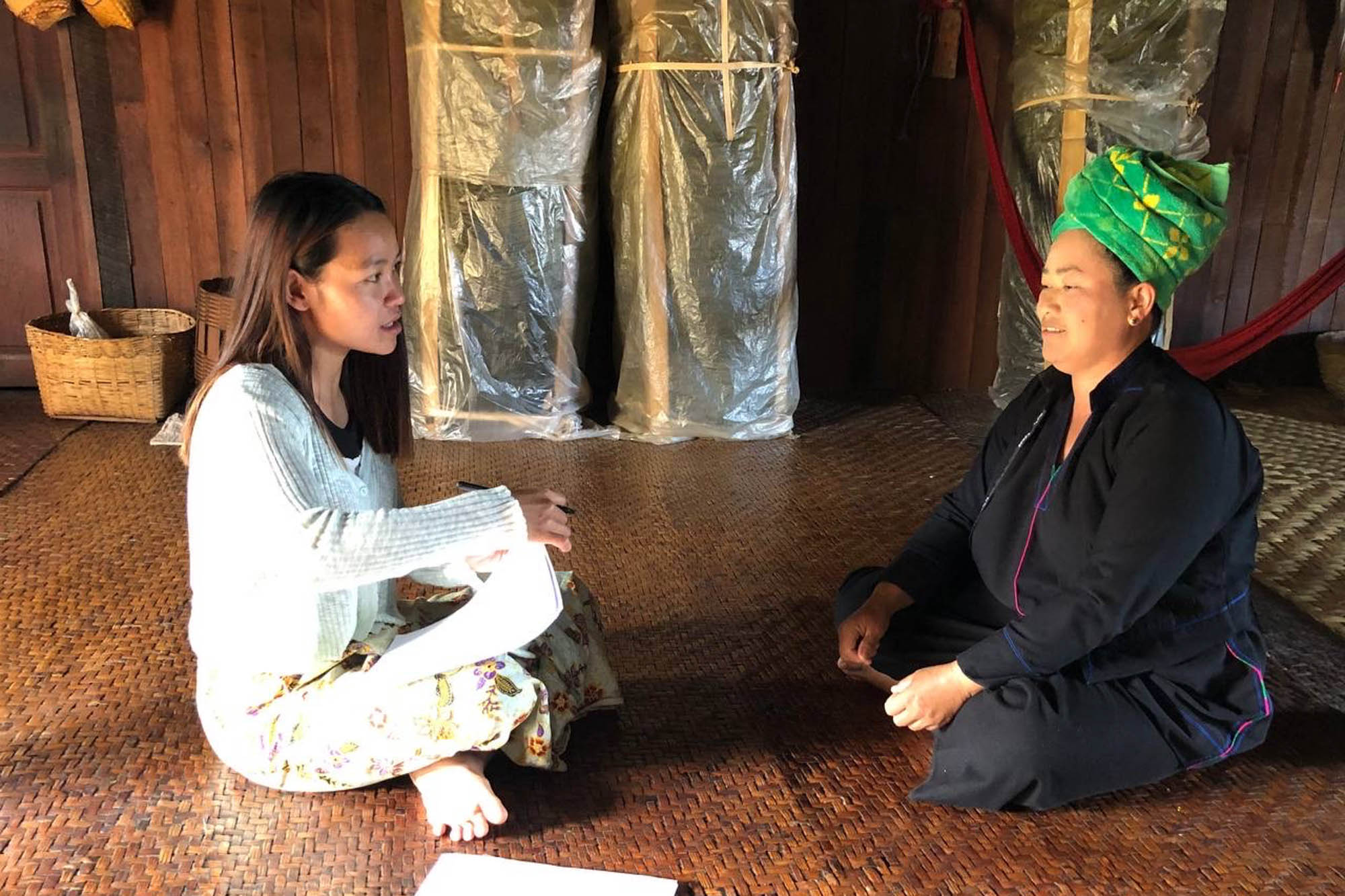
We conducted participatory research in five villages – Inn Ni, Pon Tal, Pwe Taung, Tha Pyay Kone and Ye Oo. Based on its results, we have identified potential solutions that can address some of the challenges faced in avocado production and marketing. Our focus is on high-quality avocado varieties, better harvest and post-harvest practices, and reduced reliance on chemical inputs. We are also facilitating a multistakeholder platform, establishing farmer field schools and demonstration sites, training farmer champions and supporting regenerative agriculture.
These efforts are helping lay the foundation for a more resilient and sustainable avocado sector that can strengthen community livelihoods while conserving the forest landscapes that sustain them.