Menu
Talk of the forest

Starting with community priorities

Before launching activities on the ground, the EnABLE project worked with communities across northern Lao PDR to understand their needs, strengths and aspirations for forests and livelihoods
Communities in Lao PDR

Across Luang Prabang, Oudomxay and Xayaboury provinces in Lao PDR, many households depend on upland agriculture, growing rice for household consumption and crops such as maize for income while raising livestock such as goats and cattle. Understanding how these communities make a living and the challenges they face is essential to designing support that strengthens both livelihoods and forest conservation.

As part of the Enhancing Access to Benefits while Lowering Emissions (EnABLE) project, RECOFTC conducted a capacity development needs assessment across the three provinces in December 2025. Through discussions with community members, we explored local priorities, existing knowledge and opportunities to strengthen sustainable livelihoods alongside forest conservation.

This work was done in close collaboration of the Governance, Forest Landscapes and Livelihoods (GFLL) project under the Lao government’s REDD+ Division.

Strengths and constraints

The conversations painted a clear picture. Despite their hard work, many communities face limited access to markets, weak bargaining power and low incomes. For some families, these challenges make it difficult to cover household expenses or keep children in school, contributing to youth migration in search of work elsewhere in Lao PDR or abroad.
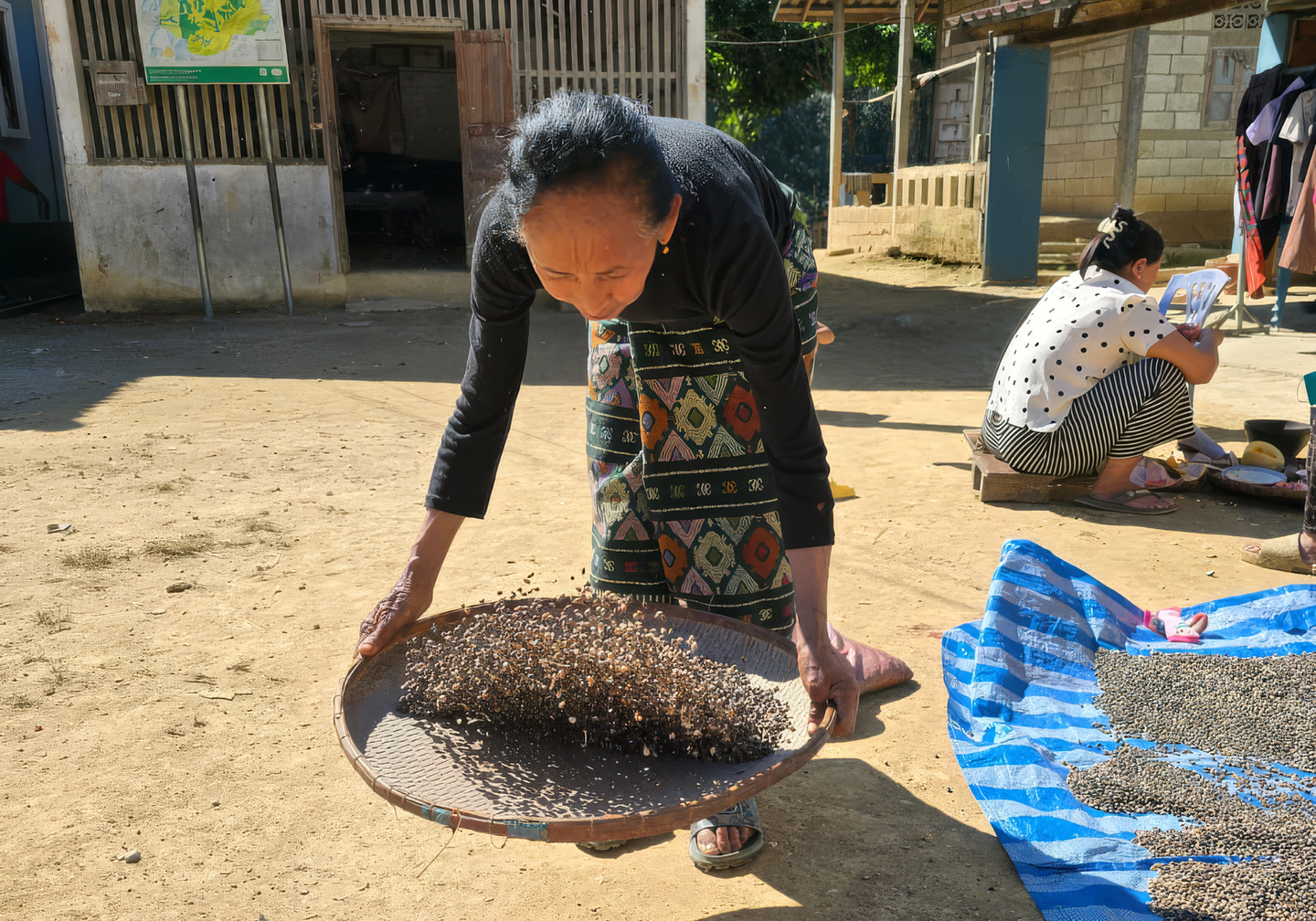
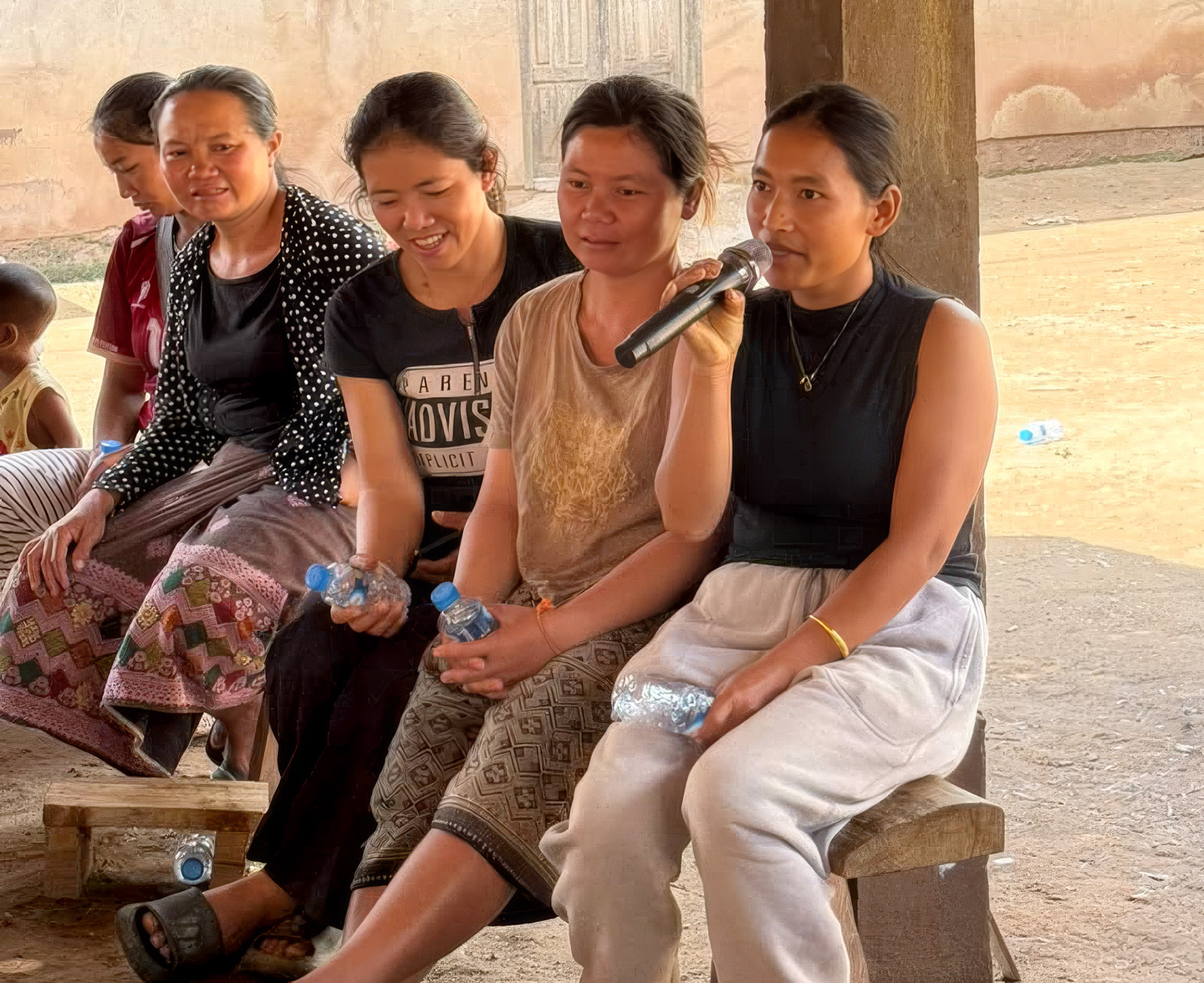
A woman from Lankang village in Nambak district, Lao PDR.

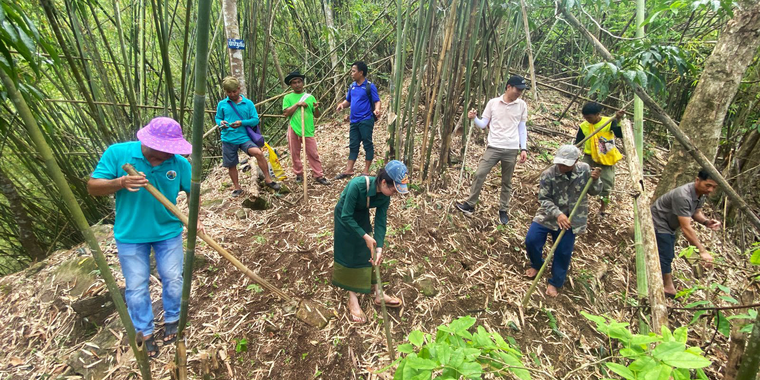
At the same time, the assessment revealed significant strengths that communities can build on. Many villages already have extensive knowledge of managing forests and using non-timber forest products, including edible plants, medicinal herbs, bamboo, rattan, broom grass and resins. Women and members of ethnic communities also play an important role in collecting forest products and cultivating crops such as maize, beans and Job's tears.

Communities identify what matters most

Lao Women Union group leader from Tadmouane, Oudomxay province.
Xayamphone Keovongsa, head of the Lao Women Union group from Tadmouane, a village in Oudomxay province.

"We wanted activities that respond to our own situation. The action plan reflects what our community agreed was most important, from protecting our forests to improving livelihoods for our families." said Xayamphone Keovongsa, head of the Lao Women Union group from Tadmouane village in La district, Oudomxay province.

Community members also identified areas where additional support would make the greatest difference, including livestock management, crop productivity, agroforestry, community product mapping, business planning, packaging, and improved access to markets and market information.

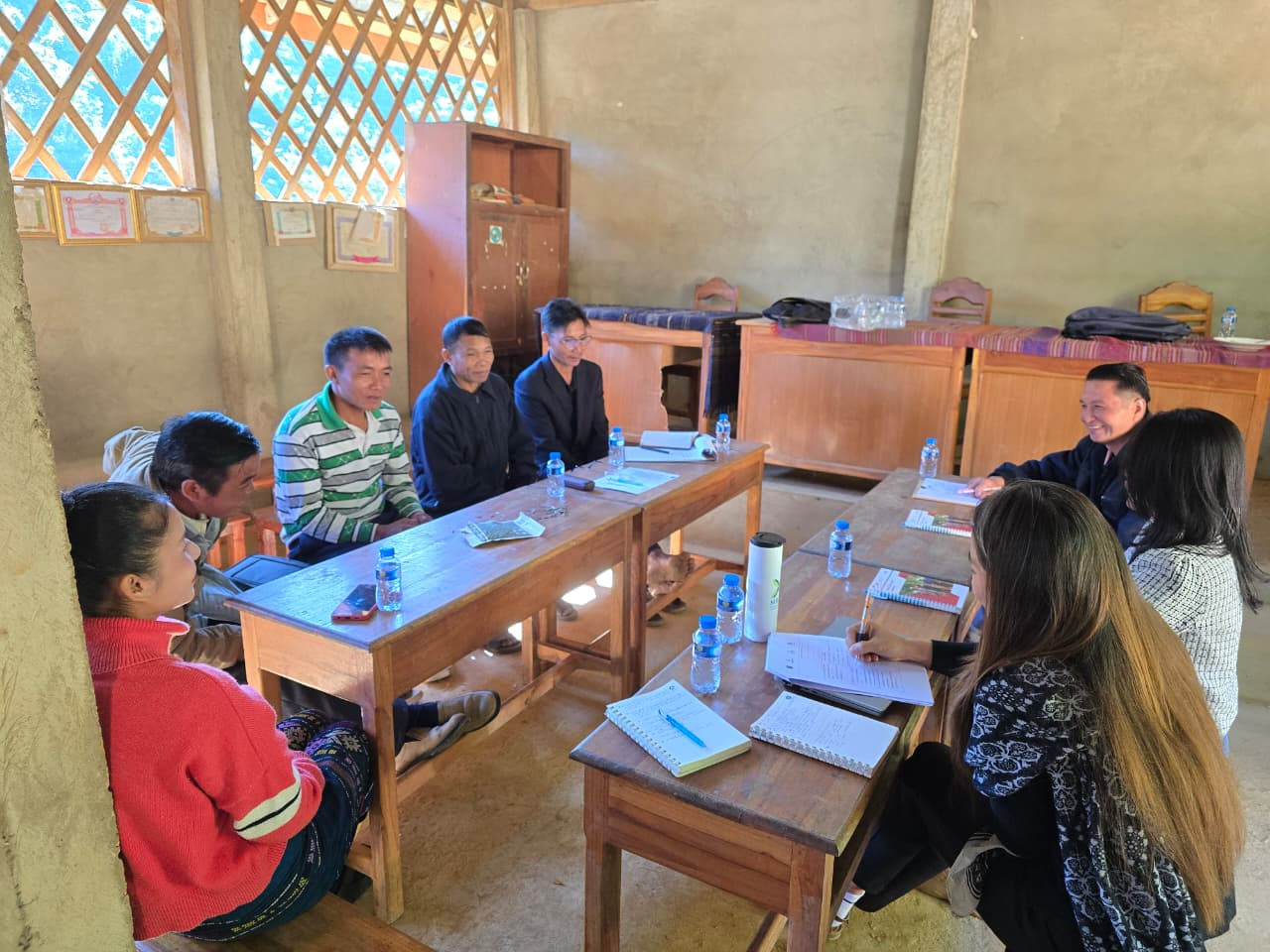
Community members and EnABLE team during a capacity needs assessment.
Community members and members of the EnABLE project team during a capacity development needs assessment session in Luang Prabang province.

"We already have experience farming and using forest products, but we need more technical knowledge and better access to markets. With the right support, we can improve our incomes while continuing to protect our forests," said Xiengphanh KeoKhamphone, deputy head of Mouangkham, a village in Pakseng district, Luang Prabang province.

Participants also highlighted the need for further capacity development in community fund management, facilitation skills, gender equality and social inclusion, and leadership.

Turning priorities into action

The assessment has directly shaped how the EnABLE project is being implemented. Current activities include supporting the implementation of community action plans with the active participation of women, youth and ethnic communities.

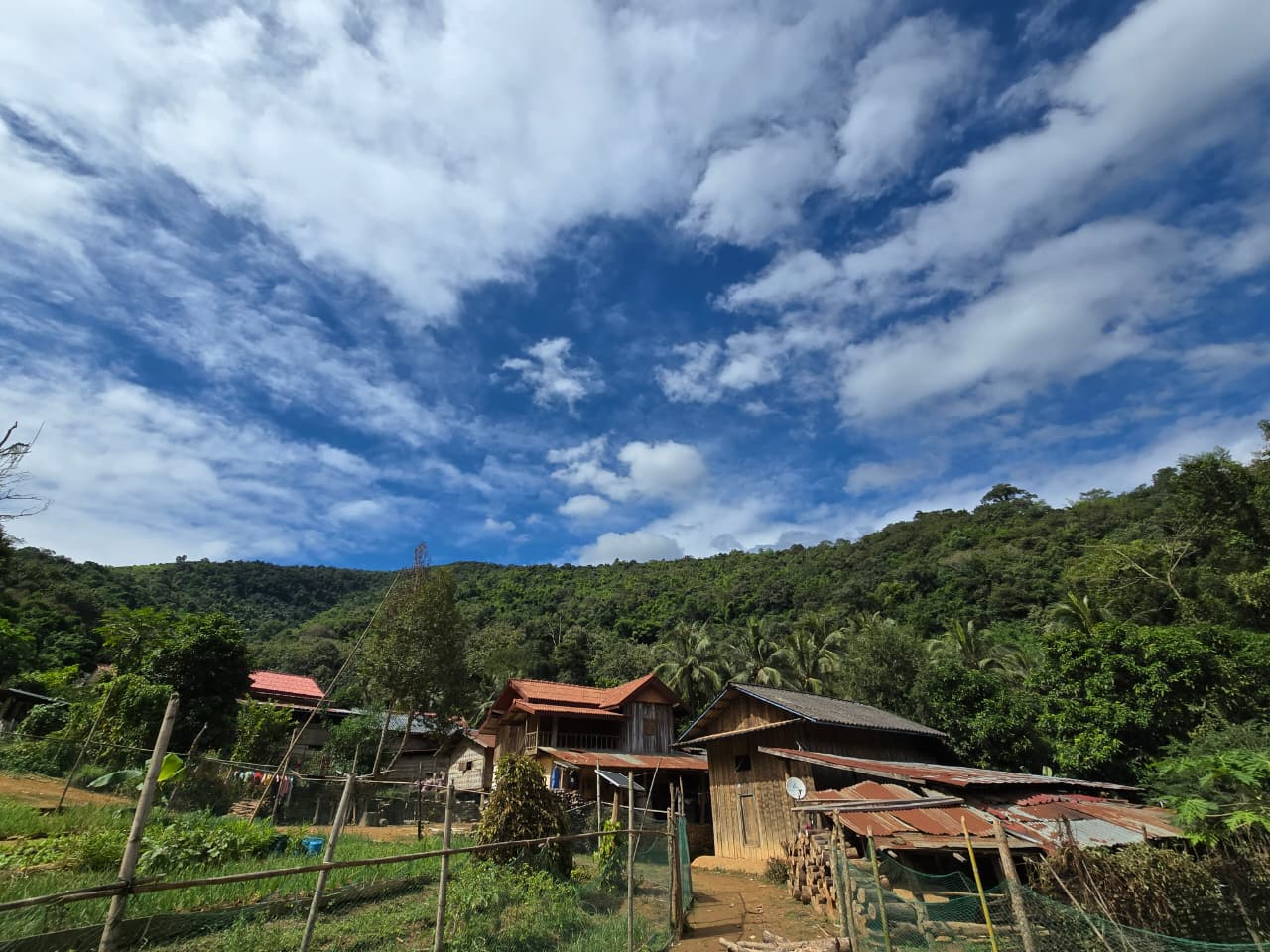
A village in Pakseng district, Lao PDR.

The project is also strengthening livelihood diversification through sustainable agriculture, agroforestry and non-timber forest product management, while improving market access and value chain development for community products. Alongside these efforts, it is building local capacity in financial literacy, forest stewardship, facilitation and inclusive governance.

###

Chinda Milayvong is deputy country director of RECOFTC Lao PDR.

The EnABLE project focuses on strengthening land tenure, village forest management, climate-smart livelihoods and gender equality and social inclusion. Implemented by RECOFTC with support from the World Bank, EnABLE works to ensure that women, ethnic groups and local communities can access carbon and non-carbon benefits under the Lao PDR Emission Reduction Programme.

Story details

Thematic area
Governance and rights
Geographic focus
Lao PDR