
This project was an initiative aimed at strengthening forest landscape governance in the Mekong region, where an estimated 85 million people depend on forests for their livelihoods.
Voices for Mekong Forests

Past project
This project was an initiative aimed at strengthening forest landscape governance in the Mekong region, where an estimated 85 million people depend on forests for their livelihoods. The project sought to address pressing challenges such as deforestation, forest degradation, rural poverty and biodiversity loss, which are compounded by weak governance structures. Promoting inclusivity and effective participation of non-state actors (NSAs) like civil society was central to ensuring that forest governance processes were transparent, accountable, and participatory.
The project leveraged existing frameworks such as the Forest Law Enforcement Governance and Trade - Voluntary Partnership Agreements (FLEGT-VPA) and Reducing Emissions from Deforestation and Forest Degradation (REDD+). It focused on empowering NSAs to engage in multi-stakeholder dialogues, present their concerns to policymakers, and organize themselves to strengthen their negotiating positions. Capacity-building efforts included improving access to forest data, enhancing participatory processes, and fostering collaboration between state and private actors.
Spanning three transboundary landscapes across five countries—Cambodia, Lao PDR, Myanmar, Thailand and Viet Nam—the project addressed forest governance challenges at regional, national and landscape levels. These landscapes are among the most biodiverse in the region and provide critical ecosystem services.
Resources collection
Notes from the field
Lao decision-makers strengthened gender equality provisions in the country’s forest strategy and developed gender action plans with support from Sida...
Perspectives
Every day we see huge amounts of information generated in various forms, like numbers, texts, images and videos. How do you make your story stand out...
Notes from the field
Training empowers women in Indonesia to become advocates for women and gender equality in the environmental and development sectors.
Talk of the forest
Young people in Tul plant trees to protect and better manage their forest for a brighter, more sustainable future.
Talk of the forest
Mekong villagers facing hardship during COVID-19 pandemic receive relief supplies from the European Union.
Special report
Five countries are opening up decision-making processes to civil society as they reform policies and laws governing forests
Special report
Five countries strive to meet the challenge of forest governance. This special report covers progress, problems and promising solutions.
Talk of the forest
Media coverage on forest governance has inspired Vietnamese authorities to take action to stop illegal logging and deforestation.
Talk of the forest
Young Thai reporters discover how strong forest governance helps to overcome poverty and social justice, protect biodiversity and fight climate change...
Perspectives
A new paper published by The Center for People and Forests (RECOFTC), the University of British Columbia, and WWF shows that forest degradation in the...
Perspectives
"Overall, Kor Tor Chor should not be just about distributing land. The challenge is what we are distributing the land for – that’s the goal that we...
Talk of the forest
Jeffrey Williamson reports on Voices for Mekong Forests (V4MF) project's publication on forest governance in the Greater Mekong Subregion
Notes from the field
After hosting a workshop on Gender and FLEGT VPAs as part of the regional V4MF project, Dr. Kalpana Giri reflects on the lessons learned and the...
Dialogue
-
Perspectives
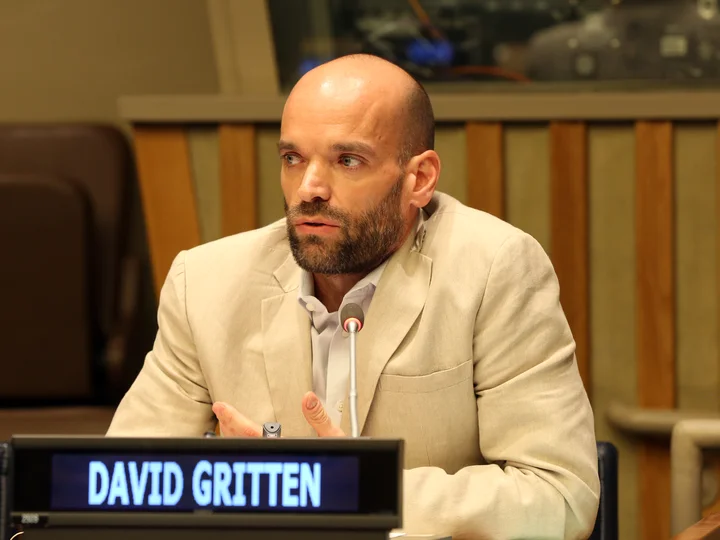
David Gritten attempts to use RECOFTC's recent briefs about forest governance in the Greater Mekong Subregion to explain his job to his grandparents.
Talk of the forest
The Nation, a Thailand based newspaper, covers the important themes of the 2018 People and Forest Forum.
Perspectives
Voices for Mekong Forests (V4MF) project has been promoting stronger forest governance in the Greater Mekong Subregion (GMS) by strengthening non...
Talk of the forest
Mayumi Sato reflects on the 2nd Mekong Regional Land Forum and what it means to have gender equality align with sound land governance policies.
Latest project updates
Show all updates
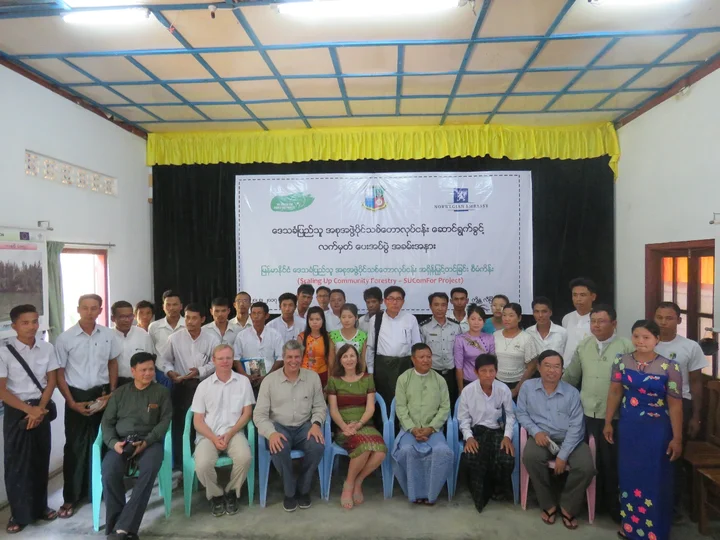

This 5-year project aims to strengthen the voices of non-state actors (NSA), including civil society, Indigenous Peoples and local community groups, to improve forest governance, sustainable forest management and the contribution of forests to development of Mekong countries. The project recognizes that for forests to be sustained, forest landscape governance must be based on principles of inclusivity, requiring effective NSA participation.
Project details
Duration
Location
Cambodia
Lao PDR
Myanmar
Thailand
Viet Nam
Donors
The European Union (EU)