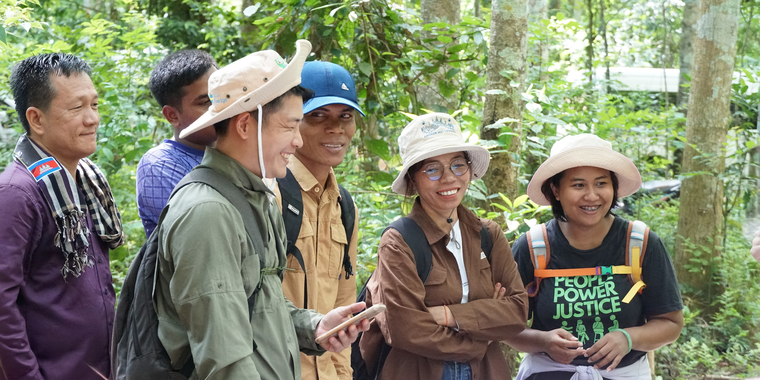
‘Participation’ is a fundamental principle of natural resource governance and is often preceded by an adjective such as ‘effective’ or ‘meaningful’, or paired with another important principle, as in ‘participation and inclusion’.
In the context of RECOFTC’s work, effective or meaningful participation involves providing ethnic groups, Indigenous Peoples and local communities with access to relevant information so that they are able to influence decisions pertaining to their natural resources. It goes beyond numbers of people participating or consulted.
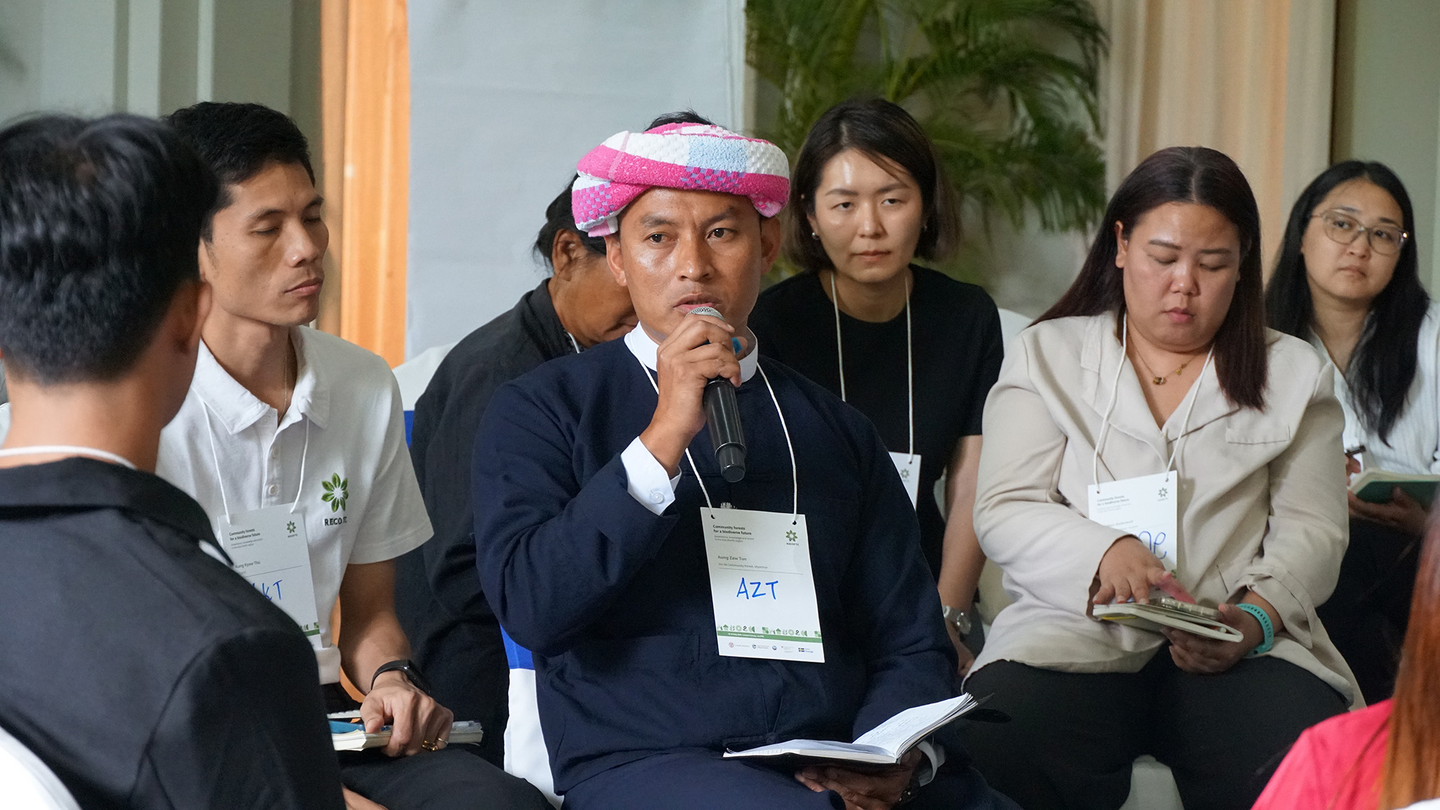
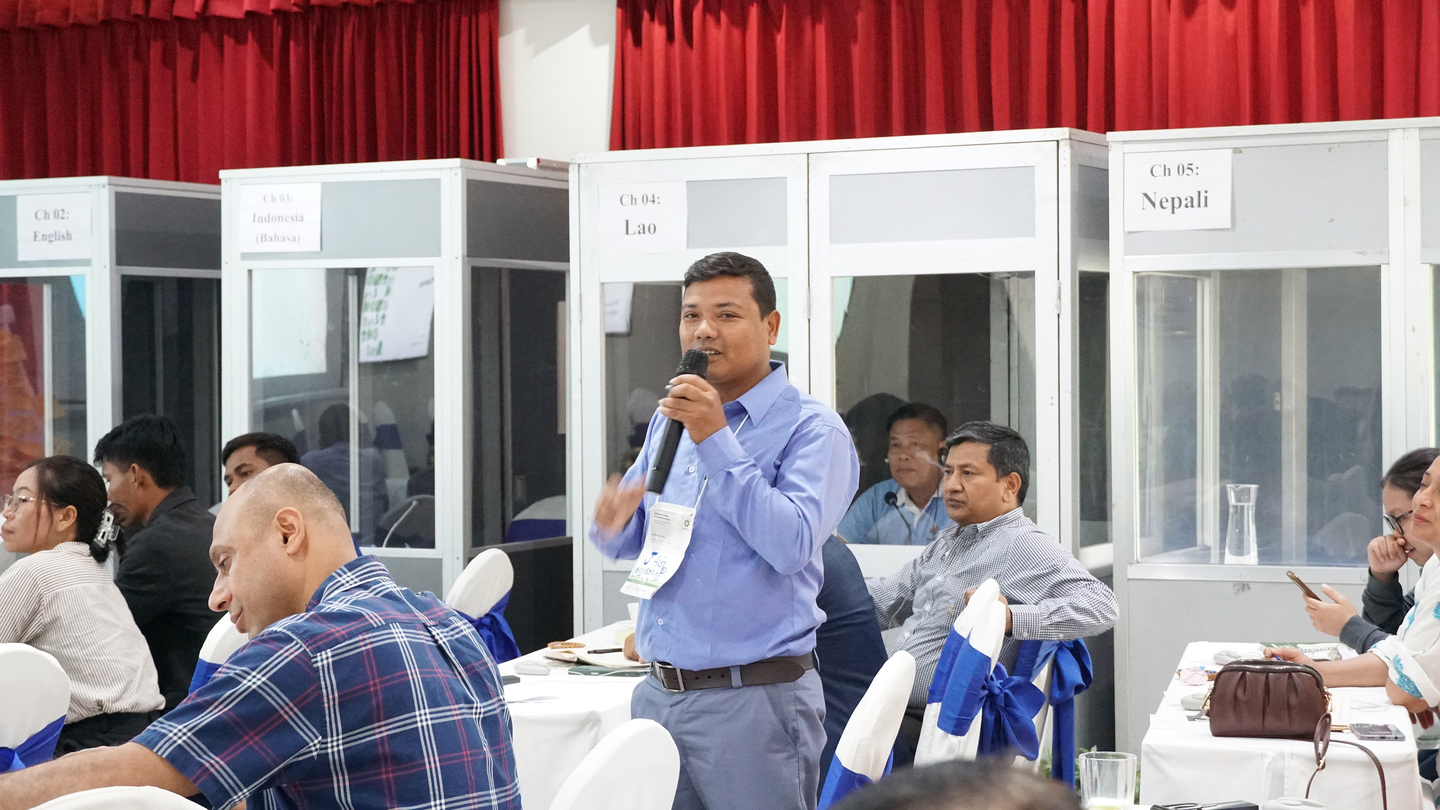
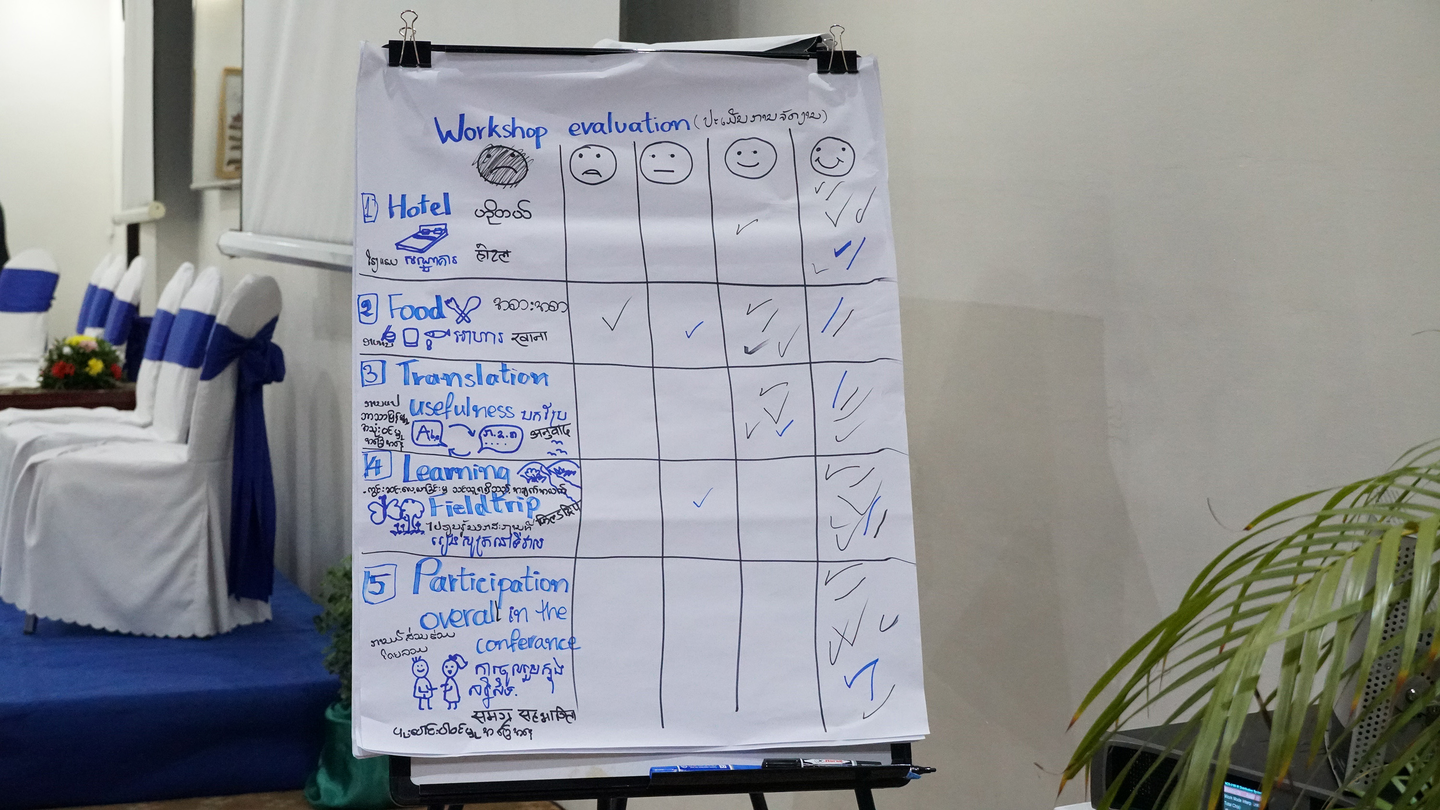
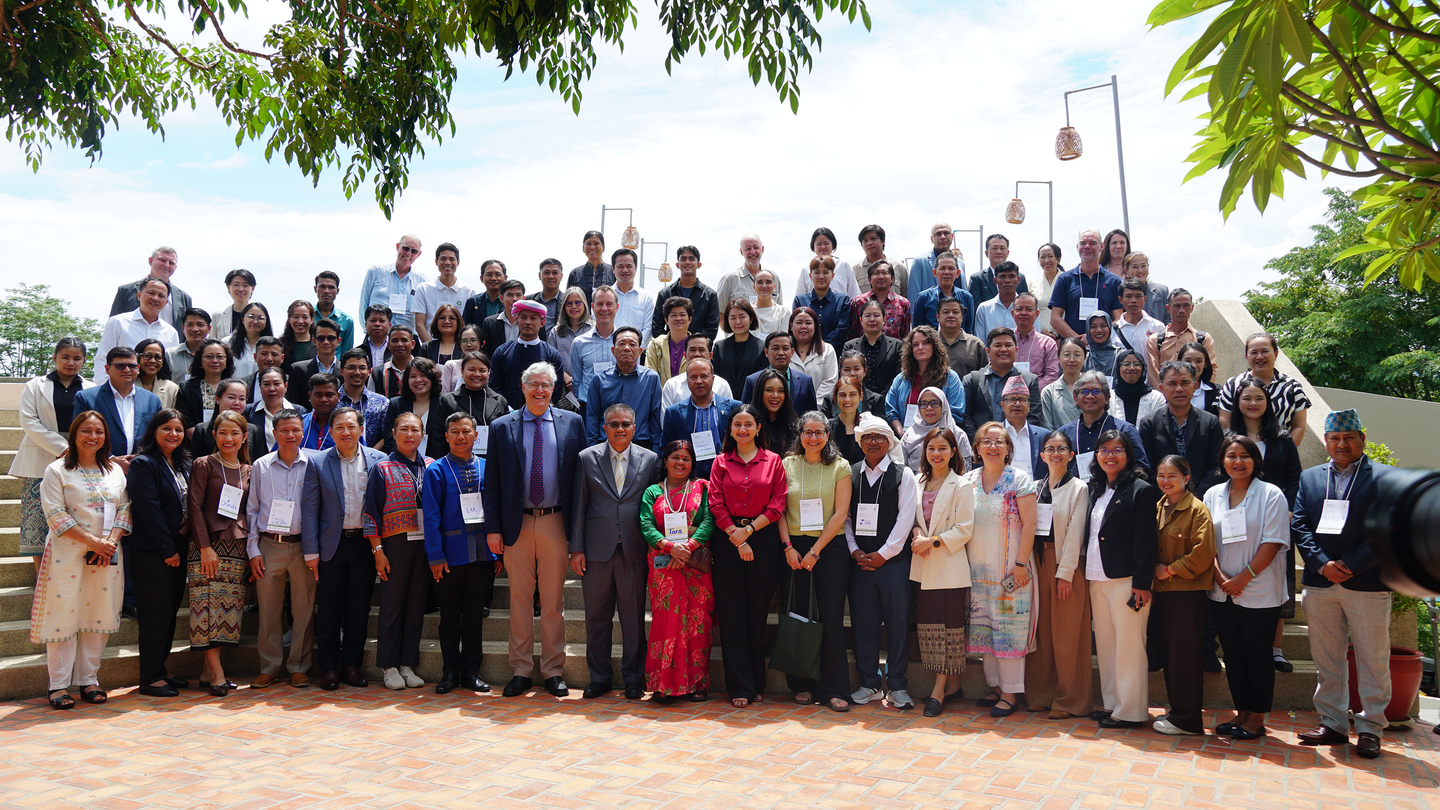
At our ‘Community forests for a biodiverse future’ conference organized in May 2026, we put the principle of meaningful participation into practice. Based on this experience, I have distilled some lessons in what it really takes to achieve this in the context of knowledge-sharing events.
Designing for community leadership
It started with designing a conference that would amplify community voices and share the successes and lessons of communities integrating biodiversity into their community forests. We also invited researchers, practitioners and policymakers, so that there could be a genuine exchange of information among them and community members.