Menu
Stories
Practitioner's insights

Youth guardians' forestry advocacy wraps up, but youth mission continues beyond project closure

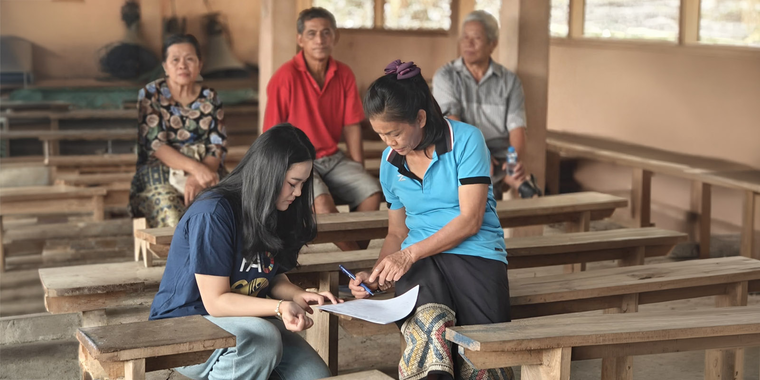
Lao youth guardians conducting interviews on forest fire

In August 2026, youth volunteers in Cambodia organized their final community awareness activity in Kampong Thom province, promoting messages on the benefits of forests for nature-based tourism and forest recreation. This event marked the conclusion of a series of youth-led outreach efforts carried out across Cambodia and Lao PDR.

The campaign officially culminated on International Youth Day, 12 August 2026, when participants from both Cambodia and Lao PDR took to social media to celebrate their volunteerism, leadership and solidarity under the ‘Youth as guardians of the forests’ project.

Reflecting on their experiences as forest advocates, many called on more young people to join efforts to protect forests and natural resources as today's guardians and tomorrow's leaders.

Over the six-month campaign, 34 youth champions organized six community-based activities that directly reached more than 400 community members. They also produced over 230 social media posts, generating more than 73,000 views and 11,000 engagements.
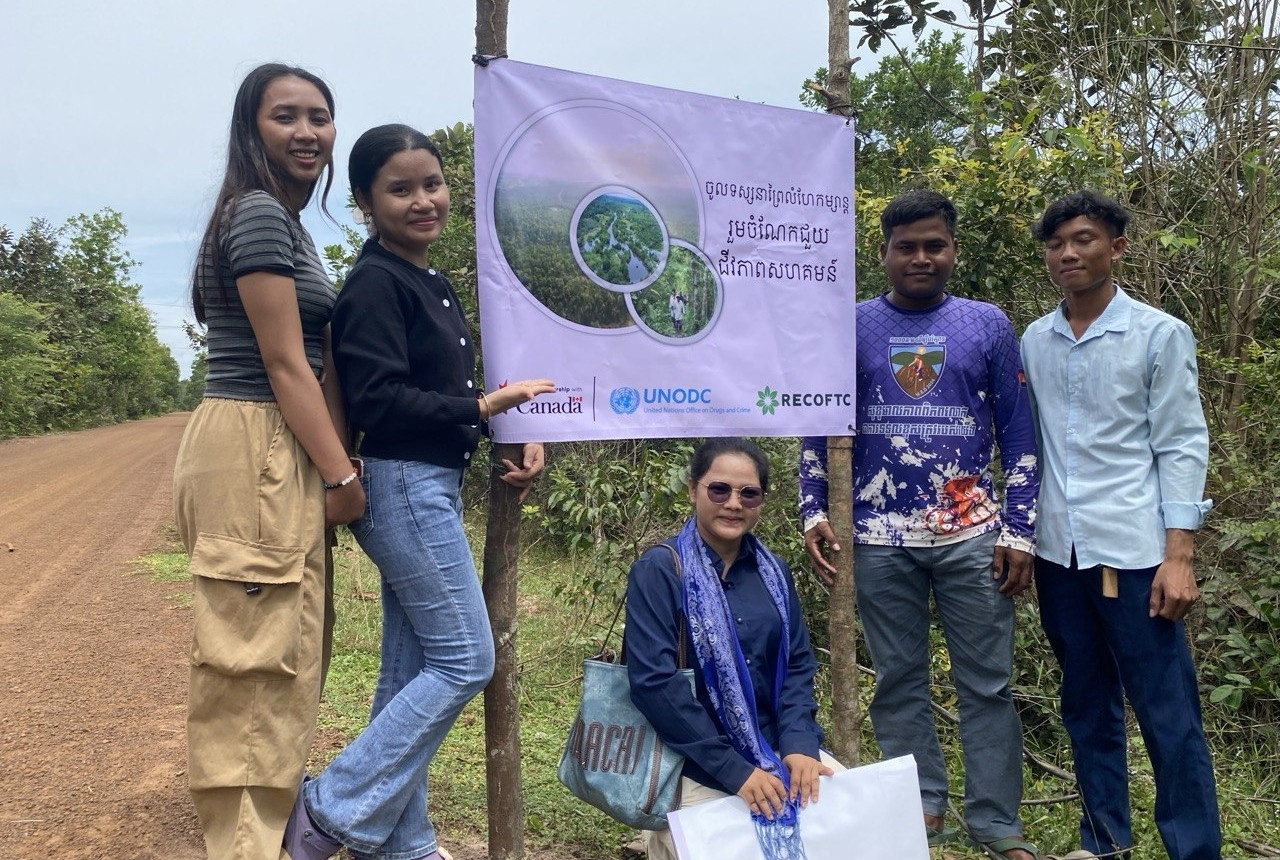
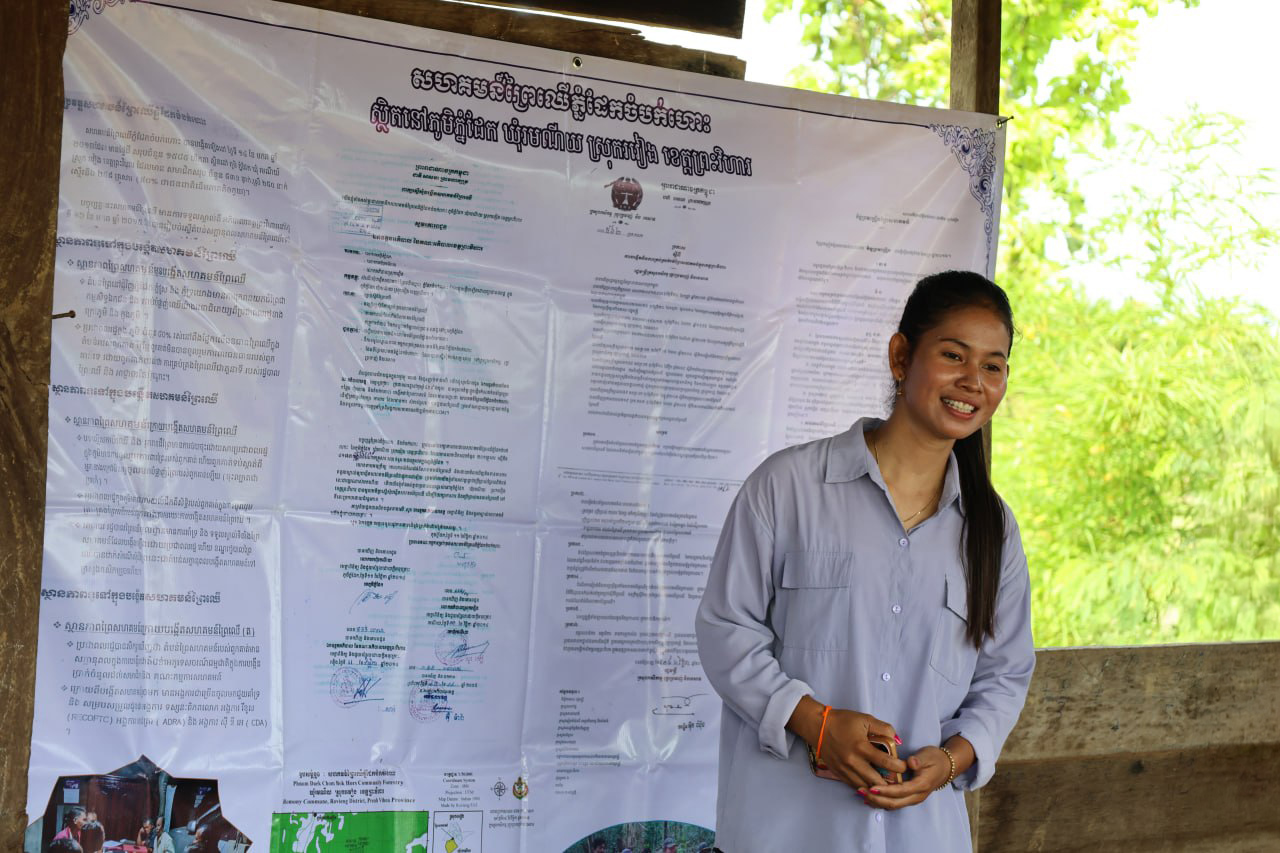
Cambodian youth guardian Ros Bora

A journey of learning and growth

When youth participants joined the project in early 2025, they brought diverse backgrounds and varying levels of knowledge about forestry issues. Most Cambodian participants were already involved in forestry and community-related work, with several serving on community forest or protected area management committees. Many Lao participants, on the other hand, were university students, studying forestry, rural development and environmental sciences. Others came with limited prior exposure to forestry but a strong interest in environmental protection.

Although they had such different starting points, the participants all shared a common journey of learning and growth. Through the ‘Youth as guardians of the forests’ project, they developed a deeper understanding of the vital role that forests play in maintaining ecological integrity, supporting rural livelihoods and community well-being, and contributing to sustainable development. They also gained greater awareness of the challenges facing forest-dependent communities and the urgency of addressing issues such as forest degradation and biodiversity loss.

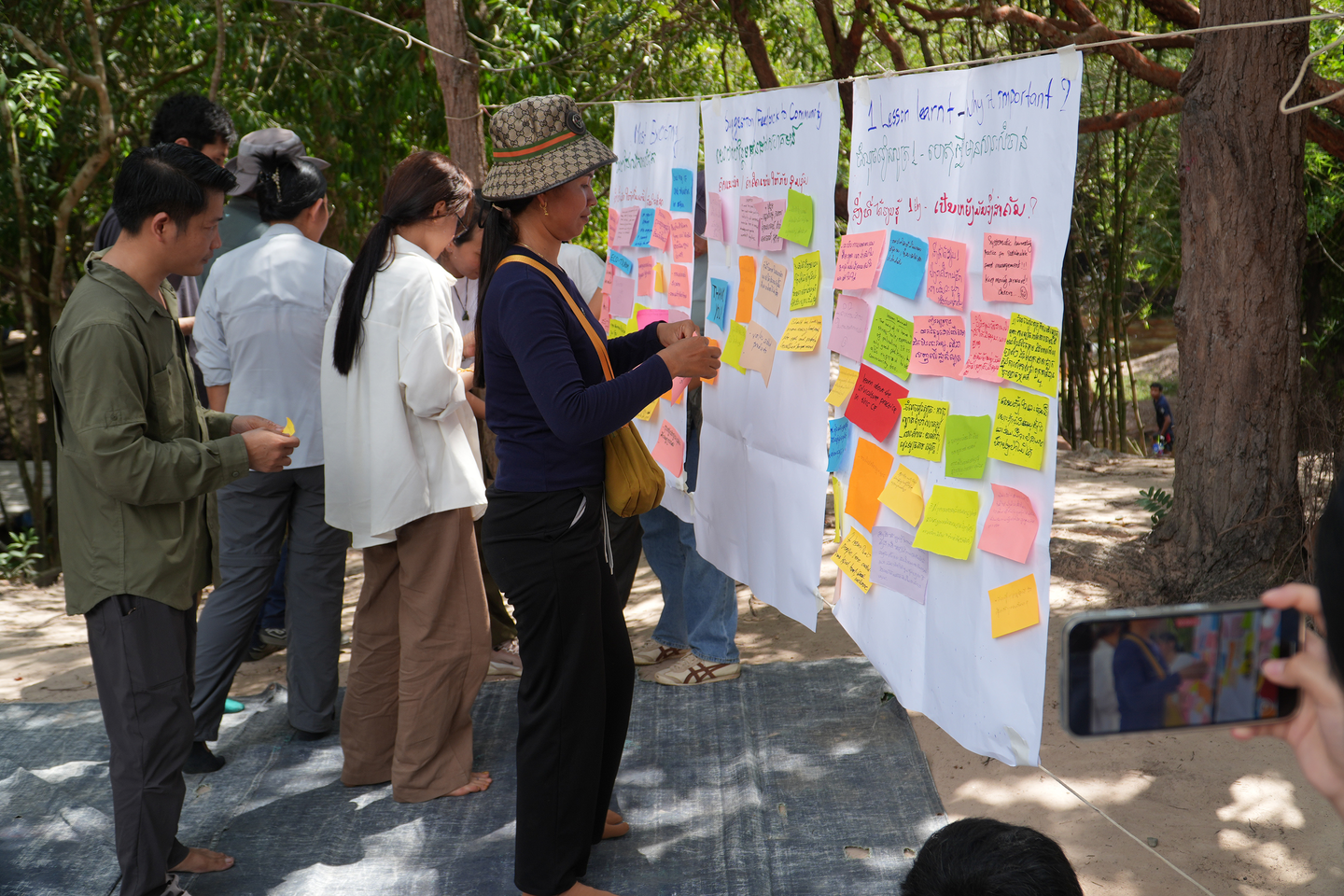
Cambodian youth guardian raising awareness at a community event

A key part of this learning came through direct engagement with communities, forests and local stakeholders. First-hand observation and practices in the field helped bridge the gap between theory and reality. This learning approach was particularly valuable for participants less familiar with forestry issues. For many, the experience transformed forestry from an abstract concept or classroom subject into something closely connected to local contexts and real solutions. As Saythong Seevanha, a forestry student in Lao PDR, reflected, “Through the campaigns we conducted, working on community forest management showed me how the theories I studied actually play out in real life. Protecting a forest isn't just technical knowledge. It's also about listening to and working with people in the community.”

For participants already engaged in forest management, the project offered valuable opportunities to learn from different approaches and perspectives, encouraging them to look beyond their own communities, deepen their understanding of broader forestry challenges and explore new ideas that could strengthen local conservation efforts.

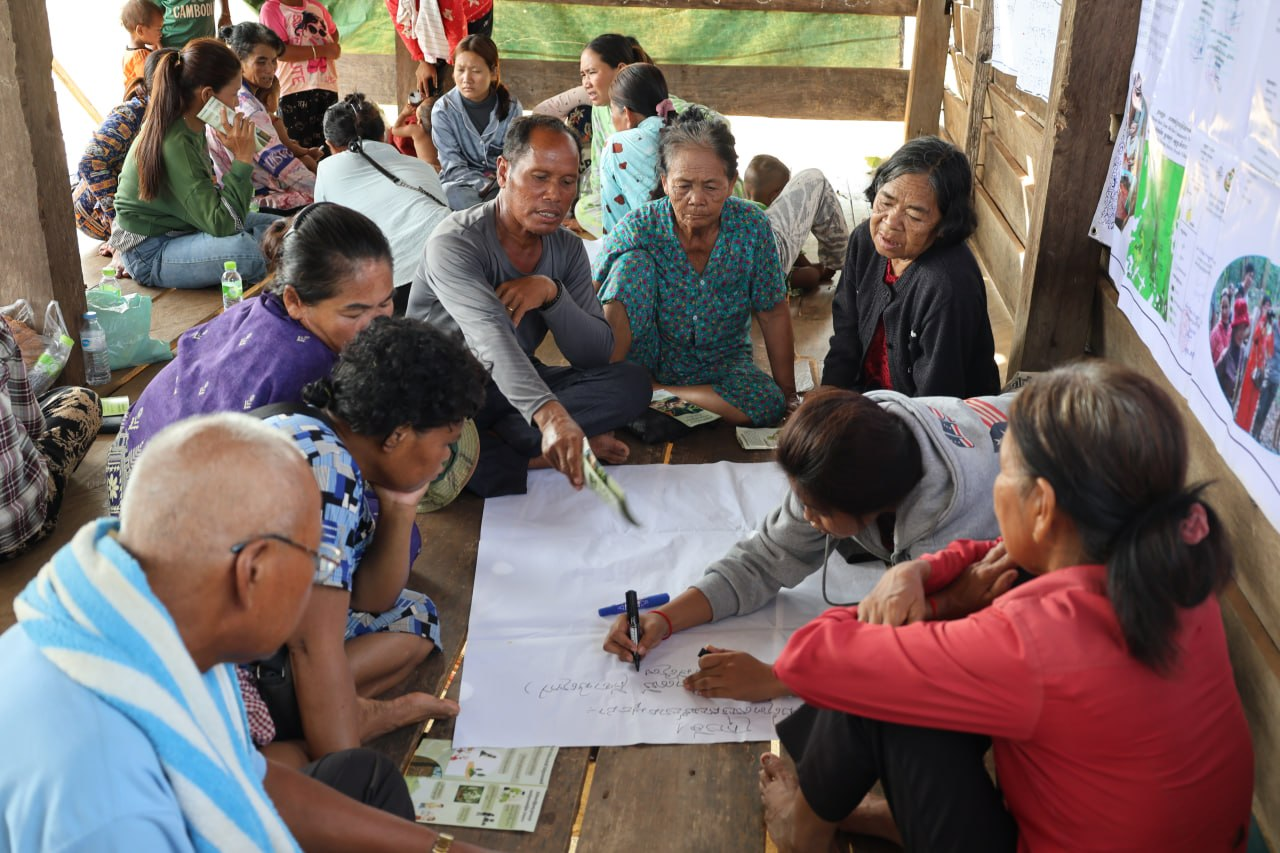
Cambodian youth (right) facilitating a community discussion on forest fires

Participants also developed practical communication skills and learned how to identify issues, communicate with different audiences, foster meaningful dialogue and encourage positive changes in attitudes and behaviours. For Sorm Lisa, a community youth in Cambodia, these skills opened new opportunities to engage with others. She went from never having led a public discussion to facilitating conversations with community members during campaign activities. She shared with us, “I’d never imagined myself taking on such a role.”

Youth voices and action driving change

Equipped with new knowledge, skills and – more importantly – confidence, participants shared their learnings and journey with wider audiences. Through various channels and formats, youth brought local realities and conservation issues into broader discussions such as in provincial, national and regional events.

At the youth leadership session organized under a regional biodiversity and community forestry conference, You Dara, a Cambodian youth, shared his knowledge and experience in community forest management, advocating for greater community engagement. “It is essential to involve communities, especially youth, in forest conservation efforts,” he said.

Youth also used social media to promote sustainable forest management and wildlife conservation and their importance to local livelihoods. In Lao PDR, Bounmy Thammavong, a university student studying English, turned forest knowledge and complex environmental issues into engaging social media content. He created posts, photos, reels and reflections to “encourage more young people to care about our forests”.

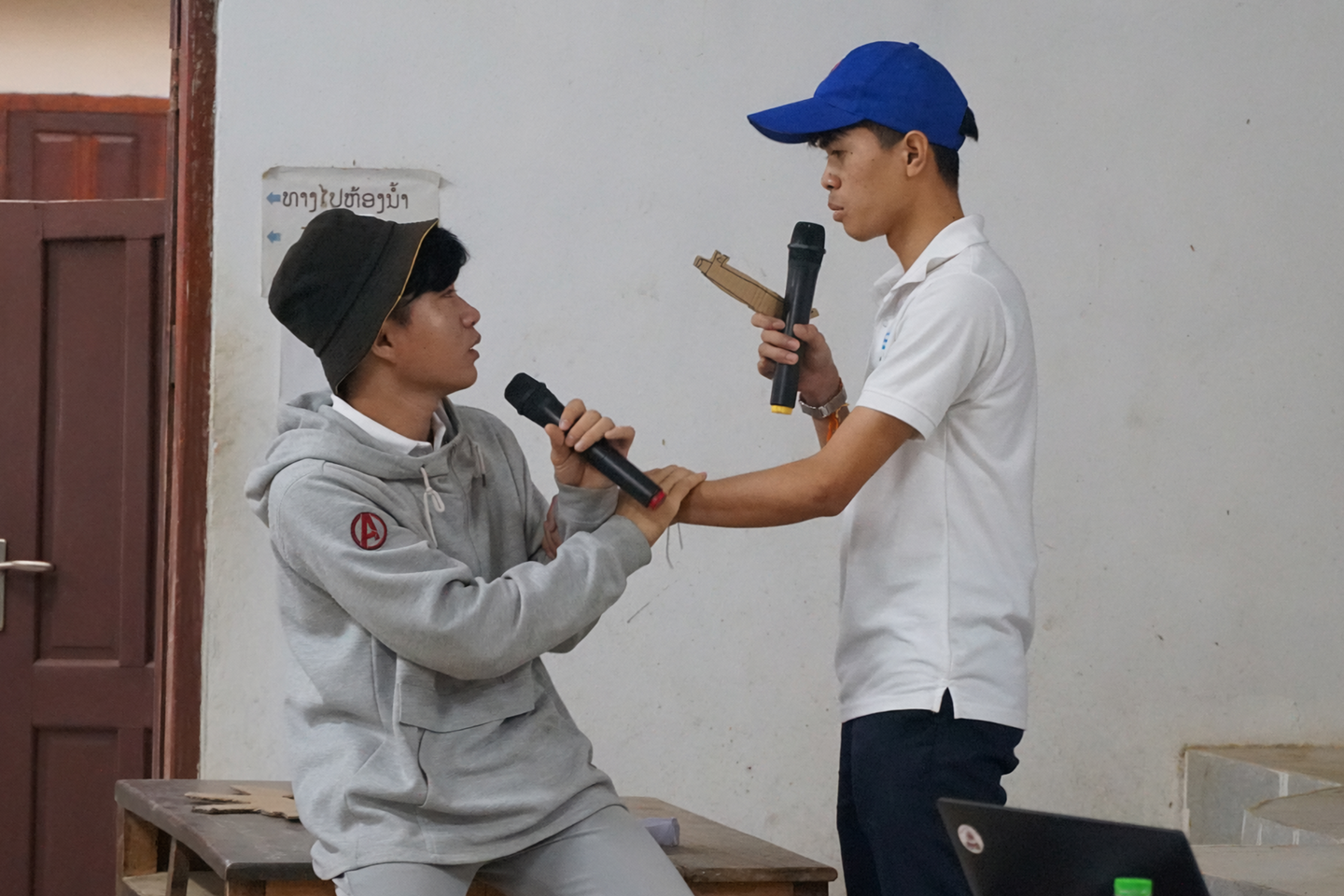
Lao youth promoting wildlife conservation through role-play at a community event

At the community level, youth voices helped translate awareness into action. In Trapeang Tortim, Cambodia, Kun Channy and her campaign team focused on forest fire prevention. Through a youth-led awareness event, Channy facilitated a discussion around the causes and impact of forest fires and practical ways to reduce risks. Participants committed to reporting fires and becoming more engaged in fire prevention efforts.

Building connections beyond borders

Within Cambodia and Lao PDR, participants spent nearly two years learning and working together. These peer learning and mutual support have helped build networks among youth volunteers. For Long Pisey, a community facilitator with a Cambodian NGO, one of the most valuable outcomes was connecting with fellow community practitioners from different organizations and locations. “These relationships form a network we can call on for information, advice and mutual support,” she said.

Youth participants at the youth forest camp

For many participants, the exchanges organized by ‘Youth as guardians of the forests’ broadened their horizons and exposed them to new ideas and approaches. Tikso Sayalub, from Lao PDR, particularly valued joining the youth forest camp, where he met youth from Cambodia and other countries. As he reflected, “We shared our challenges and ideas on forest conservation, and learned from how others took action in their communities. These connections showed me that we share similar obstacles and the same passion for protecting forests. We are not working alone.”

The journey goes on

Some participants have begun engaging with a wider network of youth leaders, forestry practitioners and development partners through regional events organized by RECOFTC and partners. While still at an early stage, these relationships have created a foundation for continued learning, exchange and cooperation. More importantly, they have helped participants realize that they are part of a broader community of young people working towards a common goal: protecting forests and supporting the communities that depend on them.

Lao youth Palisa Oun-anongnouth recently organized an environmental awareness session for primary school students in her community. Although the activity was not part of the campaign workplan, it reflected what she had learned from the project. Hoping “to inspire younger generations to care, take action and become part of the solution”, she used creative videos and fun activities to show children why protecting forests and wildlife matters and what should be done.

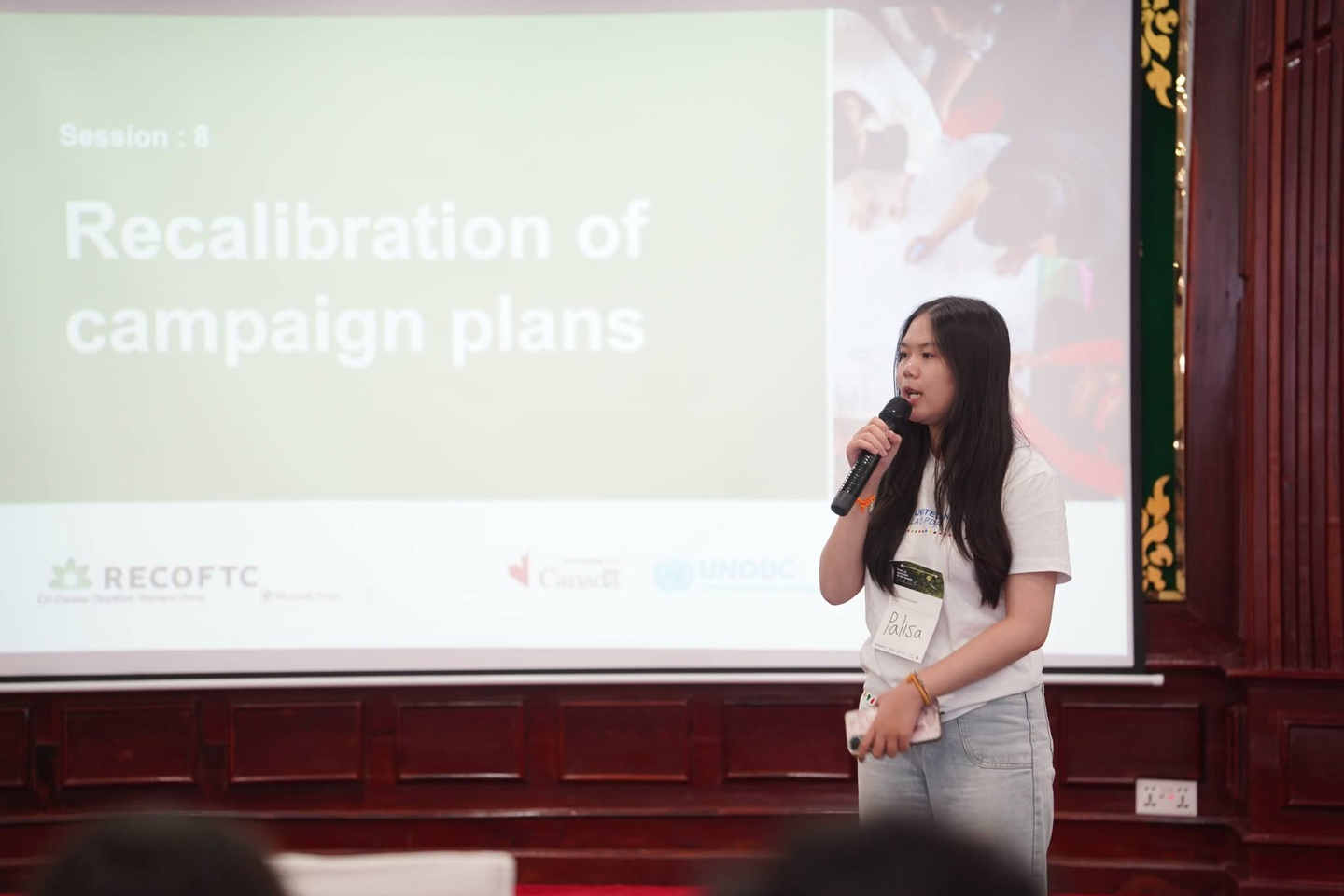
Palisa Oun-anongnouth speaking at the youth camp

Her initiative reflects a broader pattern among project participants. Across Cambodia and Lao PDR, many youth have expressed a desire to continue contributing to forest conservation after the project. Some plan to continue sharing conservation knowledge through education, social media and volunteer activities, while others are applying what they learned to strengthen community forestry and natural resource management. Inspired by other communities, Ros Bora, from Cambodia, is working to improve the management of her community's forest credit scheme. “I want to introduce digital tools to improve efficiency,” she said of her future plans.

In the years ahead, the forests and communities will continue to face challenges. Yet the youth now have stronger knowledge, practical experience and a growing network of committed peers to rely on. As they continue to learn, collaborate and act, Cambodia and Lao PDR youth are proving that young people are not only the future of conservation, but an important part of its present.

###

Lu Qian is a communication and project support coordinator (on a secondment from APFNet) at RECOFTC; Dy Vutheara is communication officer at RECOFTC Cambodia; Chinda Milayvong is deputy country director of RECOFTC Lao PDR; and Soumaly Sisouthammouny is an communication and monitoring, evaluation and learning intern at RECOFTC Lao PDR.

The ‘Youth as guardians of the forest’ project aims to create a new generation of forest guardians in Cambodia and Lao PDR. It focuses on enhancing youth awareness about forest conservation, wildlife and forest crimes and sustainable forest management practices. It is supported by the United Nations Office on Drugs and Crime (UNODC) through funding provided by the Government of Canada. 


Story details

Geographic focus
Regional