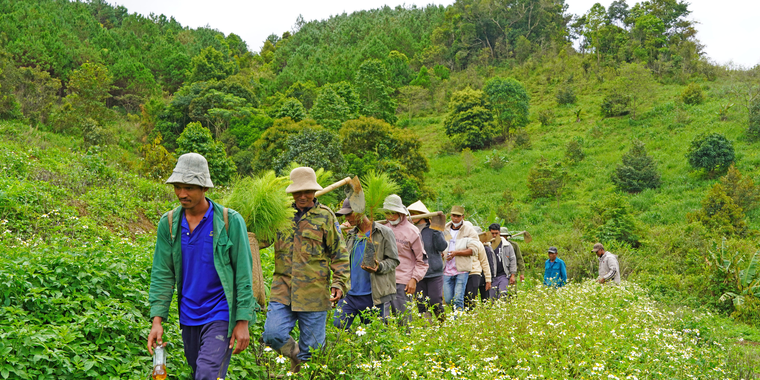
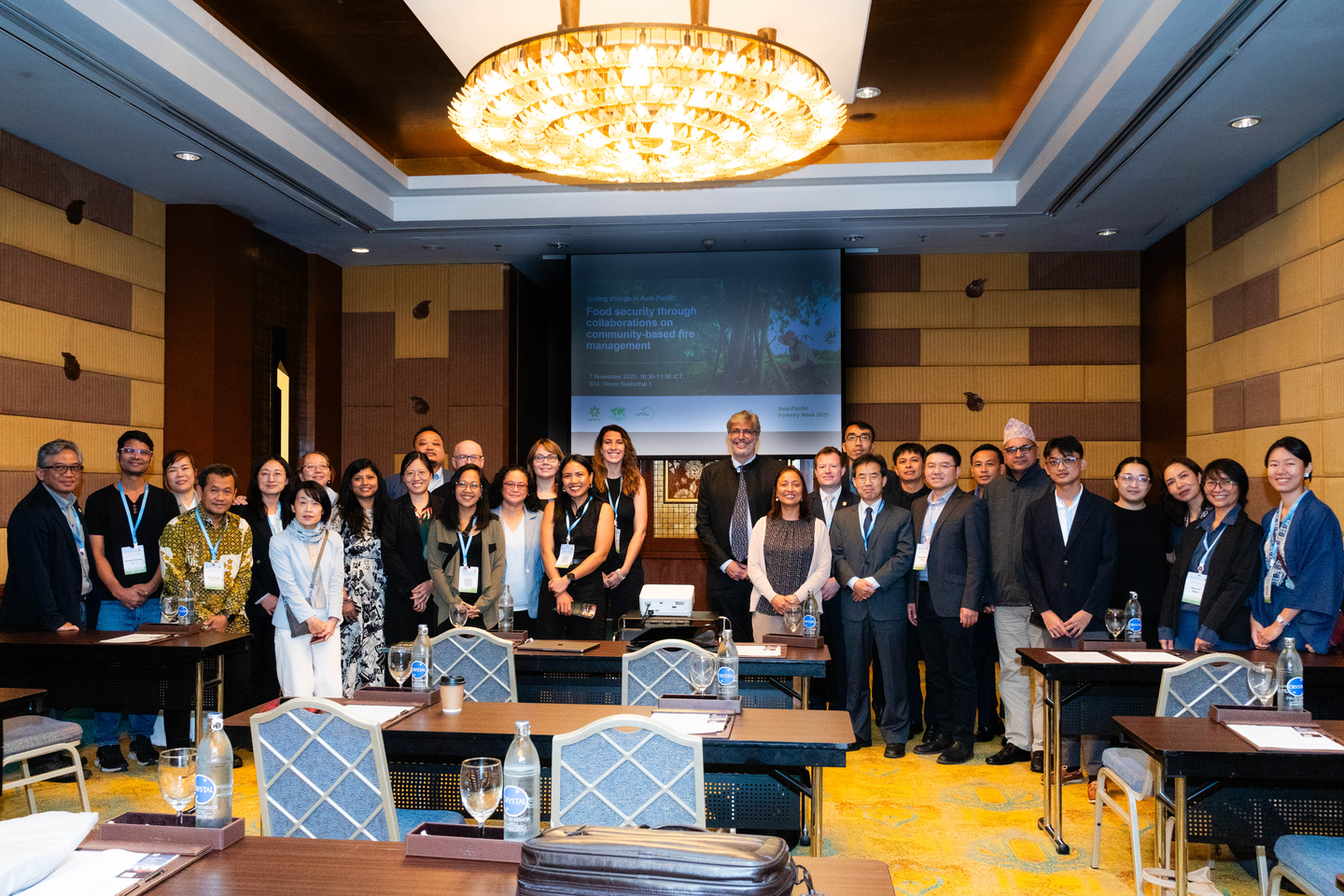
There is consensus that organizations working at the intersection of forests and people must join forces to strengthen prevention, preparedness, response and recovery to safeguard the forest and food landscapes on which millions depend.
“With solid guidelines, practical tools and committed partners such as APFNet, RECOFTC and ITTO, we must turn collective ambition into concrete action that empowers communities to address forest fires,” said Philippe Brunet, head of the Swiss Agency for Development and Cooperation’s Regional Thematic Hub in Bangkok.
“Forest fires profoundly affect communities, biodiversity, air quality and the climate. They are also a major source of pollution in the Mekong region. This is why Switzerland is deepening its engagement – globally and here in Southeast Asia through our long-standing partnership with RECOFTC,” he said. “Together with Germany and France, we are launching a new regional programme to address air pollution from agricultural burning and forest fires, in support of ASEAN’s Haze Free Roadmap.”
Looking ahead
Healthy forests will feed the future, but only if communities are empowered to protect them. RECOFTC’s work shows that communities hold essential knowledge and have a lot at stake. They need enabling policies, regional cooperation and global technologies behind them.
Our event recognized that fire management cannot be separated from food systems, migration, health, climate or local economies. As fires intensify across the Asia-Pacific, RECOFTC will continue to champion people-centred, community-led approaches, linking local solutions to regional platforms and global commitments.
##
Utsav Maden is communication and knowledge management officer at RECOFTC.
Our side event sat alongside wider RECOFTC engagements at APFW2025.