Menu
Coffee farmers in Viet Nam
Supporting growth of forest landscape-related businesses

Building stronger coffee businesses in Viet Nam’s Central Highlands

Coffee cooperatives and farmer groups in Lam Dong province are strengthening their governance and connecting with buyers and partners

Sustainable coffee businesses depend on more than good harvests. They also need strong organization, inclusive governance and equitable connections to markets.

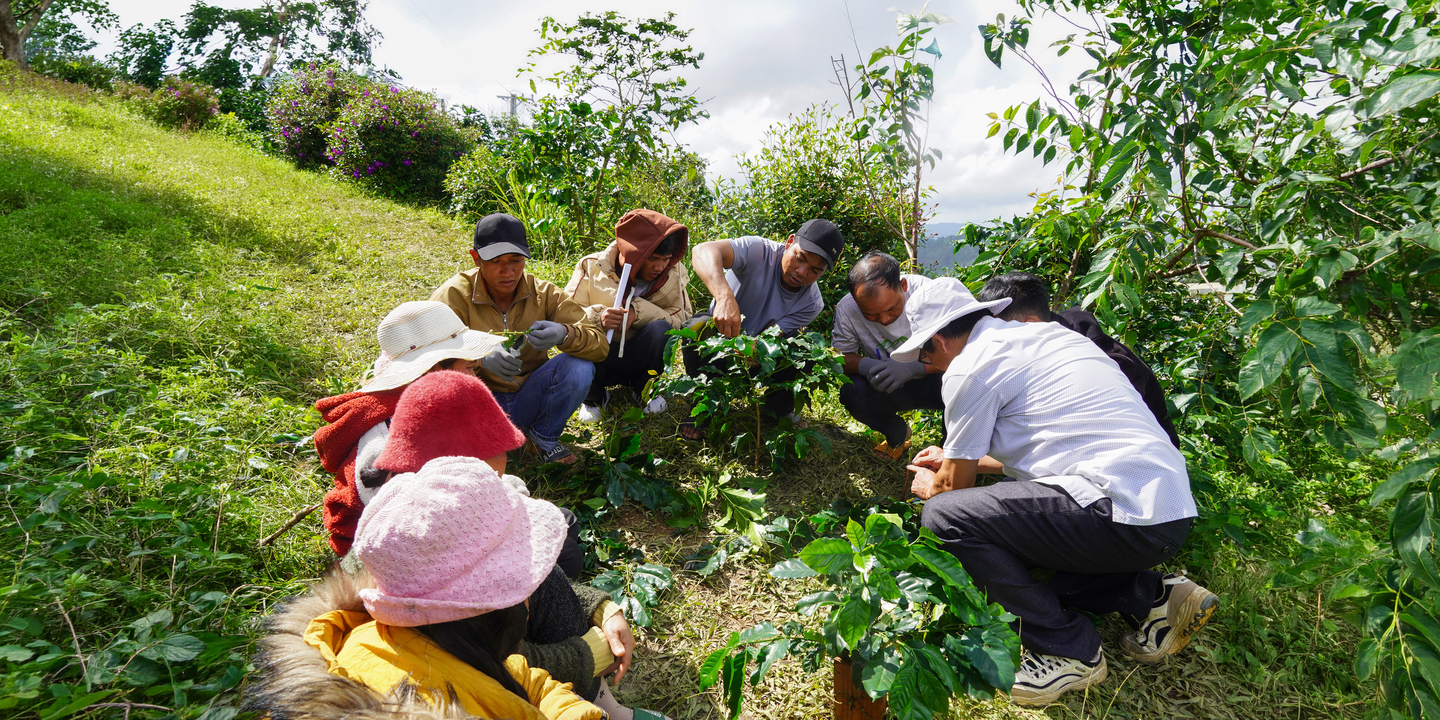
Since January 2025, RECOFTC has been working with two coffee cooperatives and three coffee farmer groups in Lac Duong, a district in Lam Dong province in Viet Nam’s Central Highlands. Together, we are working to strengthen their operations and expand opportunities for sustainable business.
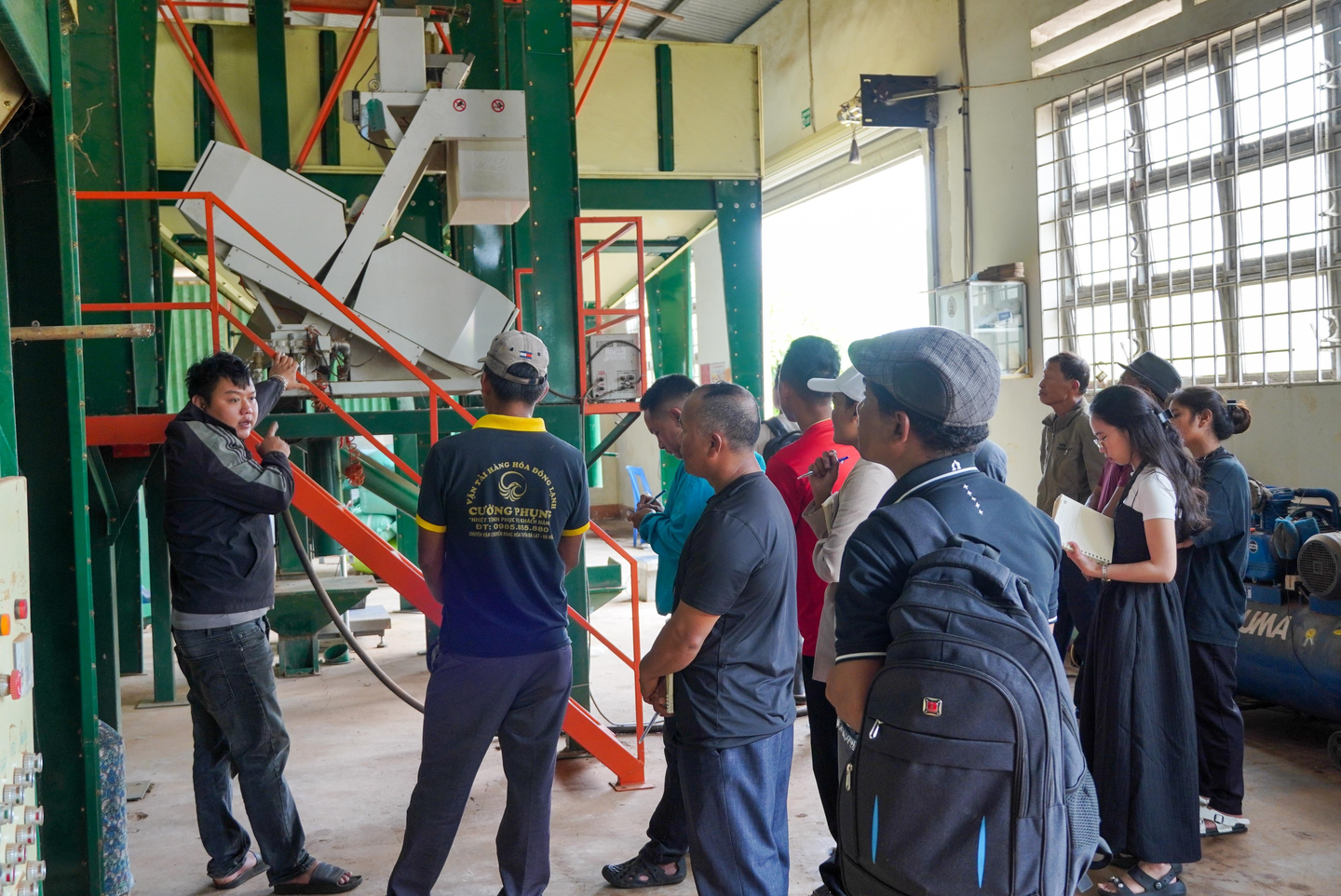
Coffee cooperative representatives visit a coffee processing facility in Dak Lak Province.

Strengthening coffee enterprises

Our capacity assessments identified common gaps: unclear roles and responsibilities, limited financial management and the lack of a structured approach to equitable benefit sharing or managing shared equipment.

Between February and March 2025, we helped the groups revise their internal regulations, clarify leadership roles, establish finance positions and introduce clearer systems for managing collective assets and distributing benefits. The revisions were led by the cooperative members themselves, ensuring that decision-making and asset management structures represented the interests of all members.

The result was a stronger organizational foundation for managing resources, making decisions collectively and engaging with potential business partners.

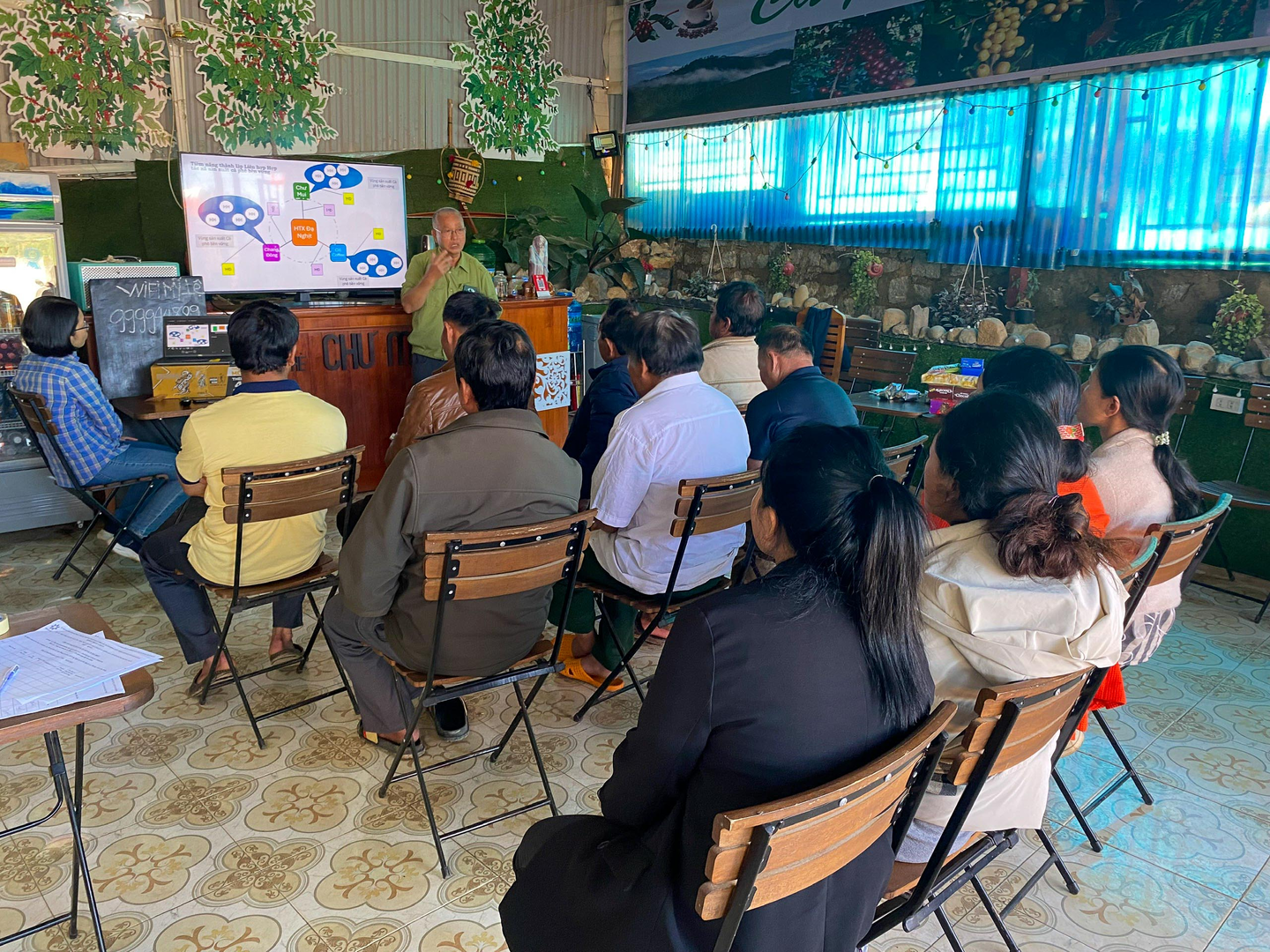
Coffee cooperative members attend a meeting about benefit-sharing mechanisms in Lam Dong province, Viet Nam.

Building business partnerships

Strengthening internal governance was only part of the process. Between March and September 2025, we organized two multi-stakeholder workshops in Lam Dong. These created an inclusive platform that brought together coffee cooperatives, government agencies, non-government organizations and private sector companies from Lam Dong and Dak Lak provinces.

For the cooperatives and farmer groups from Lam Dong, these workshops facilitated direct business dialogues and peer exchanges. One of them has led to an initial, informal trading agreement with a partner in Dak Lak.

With relationships now sustained through shared communication networks, the next operational step is formalizing these market connections.