Menu
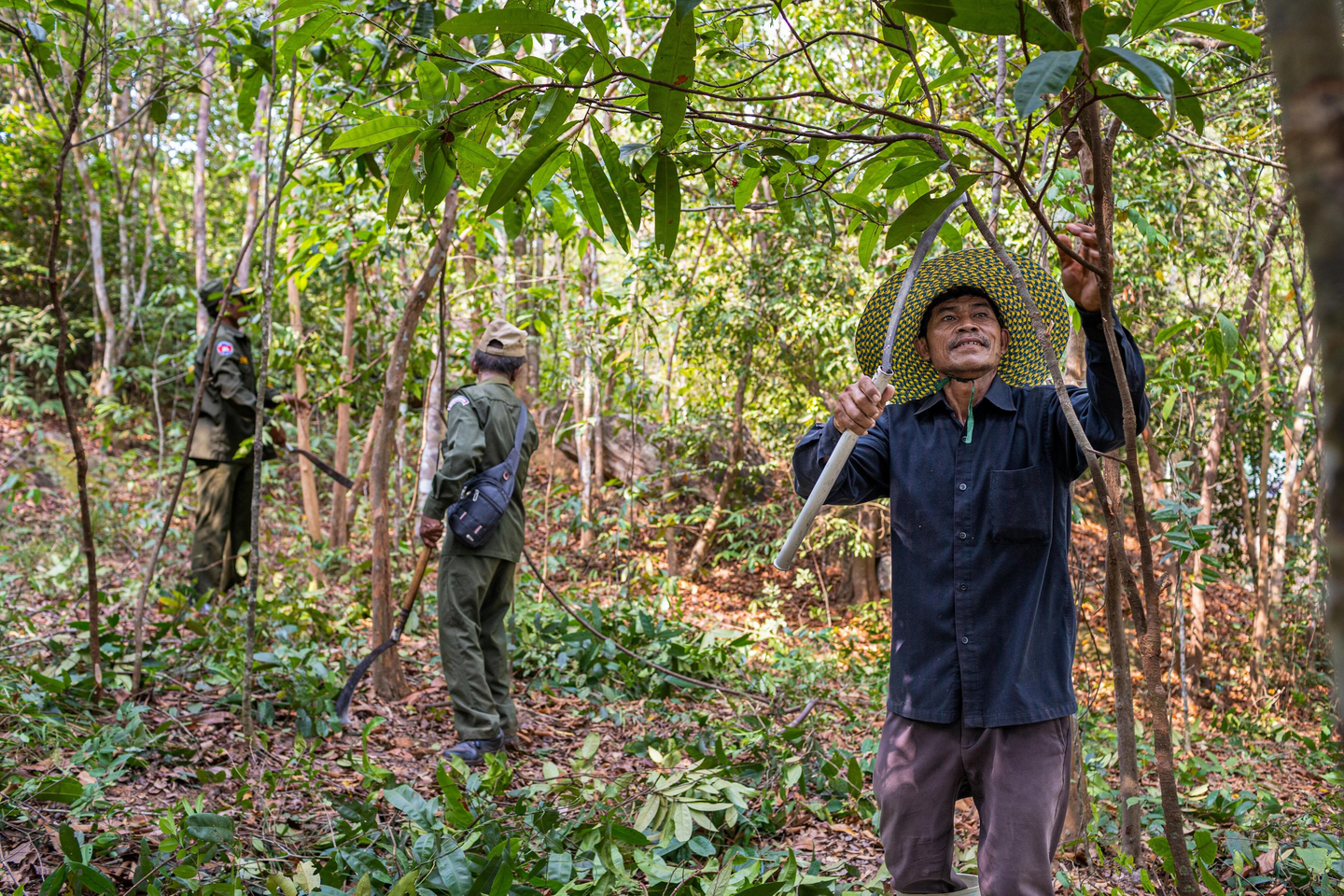
Men with tools stand in a forest in Cambodia.
Supporting growth of forest landscape-related businesses

From forest management to forest income

Cambodia's Trapeang Khbal Khmaoch Community Forest turns silviculture into a source of revenue

Community forests need resources to manage forests over the long term. In Cambodia, silviculture is emerging as one way to generate those resources.

By removing low-quality trees and managing forest structure, communities can improve future timber quality while legally harvesting products such as firewood and poles. The income generated can then be reinvested in forest management.

Investing in the forest

Since 2024, RECOFTC has supported community forestry groups in Kampong Thom province to assess opportunities for sustainable timber harvesting through silviculture. One of these communities is Trapeang Khbal Khmaoch Community Forest in Prasat Balang district, which manages more than 900 hectares of forest.

With our support, the community developed a business and investment plan for silviculture. The plan assessed whether forest products could generate enough income to cover operational costs and strengthen their community forest development fund (CFDF), which supports local investment for forest protection and restoration.
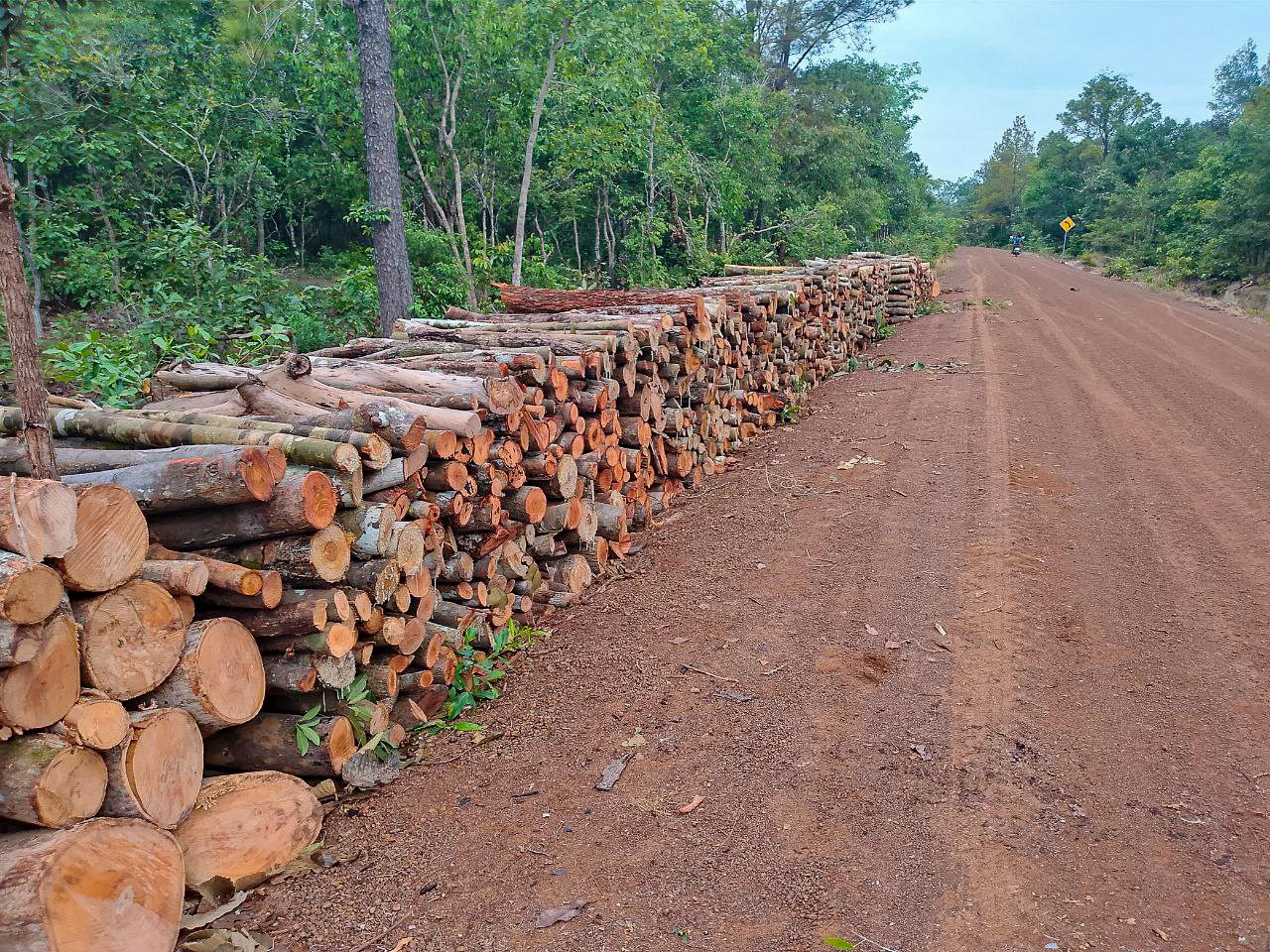
Logs stacked beside a road in a community forest in Kampong Thom province, Cambodia.

In 2025, the community implemented silvicultural treatments across 10 hectares designated for timber production, consistent with its management plan. The plan also sets aside separate zones for conservation and forest restoration.

The community identified areas for treatment, potential products for harvesting and benefit-sharing arrangements. The approach was simple: remove suppressed and low-value trees to support future timber growth while generating immediate income from legally harvested firewood and poles.

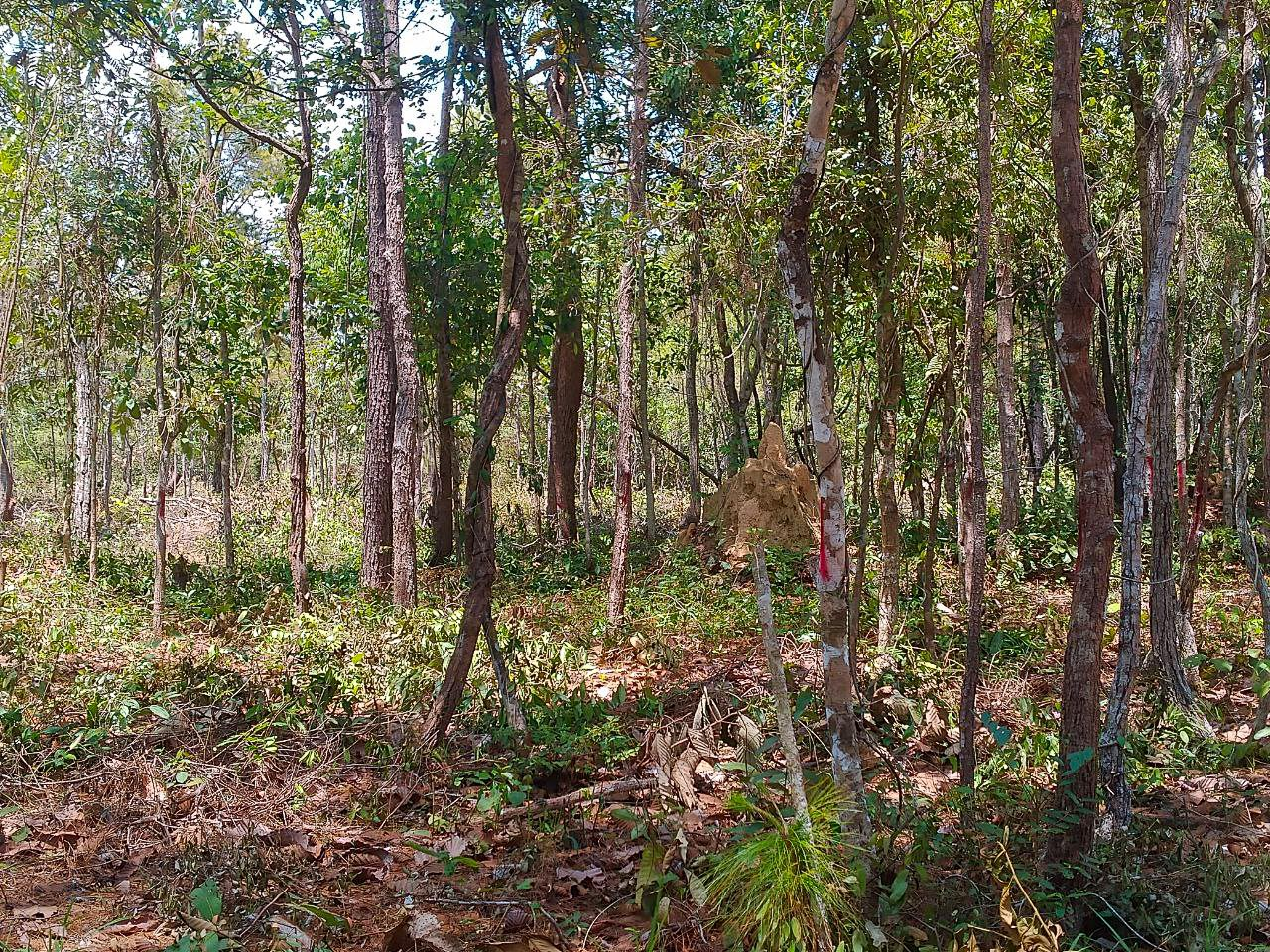
Trees marked for silviculture in a community forest in Kampong Thom province, Cambodia.

Building a working model

Implementing the plan required coordination with forestry authorities. We worked with the Trapeang Khbal Khmaoch Community Forest to navigate approval processes, including harvesting permits, transport documentation and reporting requirements. Today, it is one of the first community forests in Cambodia to legally sell firewood and poles generated through silviculture.

Between February and July 2025, the community generated approximately USD 1,713 (KHR 6.85 million) in revenue from the designated 10 hectares. After costs, it earned a net profit of approximately USD 296 (KHR 1.18 million), which was reinvested into their CFDF.

The amount was modest, but the experience demonstrated that silviculture can provide community forests with a practical source of income to support their own management. RECOFTC and Kampong Thom Forestry Administration Cantonment have since shared the experience with other community forests interested in developing similar approaches.