A pilot project in Lao PDR is testing how forest tenure recognition can better include women in decisions over forest land
In 2024, the Lao National Assembly passed Resolution 57. It allows communities residing in forest areas to receive land titles for permanent agricultural and residential land. For these new rights to be realized in practice, women must be able to participate fully in the decisions and planning processes that determine who holds and manages forest land.
However, women are largely absent from the forestry offices and village planning meetings where these rights are worked out. Even at the national level, women make up only around 10 per cent of foresters. Furthermore, only five per cent of them are decision-makers.
Turning rights into representation
Lao PDR's Ministry of Agriculture and Forestry has set a target of at least 20 per cent women in leadership and decision-making roles. However, there is a gap between this target and what still needs to be done to ensure women are positioned to plan, contribute to and lead actual forestry work.
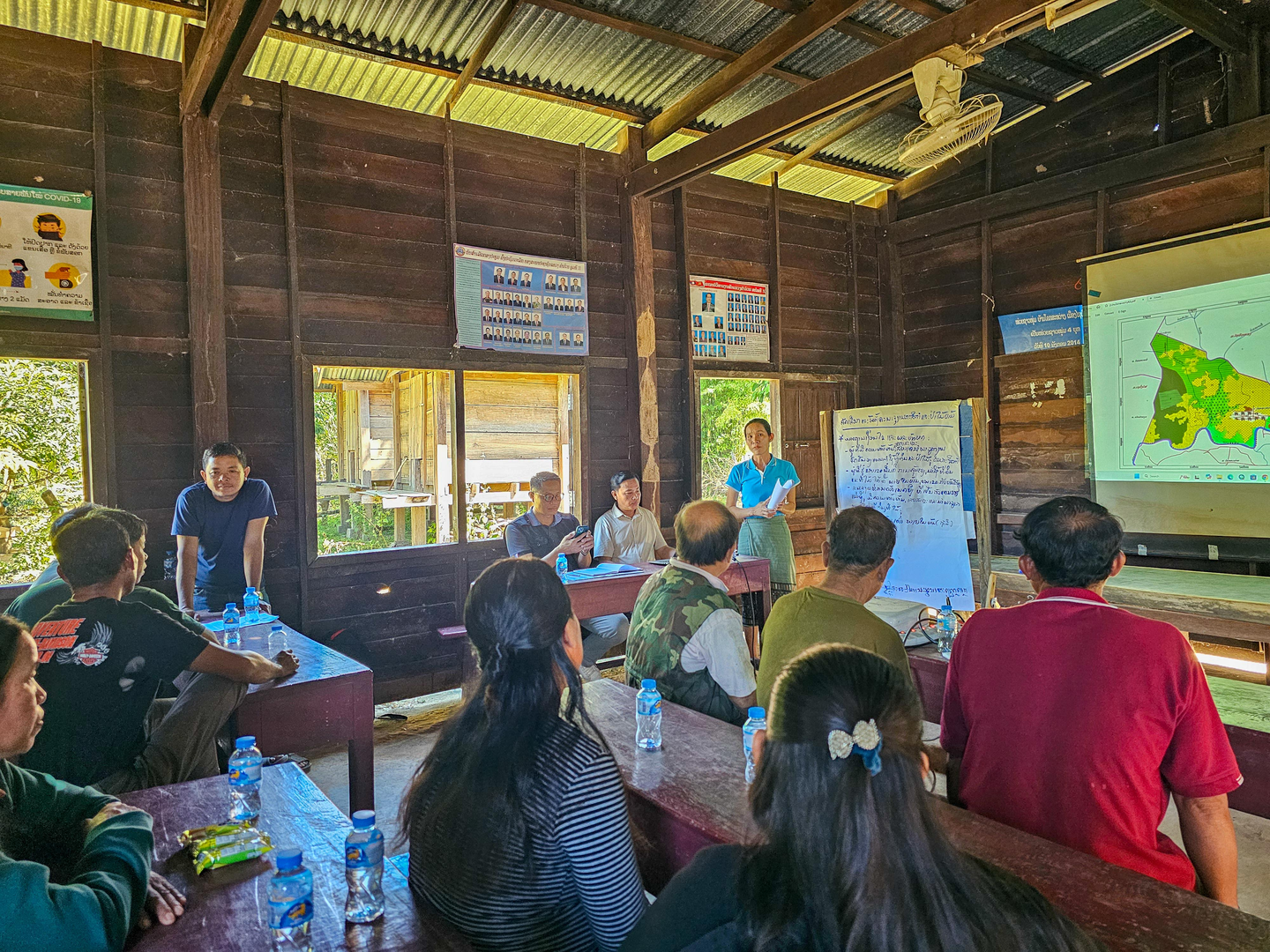
In 2025, RECOFTC worked with the Lao Women's Union and the Department of Forestry, the Department of Land and the Department of Agriculture Land Management to pilot gender-sensitive approaches to forest tenure recognition in Khoksavang village, Xaybouathong district. We did this through our partnership with the Mekong Regional Land Governance (MRLG) project.