
Menu
Chapters From development site to urban conservation area

Introduction

Ensuring forest landscapes provide climate solutions

Securing rights and inclusive governance

Supporting growth of forest landscape-related businesses

Securing finance for sustainable forest landscapes

Generating evidence for influence

  1. From development site to urban conservation area

Engaging the public on forest landscape issues

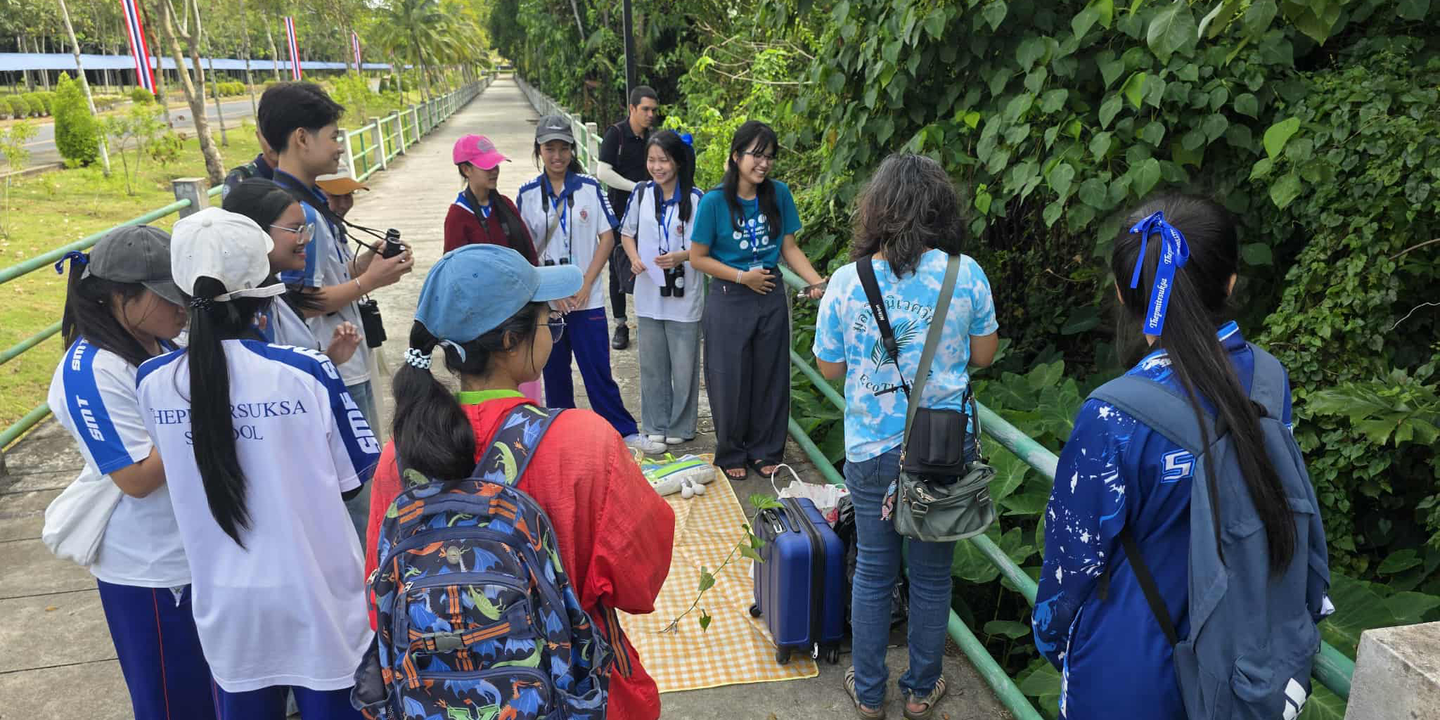
A biodiversity survey activity
Engaging the public on forest landscape issues

From development site to urban conservation area

A biodiversity survey helped convince a Thai university to conserve a rare urban peat swamp instead of building on it.

A 10-hectare freshwater peat swamp forest on the campus of Suratthani Rajabhat University was once earmarked for commercial development. Today, it is being conserved as a site for education, research and urban biodiversity.

Making the case for conservation

In August 2024, with land-filling already underway on parts of the site, RECOFTC approached the university and proposed a biodiversity survey. We had identified the university’s swamp lands through our “Urban resilience building and nature” project as one of the few remaining freshwater peat swamp forests within Surat Thani municipality.
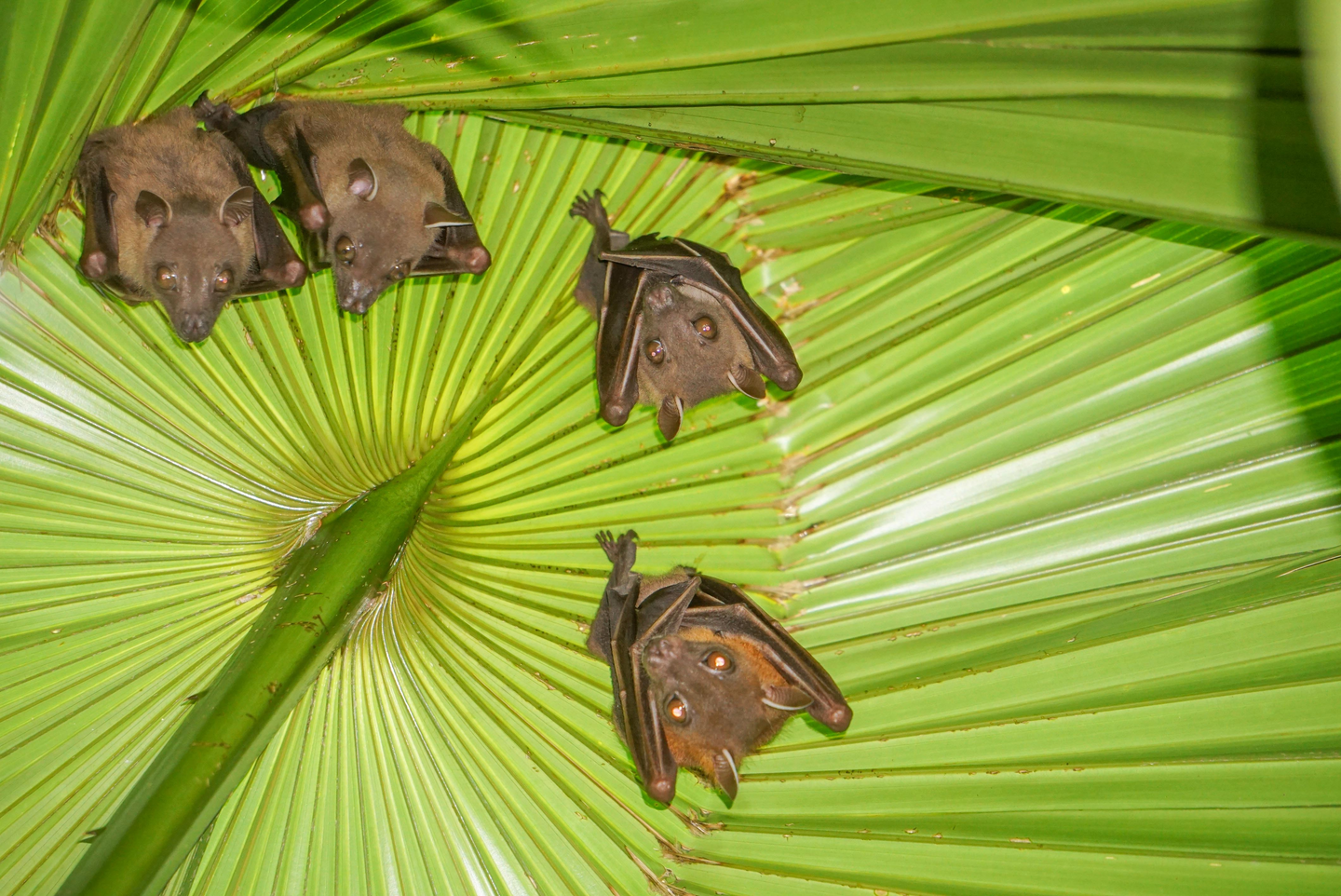
Bats recorded during the biodiversity survey in Thailand

Although peatlands cover less than 0.15 per cent of Thailand’s land area, they are among the world’s most carbon-dense ecosystems and provide important habitat for wildlife.

Evidence changes the outcome

Between November 2024 and February 2025, RECOFTC, university wetland ecologists and biodiversity experts conducted a joint biological survey. They recorded rare species such as the Amboina box turtle (Cuora amboinensis) and Kra Bak (Anisoptera costata), a towering rainforest tree. They also documented the swamp’s role in carbon storage, flood buffering and habitat for freshwater species.

The findings prompted the university to abandon plans for commercial development and conserve the peat swamp as a living classroom for students and the wider public. A proposal to establish the site as a demonstration area for nature-based solutions has since received approval.

Instead of becoming a commercial complex, the peat swamp will remain part of the city’s living ecosystem while serving as a living classroom for students and the wider public.

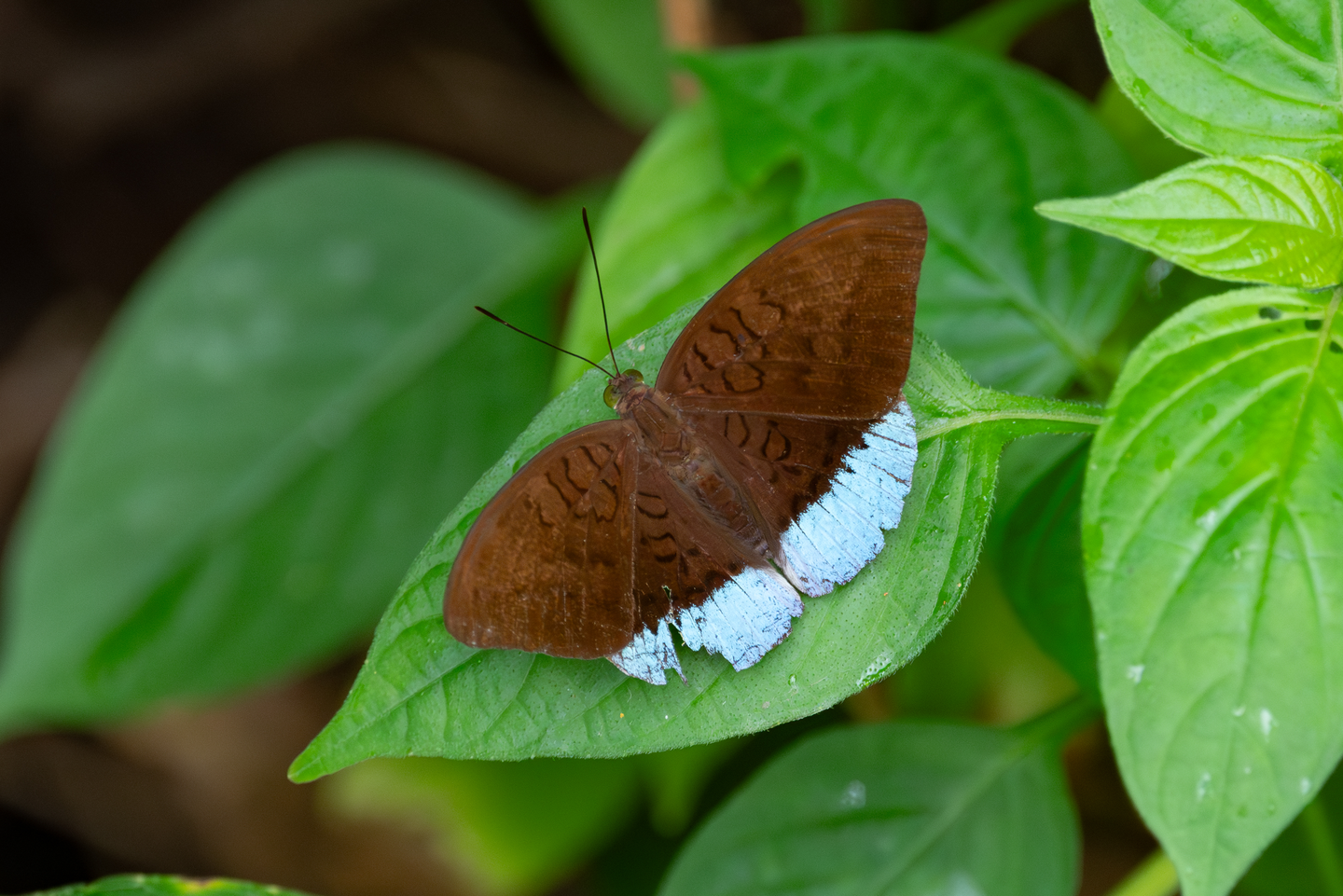
Butterfly recorded during the biodiversity survey in Thailand