Menu
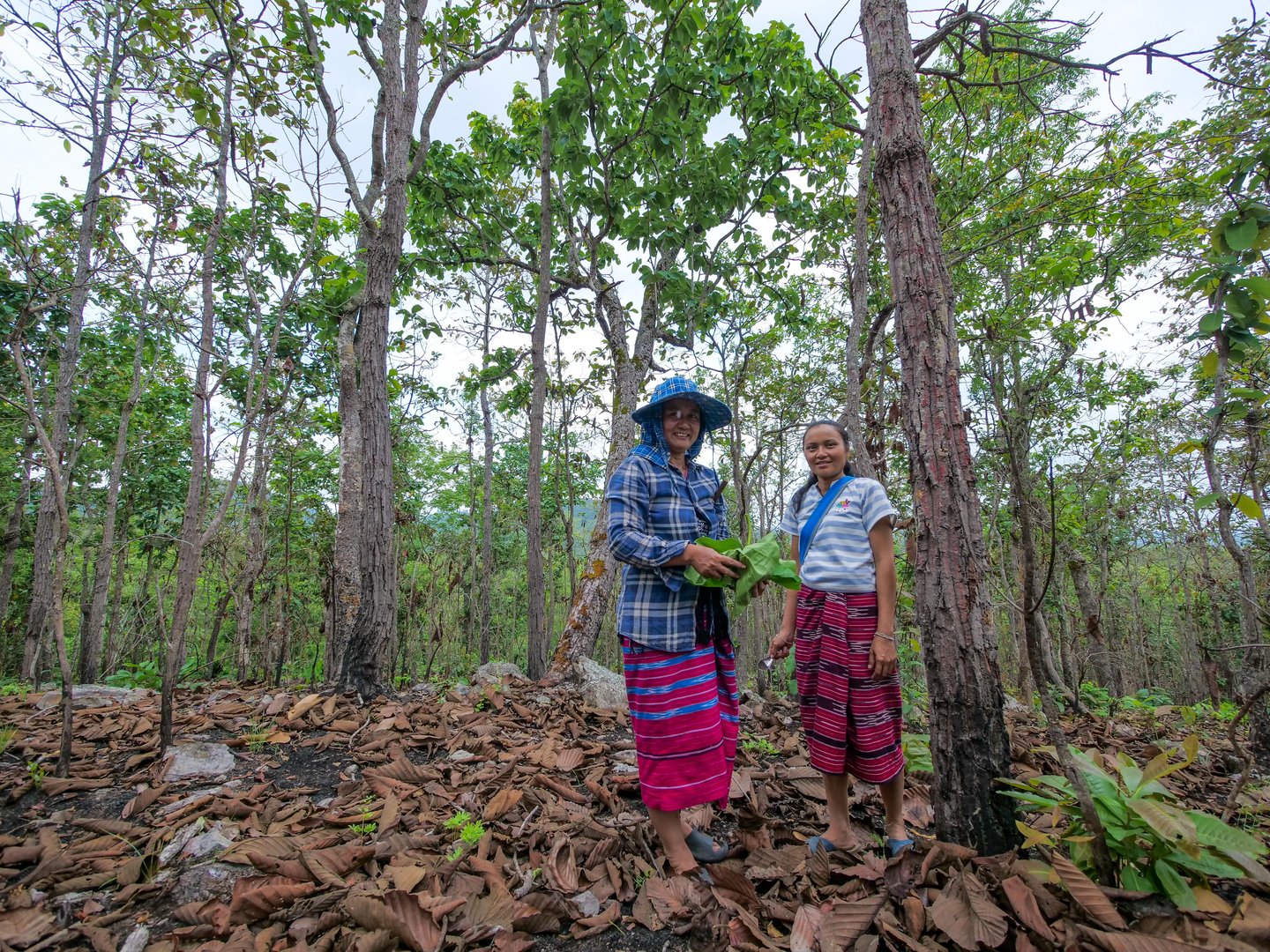
Community forest members monitoring biodiversity in Chiang Mai, Thailand
Generating evidence for influence

Chiang Mai’s community forests take ownership of biodiversity data

In northern Thailand, two community forests are using biodiversity data to strengthen forest management and prepare for future conservation opportunities

Local communities know their forests and the biodiversity within them. What they have often lacked is a systematic way to record their knowledge and use it as evidence. In Chiang Mai province, RECOFTC is helping community forests generate and manage their own biodiversity data, strengthening both forest management and community ownership of the information.

From local knowledge to community-owned evidence

Between April 2023 and March 2025, through the Darwin Initiative-funded “Strengthening capacities for biodiversity management in Thailand’s community forests” project, we worked with Pa Ngiew and Huai Bong community forests in Mae-On district to strengthen community-led biodiversity monitoring.

Community members learned about species identification, habitat observation and systematic data collection before analyzing the findings and incorporating them into their revised forest management plans.
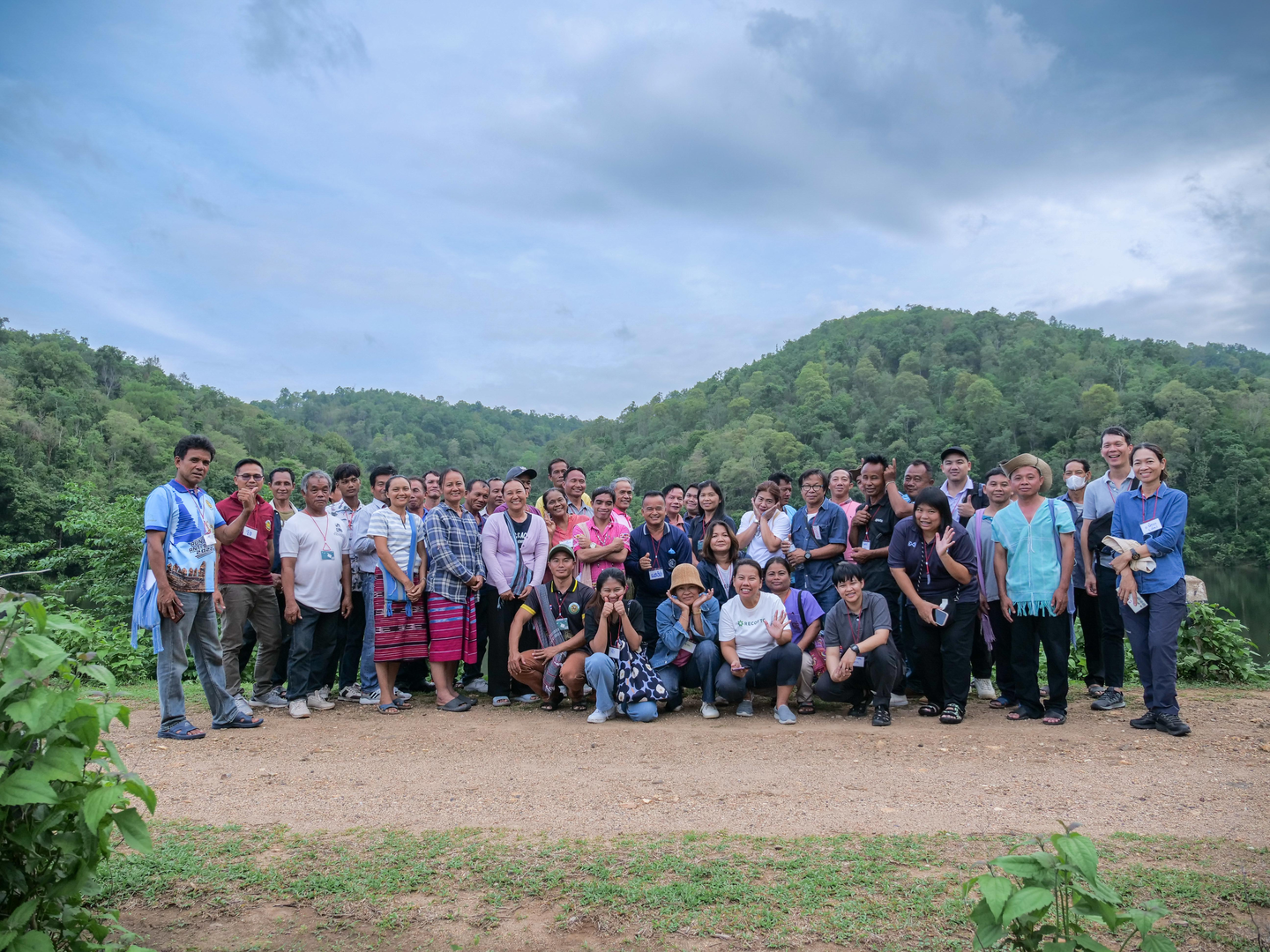
Biodiversity monitoring activities in a Chiang Mai community forest in Thailand

The results reshaped how the communities think about forest management itself. Rather than planning around tree planting for forest recovery alone, they revised their management plans with biodiversity and wildlife habitat in mind, reflecting both the social and ecological dimensions of the forests they steward. The community members are recognized as authors and named in the accompanying biodiversity data forms as collectors and recorders.

Turning evidence into opportunity

These decisions are not merely symbolic. Communities that control their own biodiversity records can use them as evidence of real biodiversity outcomes. They hold the evidence needed to support their own decisions and engage with others.

Community-owned biodiversity data can help demonstrate conservation outcomes, strengthen engagement with government agencies, attract conservation finance and support future applications for recognition as other effective area-based conservation measures (OECMs). OECM status would formally recognize these forests as contributing to Thailand’s commitment under the Kunming-Montreal Global Biodiversity Framework to protect 30 per cent of its land and sea by 2030.

Recognition will take time and continued collaboration with government and partner organizations. But the communities now hold something they did not before: the evidence to demonstrate the biodiversity value of the forests they manage.