RMFN–Asia’s Model Forest Indicator Framework helps track what sustainable forest management looks like on the ground
Since becoming secretariat of the Regional Model Forest Network–Asia (RMFN–Asia) in January 2024, RECOFTC has laid the groundwork for a shared monitoring and learning framework for Asia’s Model Forests.
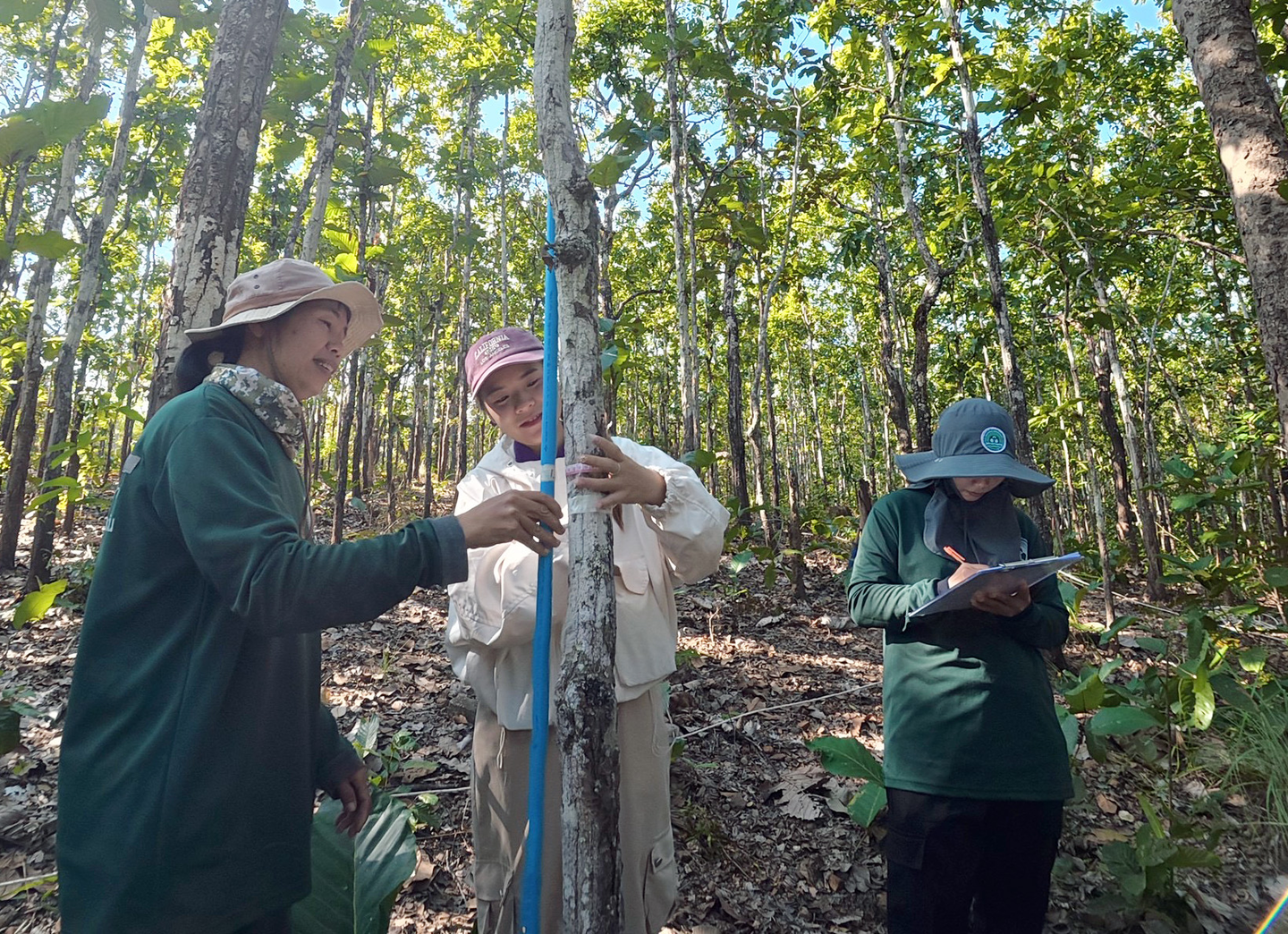
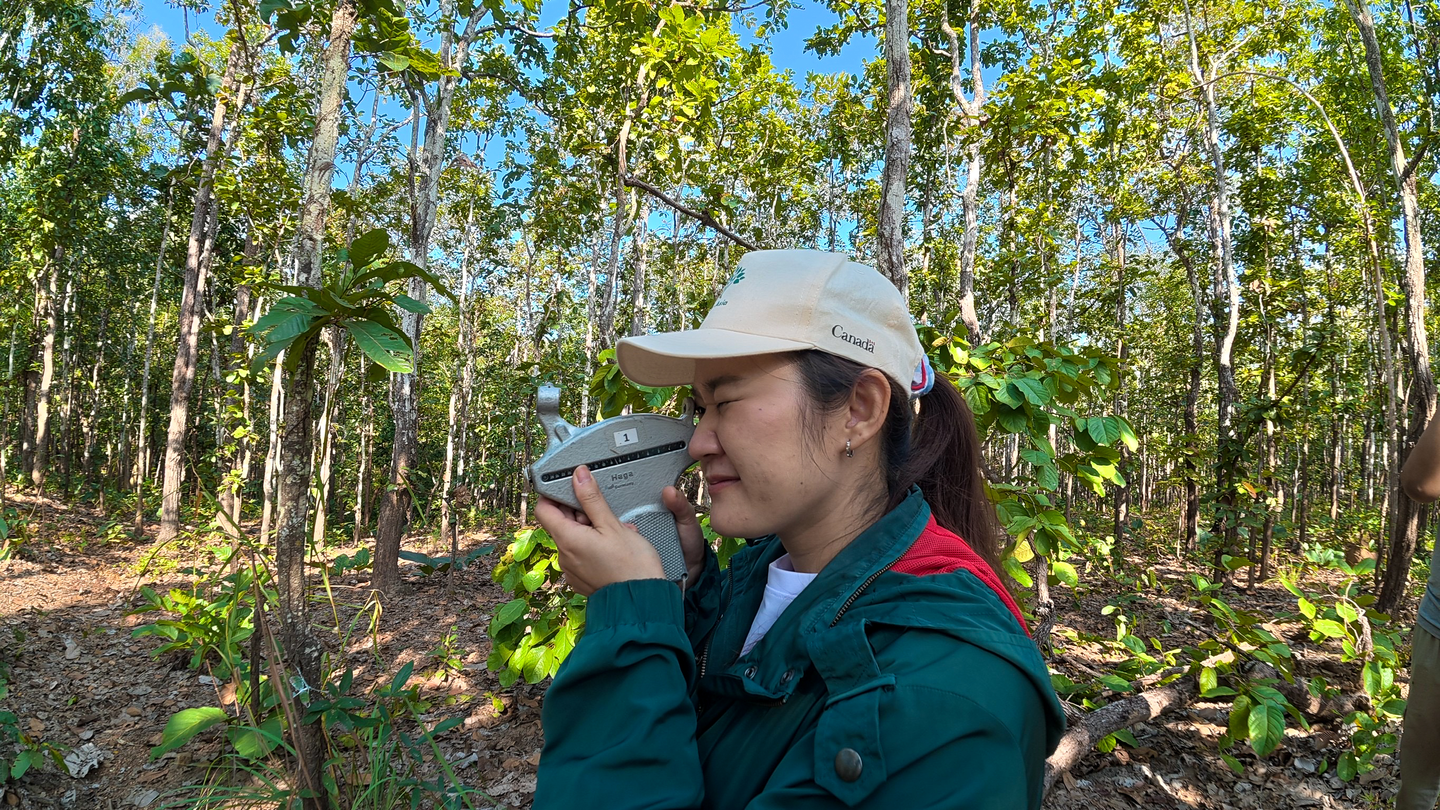
At the centre of this effort is the Model Forest Indicator Framework (MFIF). The MFIF is helping eight Model Forests across six countries – China, India, Indonesia, Japan, the Philippines and Thailand – assess and communicate their progress towards sustainable forest management.
A shared framework for diverse landscapes
Model Forests are diverse landscapes where communities, governments, researchers and the private sector sustainably manage natural resources under a shared strategy. No two Model Forests are the same as each community defines and works towards sustainability on its own terms.
This also means that there is need for a shared framework to track forest management across Model Forests. To that end, we co-developed the MFIF with Model Forest communities around the four interconnected pillars of ecosystem, governance, production and well-being.
Using the MFIF, Model Forests can track changes in forest conditions, better engage stakeholders and strengthen livelihoods and community resilience.