Participatory planning strengthens local forest governance in two communities in Nepal
The quality of forest governance depends not only on the plans communities adopt, but also on who helps shape them. In Nepal, participatory planning processes are helping ensure that local priorities and rights are reflected in the decisions made about forest landscapes.
Building a shared vision in Bheriganga
In Nepal's federal structure, agroforestry sits in an awkward space, with responsibilities spread across both the agriculture and forestry sectors. Municipalities have often been left to navigate these gaps on their own.
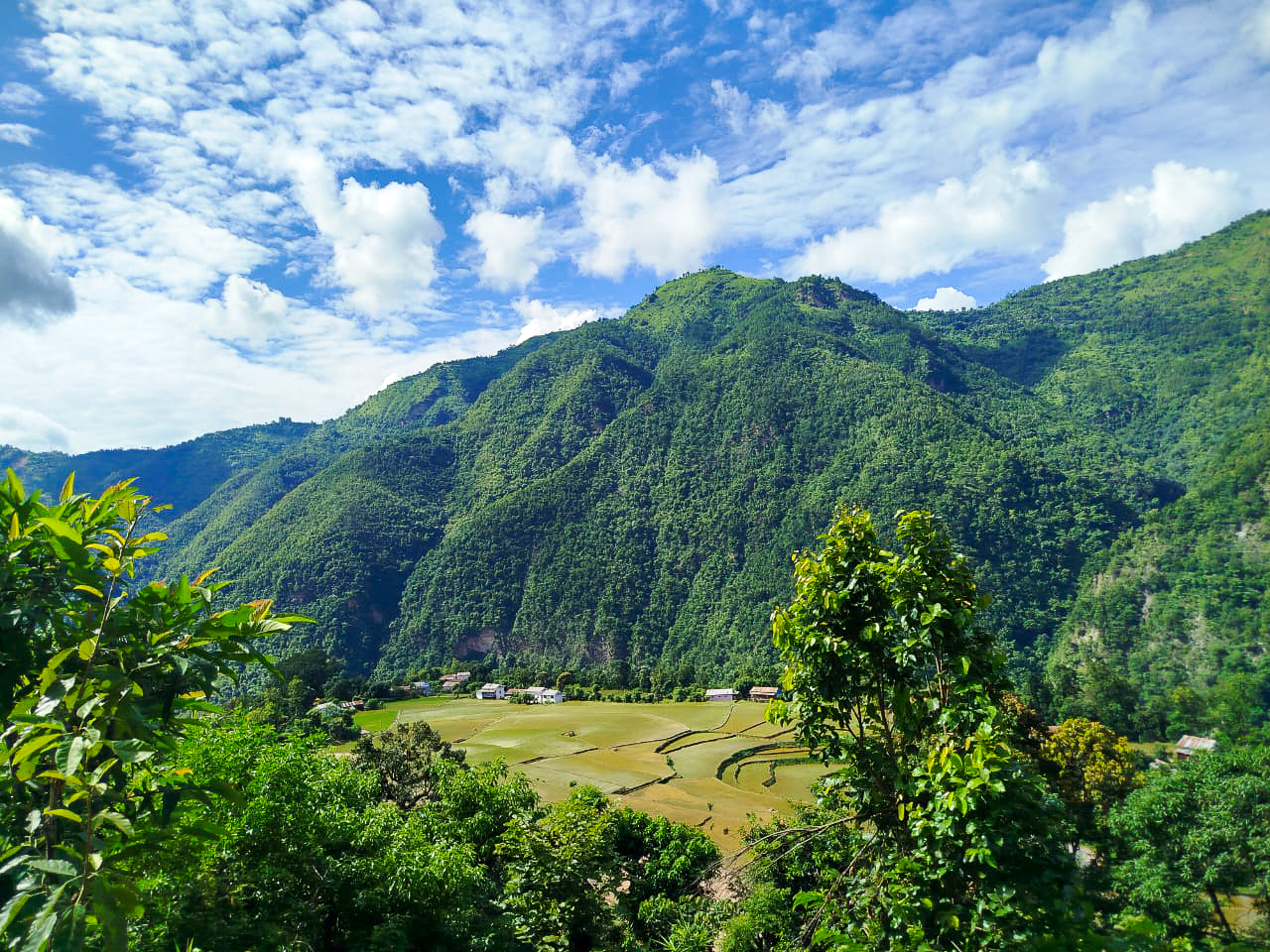
Bheriganga Municipality in Surkhet, far-west Nepal, had been managing its forests and farmland without a formal strategy. With support from RECOFTC Nepal, it set out to change that.
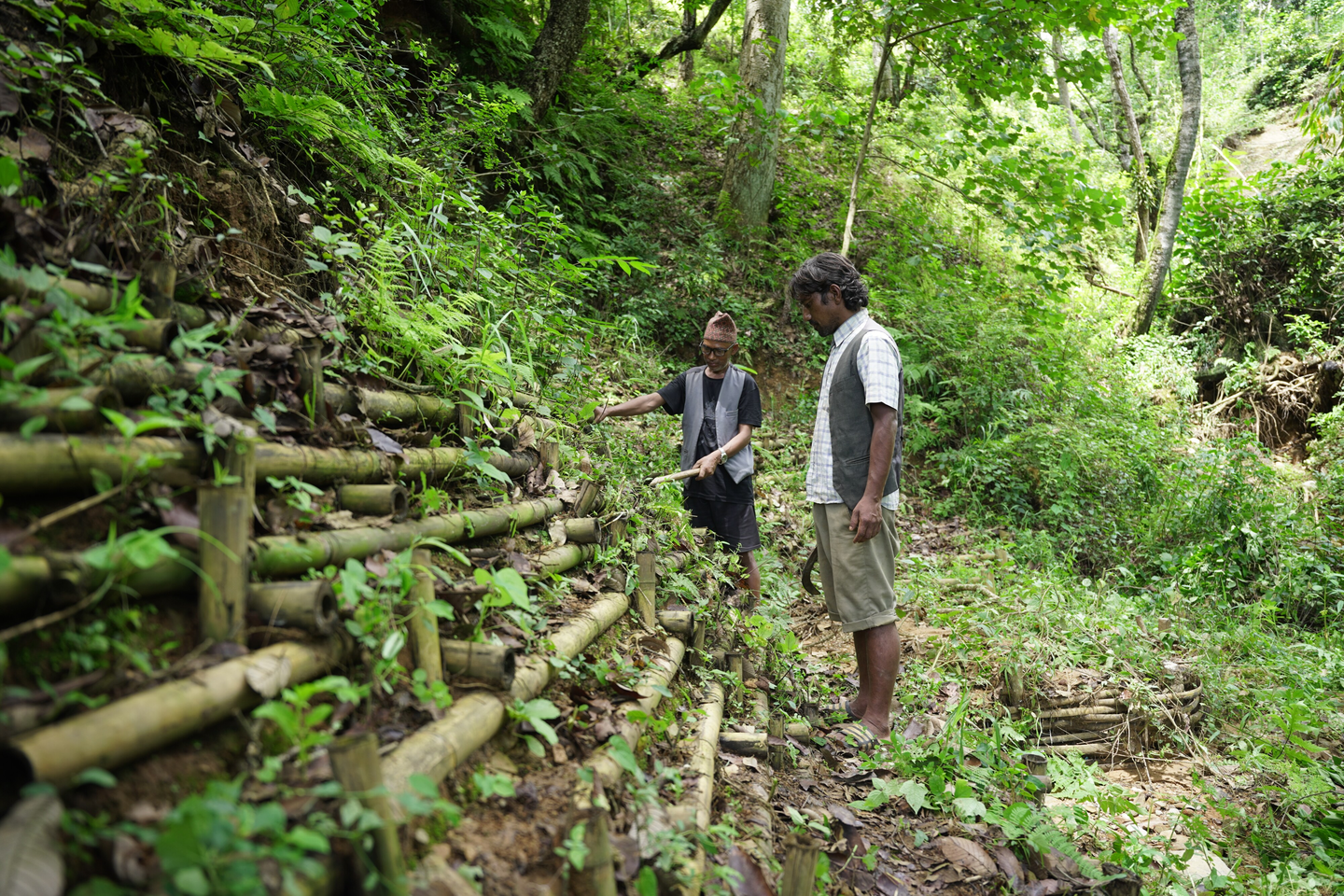
Through our ‘Securing and protecting investments and capacities for environmental sustainability’ (SPICES) programme, we worked with ward representatives, farmers and local government officials over several months in 2024. Together, we sought to understand what agroforestry looks like in practice across the municipality.
We held multiple municipal consultations and field observations. A province-level workshop brought together ministries, research institutions and development partners to discuss the draft against broader policy.
By December 2024, the municipality formally approved a 10-year agroforestry strategy and action plan that links the municipality's natural resource management to its Sustainable Development Goal commitments.
The plan is expected to serve as a reference for other local governments navigating the same unclear boundaries of agroforestry.